
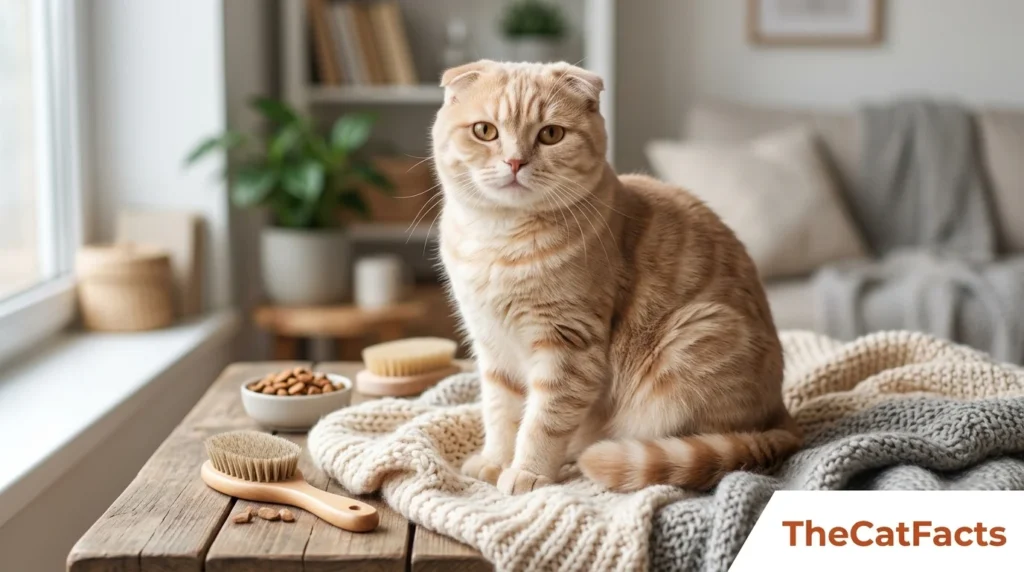
Scottish Fold cats are famous for their adorable folded ears, gentle personalities, and round, expressive faces. While they are affectionate and adaptable companions, they also require specialized care to stay healthy throughout their lives. Their unique genetic traits, particularly those affecting cartilage and joints, make proper daily care more important than it is for many other cat breeds.
Providing excellent Scottish Fold care goes beyond regular feeding and brushing. It includes balanced nutrition, routine grooming, weight management, environmental enrichment, preventive veterinary care, and early recognition of health problems. Owners who understand these needs can help their cats enjoy a happier, healthier, and more comfortable life.
This comprehensive guide explains everything you need to know about Scottish Fold cat care and grooming, from maintaining their coat and ears to supporting joint health and preventing common health issues.
What Is Scottish Fold Cat Care and Grooming?
Scottish Fold cat care involves providing proper nutrition, grooming, exercise, preventive healthcare, and a safe environment while paying special attention to the breed’s unique cartilage and joint health.
Unlike many cat breeds, Scottish Folds have inherited cartilage changes that create their distinctive folded ears. The same genetic mutation can also affect the joints, tail, and limbs. Because of this, owners should focus on preventive care rather than simply treating problems after they appear.
Proper care includes:
- Feeding a complete and balanced diet
- Maintaining a healthy body weight
- Grooming the coat regularly
- Cleaning the ears safely
- Trimming nails routinely
- Brushing teeth
- Monitoring mobility and comfort
- Scheduling regular veterinary checkups
- Providing mental stimulation and daily exercise
A consistent care routine allows owners to notice subtle health changes early, making treatment more effective when problems develop.
Understanding the Scottish Fold Breed
Knowing your cat’s unique physical traits helps you provide better lifelong care.
Scottish Folds originated from a naturally occurring genetic mutation first discovered in Scotland during the 1960s. Today, they are recognized worldwide for their calm temperament and distinctive appearance.
Physical Characteristics
Scottish Fold cats typically have:
- Folded ears that bend forward
- Large, round eyes
- Rounded face
- Medium-sized muscular body
- Thick, plush coat
- Rounded paws
- Medium-length tail
Some Scottish Folds have straight ears instead of folded ears. These cats carry different genetic combinations and are commonly called Scottish Straights.
Coat Types
Scottish Folds come in both short-haired and long-haired varieties.
Short-haired cats have:
- Dense plush coat
- Moderate shedding
- Easy maintenance
Long-haired cats have:
- Silky medium to long coat
- Feathering on legs and tail
- Higher grooming needs
- Greater risk of matting
Personality and Temperament
Scottish Folds are generally known for being:
- Gentle
- Quiet
- Friendly
- Intelligent
- Adaptable
- Family oriented
- Affectionate without being overly demanding
They usually enjoy spending time near their owners and often form strong bonds with family members.
Scottish Fold Care at a Glance
| Care Category | Recommendation |
| Feeding | High-quality complete cat food |
| Water | Fresh water available at all times |
| Grooming | Weekly for short coat, several times weekly for long coat |
| Ear Check | Every week |
| Nail Trim | Every 2 to 4 weeks |
| Teeth Brushing | Daily if possible |
| Exercise | 20 to 30 minutes daily |
| Veterinary Checkup | Every year for healthy adults, more often for seniors or cats with health conditions |
| Weight Monitoring | Monthly |
| Parasite Prevention | As recommended by your veterinarian |
Daily Care Routine for a Scottish Fold
A simple daily routine helps keep your Scottish Fold physically healthy and mentally stimulated while allowing you to detect health changes early.
Daily care should become a habit rather than an occasional task.
Morning Routine
Each morning:
- Provide fresh food.
- Replace drinking water.
- Check your cat’s eyes and ears.
- Observe walking and movement.
- Scoop the litter box.
- Spend a few minutes interacting with your cat.
Watching your cat walk every day helps identify early signs of joint discomfort or stiffness.
Evening Routine
In the evening:
- Offer scheduled meals if feeding multiple times daily.
- Play interactive games.
- Brush the coat if needed.
- Inspect paws.
- Provide affection and mental stimulation.
- Clean food and water bowls.
Consistency reduces stress and supports overall wellbeing.
Nutrition for Healthy Scottish Fold Cats
Proper nutrition supports healthy muscles, joints, skin, coat, and immune function while helping prevent obesity, one of the biggest health risks for Scottish Folds.
Cats are obligate carnivores, meaning they require nutrients found primarily in animal-based proteins.
Essential Nutrients
A balanced diet should contain:
- High-quality animal protein
- Healthy fats
- Taurine
- Vitamins
- Minerals
- Omega 3 fatty acids
- Omega 6 fatty acids
- Adequate moisture
Protein supports muscle maintenance, while omega fatty acids promote healthy skin and a shiny coat.
Choosing the Right Food
Look for foods that:
- List real meat as the first ingredient
- Meet AAFCO nutritional standards
- Provide balanced vitamins and minerals
- Avoid excessive fillers
- Match your cat’s life stage
Life stages include:
- Kitten
- Adult
- Senior
Cats with medical conditions may benefit from prescription diets recommended by a veterinarian.
Foods to Avoid
Never feed:
- Chocolate
- Onions
- Garlic
- Grapes
- Raisins
- Alcohol
- Caffeine
- Xylitol
- Cooked bones
- Raw dough
Some human foods may cause poisoning, digestive upset, or life-threatening complications.
Feeding Schedule
A typical schedule may include:
| Age | Meals Per Day |
| 8 to 12 weeks | 4 |
| 3 to 6 months | 3 |
| 6 to 12 months | 2 to 3 |
| Adult | 2 |
| Senior | 2 or as advised by veterinarian |
Individual feeding amounts vary depending on body weight, activity level, and the calorie content of the food.
Grooming Essentials for Scottish Fold Cats
Regular grooming keeps the coat healthy, reduces shedding, prevents skin problems, and provides an opportunity to check for health issues.
Many Scottish Folds enjoy gentle grooming sessions when introduced gradually.
Essential grooming tools include:
- Soft slicker brush
- Stainless steel comb
- Nail clippers
- Cat toothbrush
- Pet-safe toothpaste
- Cotton pads
- Grooming wipes
- Grooming gloves
- Fine-tooth comb for long-haired cats
Never use harsh cleaning products intended for humans.
Coat Care and Brushing
Routine brushing removes loose hair, distributes natural skin oils, and reduces hairballs while strengthening the bond between you and your cat.
Brushing frequency depends on coat length.
Short-Haired Scottish Folds
Short-haired Scottish Folds usually need brushing:
- One to two times each week
Benefits include:
- Less shedding
- Fewer hairballs
- Cleaner coat
- Improved circulation
Long-Haired Scottish Folds
Long-haired Scottish Folds should be brushed:
- Three to five times weekly
- Daily during seasonal shedding
Pay extra attention to:
- Behind the ears
- Under the front legs
- Belly
- Tail
- Back legs
These areas are more likely to develop mats.
How to Brush Correctly
Follow these steps:
- Let your cat relax.
- Begin with gentle strokes.
- Brush in the direction of hair growth.
- Use a comb to remove tangles.
- Reward your cat after grooming.
Avoid pulling on mats. Severe tangles may require professional grooming.
Ear Care for Scottish Fold Cats
Scottish Fold ears require regular inspection because their folded shape may reduce airflow and make it easier for wax and debris to accumulate.
Healthy ears should be:
- Pale pink
- Clean
- Free of odor
- Free of excessive wax
How Often Should You Check the Ears?
Inspect the ears:
- Once every week
Cats with previous ear infections may need more frequent monitoring under veterinary guidance.
Signs of Healthy Ears
Healthy ears show:
- Minimal wax
- No swelling
- No redness
- No discharge
- No unpleasant smell
Signs of Ear Problems
Contact your veterinarian if you notice:
- Dark discharge
- Thick wax buildup
- Bad odor
- Head shaking
- Frequent scratching
- Pain when touched
- Bleeding
- Swelling
These symptoms may indicate ear mites, bacterial infections, yeast infections, or inflammation.
Safe Ear Cleaning Steps
Only clean the visible part of the ear.
- Use a veterinarian-approved ear cleaner.
- Place a few drops into the ear canal if directed.
- Gently massage the base of the ear.
- Wipe away loosened debris with a cotton pad.
- Reward your cat afterward.
Never insert cotton swabs deep into the ear canal, as this can cause injury.
Eye Care
Healthy Scottish Fold eyes should remain bright, clear, and free from excessive discharge. Daily observation helps detect infections, injuries, and other eye problems early.
Most healthy cats require very little eye care beyond routine monitoring.
Normal Eye Appearance
Healthy eyes should have:
- Clear corneas
- Bright appearance
- Minimal tear staining
- Equal pupil size
- No swelling around the eyelids
A small amount of dried discharge after sleeping is usually normal and can often be wiped away gently with a soft, damp cotton pad.
Signs of Eye Problems
Arrange a veterinary examination if you notice:
- Persistent watery eyes
- Thick yellow or green discharge
- Redness
- Squinting
- Cloudiness
- Swelling around the eye
- Frequent pawing at the face
- Sensitivity to light
Eye conditions can worsen quickly, so prompt treatment helps protect your cat’s vision.
Cleaning Around the Eyes
If your cat develops minor tear staining:
- Use a clean cotton pad dampened with warm water.
- Wipe gently from the inner corner outward.
- Use a fresh pad for each eye.
- Dry the area gently if needed.
Avoid using soaps, alcohol, hydrogen peroxide, or human eye drops unless specifically prescribed by your veterinarian.
Nail Care
Regular nail trimming prevents painful overgrowth, protects your furniture, and reduces the risk of broken nails or injuries.
Indoor Scottish Fold cats naturally wear down their nails less than outdoor cats. Most need routine trimming every few weeks.
How Often Should You Trim Nails?
A general schedule is:
| Cat’s Age | Trimming Frequency |
| Kittens | Every 2 to 3 weeks |
| Adults | Every 3 to 4 weeks |
| Seniors | Every 2 to 3 weeks |
Some cats may need more frequent trims depending on their activity level.
How to Trim Nails Safely
Follow these simple steps:
- Choose a quiet, well-lit room.
- Gently hold one paw.
- Press the paw pad to extend the claw.
- Identify the pink quick inside the nail.
- Trim only the sharp transparent tip.
- Reward your cat with praise or a favorite treat.
If you accidentally cut the quick, use styptic powder to stop minor bleeding and contact your veterinarian if bleeding continues.
Signs Nails Need Trimming
Look for:
- Nails catching on fabric
- Clicking sounds while walking
- Curved nails
- Difficulty retracting claws
- Scratching themselves accidentally
Providing scratching posts also helps maintain healthy claws between trims.
Dental Care
Daily dental care reduces plaque, prevents gum disease, and supports your Scottish Fold’s overall health.
Dental disease is one of the most common health problems in adult cats. Poor oral health may lead to pain, tooth loss, difficulty eating, and bacteria entering the bloodstream.
Signs of Healthy Teeth
Healthy mouths have:
- White teeth
- Pink gums
- Fresh breath
- No excessive drooling
- No swelling
Signs of Dental Disease
Schedule a veterinary examination if you notice:
- Bad breath
- Red gums
- Yellow or brown tartar
- Loose teeth
- Bleeding gums
- Drooling
- Difficulty chewing
- Pawing at the mouth
Brushing Your Cat’s Teeth
Daily brushing is ideal.
Steps include:
- Introduce toothpaste gradually.
- Use only cat-safe toothpaste.
- Use a soft feline toothbrush.
- Brush gently along the gum line.
- Keep sessions short and positive.
Never use human toothpaste because it contains ingredients that are unsafe for cats.
Additional Dental Care
Your veterinarian may recommend:
- Dental treats
- Dental diets
- Water additives
- Professional dental cleanings under anesthesia
Bathing Scottish Fold Cats
Most Scottish Fold cats rarely need baths because they groom themselves effectively, but occasional bathing can help remove dirt, allergens, or excess oil.
Healthy indoor cats may only require a bath every few months or when medically necessary.
When Does a Scottish Fold Need a Bath?
Bathing may help if your cat:
- Has rolled in something sticky
- Has excessive oil buildup
- Has allergies requiring medicated shampoo
- Has skin disease
- Cannot groom effectively due to age or arthritis
Bathing Steps
Prepare everything before bringing your cat into the bathing area.
You’ll need:
- Cat shampoo
- Towels
- Non-slip mat
- Cup or sprayer
- Brush
Then:
- Brush the coat first.
- Wet the coat with lukewarm water.
- Apply cat shampoo.
- Massage gently.
- Rinse thoroughly.
- Dry using a soft towel.
- Keep your cat warm until completely dry.
Avoid getting water inside the ears.
Bathing Mistakes to Avoid
Do not:
- Use hot water.
- Use human shampoo.
- Bathe too frequently.
- Leave shampoo residue.
- Force a frightened cat into the bath.
Managing Shedding
Regular grooming and proper nutrition reduce shedding and help keep your home cleaner.
Although Scottish Folds are moderate shedders, seasonal shedding usually increases during spring and autumn.
Ways to Reduce Shedding
Helpful strategies include:
- Brush consistently.
- Feed a balanced diet.
- Ensure proper hydration.
- Control parasites.
- Reduce stress.
- Schedule regular veterinary exams.
Nutrition and Coat Health
Healthy skin begins with proper nutrition.
Important nutrients include:
| Nutrient | Benefit |
| Protein | Supports healthy hair growth |
| Omega 3 fatty acids | Improves skin health |
| Omega 6 fatty acids | Promotes coat shine |
| Zinc | Supports skin repair |
| Vitamin A | Maintains healthy skin |
| Vitamin E | Antioxidant support |
Poor nutrition often results in dull coats and excessive shedding.
Skin Care
Healthy skin is the foundation of a healthy coat. Regular observation helps detect skin problems before they become serious.
During grooming, inspect your cat’s skin carefully.
Healthy skin should be:
- Smooth
- Clean
- Free of flakes
- Free of sores
- Free of parasites
Watch for Skin Problems
Contact your veterinarian if you notice:
- Hair loss
- Scabs
- Red patches
- Excessive scratching
- Fleas
- Ticks
- Lumps
- Thickened skin
- Persistent dandruff
Many skin problems improve significantly when diagnosed early.
Exercise and Mental Enrichment
Daily activity helps Scottish Fold cats maintain a healthy weight, strengthen muscles, and reduce boredom.
Although Scottish Folds are calm cats, they still require regular physical and mental stimulation.
Daily Exercise Goals
Aim for:
- 20 to 30 minutes of interactive play
- Several short sessions each day
- Opportunities for climbing and exploring
Short play sessions are often more enjoyable than one long session.
Favorite Toys
Many Scottish Folds enjoy:
- Feather wands
- Puzzle feeders
- Interactive balls
- Cat tunnels
- Toy mice
- Wand toys
- Crinkle toys
Rotate toys weekly to keep them interesting.
Indoor Activities
Indoor enrichment can include:
- Window perches
- Cat trees
- Puzzle toys
- Food puzzles
- Cardboard boxes
- Paper bags (without handles)
- Hide-and-seek games
Mental stimulation reduces destructive behaviors and encourages natural hunting instincts.
Creating a Safe Home Environment
A safe indoor environment protects Scottish Fold cats from preventable injuries, toxins, and infectious diseases.
Indoor cats generally live longer than outdoor cats because they face fewer environmental hazards.
Home Safety Checklist
Remove access to:
- Toxic houseplants
- Human medications
- Cleaning chemicals
- Electrical cords
- Open windows without secure screens
- Small objects that can be swallowed
- String and ribbon
- Sewing needles
- Plastic bags
Comfortable Resting Areas
Scottish Folds appreciate soft, supportive sleeping areas.
Provide:
- Orthopedic beds for older cats
- Quiet resting spaces
- Warm blankets
- Elevated sleeping shelves if mobility allows
Cats with arthritis often prefer beds with low sides that are easy to enter.
Seasonal Care Tips
Changing seasons affect your Scottish Fold’s grooming, hydration, and comfort needs throughout the year.
Spring
During spring:
- Brush more frequently.
- Expect increased shedding.
- Watch for seasonal allergies.
- Maintain flea prevention.
Summer
Hot weather requires:
- Fresh water at all times.
- Cool resting areas.
- Avoiding overheating.
- Regular grooming to remove loose fur.
Never shave a healthy Scottish Fold unless specifically advised by a veterinarian, as the coat helps regulate body temperature.
Autumn
Autumn is a good time to:
- Review parasite prevention.
- Schedule wellness exams.
- Check body weight.
- Replace worn scratching posts.
Winter
Cold weather care includes:
- Warm sleeping areas.
- Maintaining hydration.
- Monitoring senior cats for increased joint stiffness.
- Encouraging gentle daily activity.
Recommended Grooming Schedule
| Grooming Task | Frequency |
| Brush short coat | 1 to 2 times weekly |
| Brush long coat | 3 to 5 times weekly |
| Ear inspection | Weekly |
| Eye check | Daily |
| Nail trimming | Every 2 to 4 weeks |
| Tooth brushing | Daily |
| Bathing | Every few months if needed |
| Skin inspection | Weekly |
| Weight check | Monthly |
Daily, Weekly, and Monthly Care Checklist
| Schedule | Care Tasks |
| Daily | Feed balanced meals, provide fresh water, clean litter box, observe movement, play, check eyes |
| Weekly | Brush coat, inspect ears, examine skin, clean bedding, inspect paws |
| Monthly | Trim nails, weigh your cat, check body condition, inspect scratching posts and toys |
| Every 6 to 12 Months | Veterinary wellness examination, vaccinations as recommended, parasite prevention review |
Practical Grooming Tips for New Owners
- Start grooming sessions while your cat is young.
- Keep sessions short and positive.
- Reward calm behavior with treats or praise.
- Use high-quality grooming tools designed for cats.
- Never force grooming if your cat becomes frightened.
- Check your cat’s entire body during each grooming session for lumps, parasites, or skin changes.
- Make grooming part of your regular routine so it becomes familiar and less stressful.
Common Health Problems in Scottish Fold Cats
Scottish Fold cats are generally loving companions, but they have a higher risk of certain inherited and age-related health conditions. Early detection and regular veterinary care can greatly improve their quality of life.
Routine wellness exams allow veterinarians to identify health concerns before they become severe.
Osteochondrodysplasia
Osteochondrodysplasia is the most significant inherited condition affecting Scottish Fold cats. It alters the development of cartilage and bone, leading to joint pain, stiffness, and mobility problems.
The same genetic mutation responsible for folded ears also affects cartilage throughout the body. Every folded-ear Scottish Fold carries this mutation to some degree.
Signs of Osteochondrodysplasia
Watch for:
- Stiff walking
- Limping
- Reluctance to jump
- Thick or inflexible tail
- Swollen joints
- Pain when moving
- Difficulty climbing stairs
- Reduced activity
- Unusual sitting posture
Symptoms may appear in kittens or develop gradually over several years.
How Veterinarians Diagnose It
Diagnosis may involve:
- Physical examination
- Medical history
- X-rays
- Joint assessment
- Evaluation of mobility
Early diagnosis allows for better long-term pain management.
Treatment Options
Although there is no cure, treatment focuses on improving comfort.
Treatment may include:
- Pain-relieving medications
- Anti-inflammatory medications
- Weight management
- Joint supplements (when recommended)
- Controlled exercise
- Physical rehabilitation
- Environmental modifications
Never give human pain medications to cats.
Arthritis
Many adult and senior Scottish Fold cats develop arthritis due to their inherited cartilage abnormalities.
Arthritis causes inflammation within joints, making movement uncomfortable.
Early Signs
Look for:
- Sleeping more than usual
- Hesitating before jumping
- Difficulty climbing
- Reduced grooming
- Irritability
- Walking slowly
- Stiffness after resting
Cats often hide pain, making subtle behavior changes important.
Helping a Cat with Arthritis
Simple home adjustments can make a big difference.
Provide:
- Soft orthopedic bedding
- Low-entry litter boxes
- Easy access to favorite resting places
- Food and water bowls on each floor
- Gentle daily play
- Healthy weight maintenance
Ear Problems
Although folded ears do not automatically cause disease, they require regular monitoring because reduced airflow may allow wax and debris to accumulate more easily.
Possible ear conditions include:
- Ear mites
- Yeast infections
- Bacterial infections
- Wax buildup
- Ear inflammation
Prompt treatment usually prevents more serious complications.
Obesity
Obesity is one of the most preventable health problems in Scottish Fold cats. Excess body weight places additional stress on joints already vulnerable to disease.
Risk Factors
Obesity becomes more likely when cats:
- Eat excessive calories
- Receive too many treats
- Exercise very little
- Live exclusively indoors
- Are neutered or spayed
- Become older
Preventing Weight Gain
Healthy habits include:
- Measuring meals
- Avoiding free feeding when possible
- Using puzzle feeders
- Encouraging daily play
- Monitoring body condition monthly
Ask your veterinarian about your cat’s ideal weight.
Heart Disease
Some Scottish Fold cats may develop heart conditions, including hypertrophic cardiomyopathy (HCM).
Possible Signs
Contact your veterinarian if your cat develops:
- Rapid breathing
- Labored breathing
- Weakness
- Fainting
- Reduced appetite
- Sudden collapse
Early diagnosis may improve long-term management.
Urinary Tract Problems
Cats of any breed can develop urinary issues.
Signs include:
- Frequent litter box visits
- Straining to urinate
- Blood in urine
- Urinating outside the litter box
- Crying during urination
Male cats with urinary blockage require immediate emergency treatment.
Routine Veterinary Care
Regular veterinary visits are one of the most important parts of responsible Scottish Fold ownership. Preventive care helps identify health issues before they become serious.
Wellness Exam Schedule
| Life Stage | Recommended Veterinary Visits |
| Kitten | Every 3 to 4 weeks until vaccination series is complete |
| Healthy Adult | Once yearly |
| Senior (10+ years) | Every 6 months |
| Cats with chronic disease | As recommended by the veterinarian |
Preventive Care
Routine care may include:
- Physical examinations
- Vaccinations
- Parasite prevention
- Dental evaluations
- Weight monitoring
- Blood testing for senior cats
- Urinalysis when appropriate
Caring for Scottish Fold Kittens
Scottish Fold kittens require proper nutrition, gentle socialization, and regular veterinary care during their first year of life.
Kitten Care Checklist
- Feed a kitten-specific diet.
- Schedule vaccinations.
- Deworm as recommended.
- Introduce gentle grooming.
- Encourage interactive play.
- Provide scratching posts.
- Begin tooth brushing early.
- Socialize with people and household activities.
Young kittens should not be forced to jump from high furniture while their bones are developing.
Caring for Senior Scottish Fold Cats
Older Scottish Folds often need additional support because age-related arthritis and reduced mobility become more common.
Senior Care Tips
Provide:
- Soft orthopedic beds
- Low-sided litter boxes
- Easy access to food and water
- More frequent veterinary visits
- Weight monitoring
- Gentle exercise
- Regular grooming assistance
Older cats may groom themselves less effectively, making brushing even more important.
Common Mistakes Owners Should Avoid
Avoid these common errors:
- Ignoring subtle signs of joint pain
- Allowing excessive weight gain
- Skipping routine dental care
- Cleaning ears with cotton swabs
- Feeding too many treats
- Missing annual veterinary examinations
- Waiting too long to investigate limping
- Using human medications
- Neglecting regular grooming
- Purchasing Scottish Fold kittens from irresponsible breeders
Responsible breeding practices help reduce inherited health problems.
Emergency Warning Signs
Seek immediate veterinary care if your Scottish Fold experiences any of the following symptoms.
| Emergency Sign | Why It Is Serious |
| Difficulty breathing | May indicate heart or lung disease |
| Collapse | Medical emergency |
| Unable to urinate | Life-threatening urinary blockage |
| Severe trauma | Internal injuries possible |
| Continuous vomiting | Risk of dehydration |
| Seizures | Requires immediate evaluation |
| Sudden paralysis | Emergency neurological condition |
| Severe pain | Immediate veterinary assessment needed |
| Major bleeding | Emergency treatment required |
Do not delay treatment if your cat appears severely ill or injured.
Scottish Fold Care Checklist
Use this checklist to stay organized.
Daily
- Feed balanced meals.
- Provide fresh water.
- Scoop litter boxes.
- Observe movement.
- Spend time playing.
- Check appetite.
Weekly
- Brush the coat.
- Inspect ears.
- Examine skin.
- Check eyes.
- Wash food bowls thoroughly.
- Clean bedding if needed.
Monthly
- Trim nails.
- Weigh your cat.
- Inspect toys.
- Replace damaged scratching surfaces.
- Review parasite prevention schedule.
Every Year
- Wellness examination
- Vaccinations as recommended
- Dental evaluation
- Overall health assessment
Expert Tips for Healthy Scottish Fold Cats
- Maintain a lean body condition throughout life.
- Encourage daily interactive play.
- Begin grooming while your cat is young.
- Watch for subtle changes in walking or jumping.
- Feed a nutritionally complete diet.
- Schedule routine wellness visits even when your cat appears healthy.
- Keep your cat indoors or provide a secure outdoor enclosure.
- Record your cat’s weight every month.
- Groom gently to strengthen trust and identify health changes early.
Myths vs Facts
| Myth | Fact |
| Folded ears require no care. | Weekly ear checks help prevent problems. |
| Scottish Folds are lazy by nature. | They enjoy interactive play and mental stimulation. |
| A heavy cat is a healthy cat. | Excess weight increases stress on vulnerable joints. |
| Cats never need dental care. | Dental disease is common and often preventable. |
| Limping is normal with age. | Limping should always be evaluated by a veterinarian. |
Quick Summary
- Scottish Fold cats need regular grooming and preventive healthcare.
- Weight management is essential for protecting joint health.
- Weekly ear checks help detect infections early.
- Daily dental care supports overall health.
- Routine brushing reduces shedding and hairballs.
- Regular exercise keeps muscles strong and prevents obesity.
- Annual veterinary visits are essential, with more frequent visits for seniors.
- Early recognition of joint disease improves long-term comfort.
Conclusion
Scottish Fold cats are affectionate, intelligent, and charming companions that thrive when their unique needs are understood. Their distinctive folded ears may make them instantly recognizable, but responsible ownership involves much more than appreciating their appearance.
A balanced diet, regular grooming, daily exercise, weight control, routine veterinary care, and close attention to mobility all contribute to a healthier and happier life. Because this breed has a genetic predisposition to cartilage and joint disorders, owners should watch for early signs of discomfort and seek veterinary advice whenever concerns arise.
With patience, preventive care, and a consistent daily routine, your Scottish Fold can enjoy many years of comfort, companionship, and excellent quality of life.
FAQs
How often should I groom a Scottish Fold cat?
Most short-haired Scottish Fold cats need brushing once or twice a week. Long-haired Scottish Folds usually require brushing three to five times a week to prevent tangles and reduce shedding. Regular grooming also helps you detect skin problems, parasites, or lumps early.
Do Scottish Fold cats need special care?
Yes. Scottish Fold cats benefit from specialized care because the gene responsible for their folded ears can also affect cartilage and joints. Maintaining a healthy weight, providing regular veterinary care, monitoring mobility, and following a consistent grooming routine are especially important.
How often should I clean my Scottish Fold’s ears?
Inspect your cat’s ears once a week. Clean them only if your veterinarian recommends it or if you notice wax buildup. Use a veterinarian-approved ear cleaner and never insert cotton swabs into the ear canal.
Are Scottish Fold cats prone to arthritis?
Yes. Scottish Fold cats have an increased risk of arthritis and osteochondrodysplasia because of their inherited cartilage mutation. Early diagnosis, weight management, and veterinary treatment can help improve comfort and mobility.
What is the best diet for a Scottish Fold cat?
A complete and balanced commercial cat food rich in high-quality animal protein is generally the best choice. Your veterinarian may recommend a specific diet based on your cat’s age, activity level, or medical conditions.
How can I reduce shedding in my Scottish Fold?
Regular brushing, proper hydration, high-quality nutrition, and parasite prevention all help reduce shedding. Seasonal increases in shedding are normal, especially during spring and autumn.
Should Scottish Fold cats stay indoors?
Yes. Keeping Scottish Fold cats indoors or providing access to a secure outdoor enclosure helps protect them from traffic, predators, infectious diseases, and other hazards while supporting a longer, healthier life.
How long do Scottish Fold cats live?
With proper care, many Scottish Fold cats live between 11 and 15 years, although some may live even longer. Genetics, nutrition, preventive healthcare, and maintaining a healthy weight all influence lifespan.
When should I take my Scottish Fold to the veterinarian immediately?
Seek immediate veterinary care if your cat has difficulty breathing, cannot urinate, collapses, experiences severe trauma, has continuous vomiting, sudden paralysis, seizures, or shows signs of severe pain.
Are Scottish Fold cats good pets for first-time owners?
Yes. Scottish Fold cats are generally gentle, affectionate, and adaptable, making them suitable for many first-time owners. However, prospective owners should understand the breed’s increased risk of inherited joint disease and be prepared for lifelong preventive care.

Jack Turner is a Pet Care Content Writer with more than 9 years of experience creating informative, engaging, and research based content focused on companion animal care, pet health, behavior, nutrition, grooming, and responsible ownership. He specializes in transforming expert pet care information into simple and practical resources that help pet owners make better decisions for their animals.