
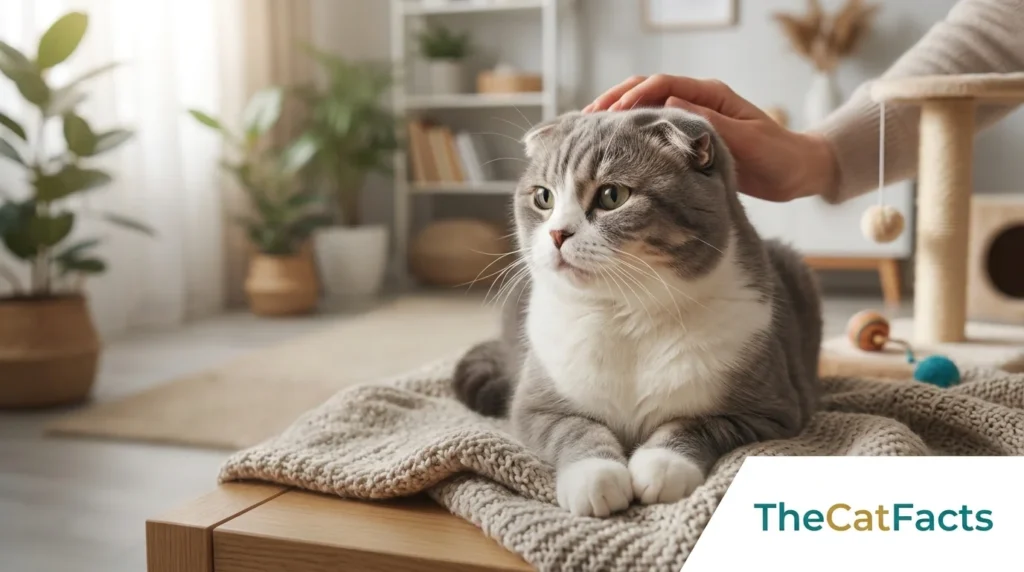
Scottish Fold cats are loved for their adorable folded ears, round faces, and gentle personalities. While they make affectionate companions, they also require special care because their unique appearance is linked to a genetic condition that can affect their joints and bones. Understanding their health needs, nutrition, grooming, and daily care is essential for giving them a long, comfortable life.
Whether you’re bringing home your first Scottish Fold kitten or adopting an adult cat, this guide covers everything beginners need to know. You’ll learn how to create a safe home, feed your cat properly, recognize health problems early, and provide the best possible care with advice based on veterinary recommendations.
What Is a Scottish Fold Cat?
A Scottish Fold is a domestic cat breed known for ears that fold forward and downward due to a natural genetic mutation. These cats are affectionate, intelligent, and adaptable, making them popular family pets. However, the same gene responsible for their folded ears is also associated with a bone and cartilage disorder called osteochondrodysplasia.
Unlike many other breeds, not every Scottish Fold has folded ears. Some kittens are born with straight ears, commonly called Scottish Straights, because only kittens that inherit the Fold gene develop folded ears.
Origin of the Breed
The Scottish Fold breed began in Scotland in 1961 when a white barn cat named Susie was discovered with naturally folded ears. Breeders carefully developed the breed while introducing other healthy domestic cats and British Shorthairs to maintain genetic diversity.
Today, Scottish Folds are recognized by many cat associations, although some organizations have concerns about breeding practices because of inherited skeletal disorders.
Physical Characteristics
Scottish Folds have several distinctive features:
| Feature | Description |
| Weight | 6 to 13 pounds |
| Height | 8 to 10 inches |
| Lifespan | 11 to 15 years (sometimes longer with excellent care) |
| Coat | Short or long |
| Eye Shape | Large and round |
| Body | Medium-sized, muscular, rounded |
| Personality | Gentle, affectionate, playful |
Folded Ears Develop After Birth
An interesting fact is that Scottish Fold kittens are born with straight ears. Their ears usually begin folding between 3 and 4 weeks of age if they carry the Fold gene.
Some kittens never develop folded ears, even when born in the same litter.
Is a Scottish Fold the Right Cat for Beginners?
Yes, Scottish Fold cats are generally beginner friendly because they are calm, affectionate, and adaptable. However, new owners must be prepared for possible lifelong health monitoring and veterinary expenses.
They thrive in homes where owners can provide daily interaction, quality nutrition, and regular veterinary care.
Ideal Home Environment
Scottish Folds do well in:
- Quiet households
- Families with respectful children
- Apartments
- Houses with indoor living
- Homes with other friendly pets
They dislike being left alone for long periods and enjoy companionship.
Pros of Owning a Scottish Fold
- Friendly and affectionate
- Gentle temperament
- Adapt well to apartment living
- Usually quiet cats
- Good with children
- Get along with other pets
- Moderate grooming needs
- Highly adaptable
Challenges Beginners Should Know
Owning a Scottish Fold also comes with responsibilities.
Common challenges include:
- Increased risk of joint disease
- Routine veterinary checkups
- Weight management
- Need for regular exercise
- Ear cleaning
- Potential arthritis later in life
- Higher healthcare costs
Understanding these challenges before adoption helps you make an informed decision.
Scottish Fold Personality and Temperament
Scottish Folds are known for their sweet, calm personalities. They enjoy spending time with people and often follow their owners from room to room.
Although affectionate, they are not usually overly demanding.
Family Friendly Nature
Most Scottish Folds enjoy living with families.
They often:
- Cuddle beside their owners
- Sleep near people
- Enjoy gentle petting
- Adapt well to routines
- Welcome quiet attention
Intelligence
Scottish Folds are curious and intelligent.
They enjoy:
- Puzzle feeders
- Interactive toys
- Treat puzzles
- Clicker training
- Learning simple tricks
Mental stimulation helps prevent boredom.
Activity Level
Their activity level is moderate.
Unlike highly energetic breeds, Scottish Folds enjoy bursts of play followed by long naps.
Aim for:
- Two to three interactive play sessions daily
- Climbing opportunities
- Window perches
- Safe toys
- Food puzzles
Preparing Your Home Before Bringing Your Scottish Fold Home
Preparing your home reduces stress and helps your new cat adjust more quickly.
Essential Supplies Checklist
Before your cat arrives, gather the following:
- Quality cat food
- Food and water bowls
- Litter box
- Unscented litter
- Scratching post
- Cat tree
- Soft bed
- Nail clippers
- Grooming brush
- Interactive toys
- Carrier
- Identification tag
- Enzymatic cleaner for accidents
Safe Room Setup
Many veterinarians recommend introducing a new cat to one quiet room first.
Include:
- Food
- Water
- Litter box
- Hiding spots
- Toys
- Comfortable bedding
Gradually allow access to the rest of the home over several days.
Cat-Proofing Your Home
Remove or secure:
- Electrical cords
- Toxic houseplants
- Small swallowable objects
- Open windows without screens
- Human medications
- Cleaning chemicals
- String and ribbon
- Plastic bags
Indoor cats live longer because they avoid traffic, predators, infectious diseases, and other outdoor hazards.
Daily Scottish Fold Cat Care Routine
A consistent daily routine helps Scottish Folds feel secure while supporting their physical and emotional health.
Morning Routine
A typical morning includes:
- Fresh water.
- Healthy breakfast.
- Litter box cleaning.
- Brief play session.
- Health check while petting.
Observe your cat’s movement each morning. Stiffness, limping, or reluctance to jump may indicate joint discomfort.
Afternoon Care
During the day:
- Provide enrichment toys.
- Leave scratching posts available.
- Offer window views.
- Refresh water.
- Maintain a comfortable room temperature.
Evening Routine
End the day with:
- Dinner.
- Interactive play.
- Grooming if needed.
- Quiet bonding time.
- Litter box check.
Cats thrive on predictable schedules.
Feeding a Scottish Fold
Scottish Folds require a balanced, complete diet that supports muscle maintenance, joint health, and a healthy body weight. Preventing obesity is especially important because extra weight places additional stress on their joints.
Nutritional Requirements
Look for foods containing:
- High-quality animal protein
- Moderate healthy fats
- Taurine
- Omega 3 fatty acids
- Vitamins and minerals
- Controlled calories
Avoid feeding excessive treats or table scraps.
Feeding by Life Stage
| Life Stage | Feeding Frequency |
| Kitten | 3 to 4 meals daily |
| Adult | 2 meals daily |
| Senior | 2 to 3 smaller meals daily |
Follow feeding guidelines on the food label and adjust based on your veterinarian’s advice and your cat’s body condition.
Wet Food vs Dry Food
Both wet and dry food can be part of a healthy diet.
| Wet Food | Dry Food |
| Higher moisture | Convenient storage |
| Supports hydration | Crunchy texture |
| Often lower calories | Easy portioning |
| Good for urinary health | Longer shelf life |
Many veterinarians recommend combining both for balanced nutrition.
Healthy Treats
Offer treats in moderation.
Suitable options include:
- Freeze-dried chicken
- Cooked turkey
- Commercial cat treats
- Small pieces of cooked salmon
Treats should make up no more than 10 percent of daily calorie intake.
Fresh Water and Hydration
Proper hydration supports kidney function, urinary health, digestion, and overall well-being.
Encourage drinking by:
- Providing multiple water bowls
- Using a cat water fountain
- Cleaning bowls daily
- Offering wet food regularly
Signs of dehydration include:
- Dry gums
- Lethargy
- Reduced appetite
- Sunken eyes
- Skin that loses elasticity
If you suspect dehydration, contact your veterinarian promptly.
Grooming a Scottish Fold
Scottish Folds have moderate grooming needs, but regular grooming keeps their coat healthy and allows you to check for skin problems, lumps, or signs of pain.
Brushing Schedule
| Coat Type | Recommended Brushing |
| Short-haired | Once or twice weekly |
| Long-haired | Three to four times weekly |
Regular brushing helps:
- Reduce shedding
- Prevent mats
- Remove loose hair
- Minimize hairballs
- Improve skin circulation
Bathing
Scottish Folds rarely need baths unless they become unusually dirty or your veterinarian recommends one.
When bathing:
- Use cat-specific shampoo.
- Rinse thoroughly.
- Dry completely.
- Keep the room warm afterward.
Avoid frequent bathing because it can dry out the skin.
Nail Trimming
Trim nails every 2 to 4 weeks.
Signs nails need trimming include:
- Clicking on hard floors
- Getting caught on fabric
- Sharp tips during play
Always trim only the clear tip of the nail to avoid cutting the quick.
Dental Care
Dental disease is one of the most common health issues in cats.
Support oral health by:
- Brushing teeth several times each week
- Using veterinary-approved toothpaste
- Providing dental treats when recommended
- Scheduling professional dental cleanings if advised by your veterinarian
Regular dental care helps reduce plaque, bad breath, and gum disease.
Ear Care for Scottish Fold Cats
Scottish Fold cats need regular ear checks because their folded ears can reduce airflow and make it easier for wax and debris to build up. Clean ears help lower the risk of irritation and infection.
How Often Should You Check Their Ears?
Inspect your cat’s ears once a week.
Look for:
- Excess wax
- Dirt or debris
- Redness
- Unpleasant odor
- Swelling
- Scratching around the ears
- Head shaking
A small amount of light brown wax is usually normal.
How to Clean a Scottish Fold’s Ears
Clean the ears only when needed.
Follow these steps:
- Use a veterinarian-approved ear cleaner.
- Place a few drops into the ear canal.
- Gently massage the base of the ear.
- Let your cat shake its head.
- Wipe away loosened debris with cotton gauze or a soft cotton pad.
Never insert cotton swabs deep into the ear canal, as they can cause injury.
Exercise and Mental Enrichment
Scottish Fold cats are moderately active and benefit from daily exercise to maintain a healthy weight and support joint mobility. Physical activity also helps prevent boredom and destructive behaviors.
Daily Exercise Goals
Aim for at least 20 to 30 minutes of interactive play each day, divided into two or three shorter sessions.
Good activities include:
- Feather wand toys
- Ball toys
- Soft plush mice
- Interactive laser play (always finish with a toy they can catch)
- Food puzzles
- Treat-dispensing toys
Best Toys for Scottish Fold Cats
Different toys encourage different natural behaviors.
| Toy Type | Benefit |
| Feather wand | Mimics hunting |
| Puzzle feeder | Mental stimulation |
| Cat tunnel | Exploration |
| Ball toy | Chasing and exercise |
| Crinkle toy | Encourages play |
| Catnip toy | Enrichment for many adult cats |
Rotate toys every few days to keep them interesting.
Safe Climbing and Jumping
Although Scottish Folds enjoy climbing, avoid very tall cat trees, especially if your cat has signs of joint disease.
Instead, choose:
- Low to medium-height cat trees
- Wide platforms
- Pet stairs
- Ramps to beds or sofas
- Soft landing surfaces
These adjustments reduce stress on the joints.
Common Health Problems in Scottish Fold Cats
Scottish Fold cats are generally loving companions, but they have a higher risk of inherited orthopedic problems than many other breeds. Regular veterinary care helps detect issues early and improve quality of life.
Osteochondrodysplasia
Osteochondrodysplasia is the most significant health concern in Scottish Fold cats. It is an inherited disorder that affects cartilage and bone development.
Because the same gene that causes folded ears also affects cartilage throughout the body, affected cats may develop painful joint disease.
Common signs include:
- Limping
- Stiff walking
- Difficulty jumping
- Swollen joints
- Thickened tail
- Reluctance to play
- Pain when handled
There is no cure, but early diagnosis and lifelong management can greatly improve comfort.
Arthritis
Many Scottish Fold cats develop arthritis at a younger age than other breeds.
Signs may include:
- Sleeping more
- Difficulty climbing stairs
- Less interest in play
- Hesitating before jumping
- Irritability when touched
- Changes in grooming habits
Veterinary treatment may include:
- Pain-relieving medications
- Joint supplements
- Weight management
- Physical rehabilitation
- Environmental modifications
Never give human pain medications to cats, as many are toxic.
Ear Infections
Folded ears can trap moisture and wax, increasing the chance of ear infections.
Symptoms include:
- Head shaking
- Ear scratching
- Bad odor
- Redness
- Discharge
- Sensitivity around the ears
Prompt veterinary treatment helps prevent complications.
Obesity
Scottish Folds are prone to weight gain because they are not highly active.
Obesity increases the risk of:
- Arthritis progression
- Diabetes
- Heart disease
- Reduced mobility
- Shortened lifespan
Regular exercise and portion control are the best prevention.
Heart Disease
Some Scottish Fold cats may develop heart conditions such as hypertrophic cardiomyopathy (HCM), a disease that causes the heart muscle to thicken.
Possible signs include:
- Rapid breathing
- Difficulty breathing
- Weakness
- Collapse
- Reduced activity
Many cats show no symptoms during the early stages, making routine veterinary examinations important.
Polycystic Kidney Disease
Scottish Folds with Persian ancestry may inherit polycystic kidney disease (PKD), which causes fluid-filled cysts to develop in the kidneys.
Early signs may include:
- Increased thirst
- Frequent urination
- Weight loss
- Poor appetite
Genetic screening of breeding cats helps reduce the risk of this condition.
Health Monitoring at Home
Routine observation allows owners to notice subtle changes before they become serious.
Weekly Health Checklist
Check your Scottish Fold for:
- Bright, clear eyes
- Clean ears
- Healthy gums
- Smooth coat
- Normal appetite
- Normal water intake
- Comfortable movement
- Healthy body weight
- Normal litter box habits
- No unusual lumps or swelling
Keep a notebook or digital record of any changes to discuss with your veterinarian.
Monthly Weight Check
Weigh your cat once a month using a pet or baby scale.
Unexpected weight gain may indicate overfeeding, while weight loss could suggest an underlying illness.
Record the weight so you can spot trends over time.
Vaccinations and Preventive Healthcare
Preventive care helps protect Scottish Fold cats from infectious diseases and parasites throughout their lives.
Core Vaccinations
Your veterinarian may recommend vaccines for:
- Feline panleukopenia
- Feline herpesvirus
- Feline calicivirus
- Rabies (where required by law)
Additional vaccines may be recommended based on your cat’s lifestyle and risk factors.
Parasite Prevention
Even indoor cats can occasionally be exposed to parasites.
Preventive care may include:
- Flea prevention
- Tick prevention
- Deworming
- Heartworm prevention in areas where recommended
Always use products specifically approved for cats.
Routine Veterinary Visits
Routine checkups are especially important for Scottish Folds because early signs of joint disease can be subtle.
| Cat’s Age | Recommended Checkups |
| Kitten | Every 3 to 4 weeks until vaccination series is complete |
| Adult | Once yearly |
| Senior (7+ years) | Every 6 months |
Your veterinarian may recommend more frequent visits if your cat develops orthopedic or chronic health problems.
Caring for a Scottish Fold Kitten
Scottish Fold kittens require gentle handling, balanced nutrition, and plenty of socialization during their first year of life.
Socialization
Expose kittens gradually to:
- New people
- Household sounds
- Gentle handling
- Grooming sessions
- Nail trimming
- Carriers
- Veterinary visits
Positive early experiences help build confidence.
Kitten-Proof Your Home
Young kittens are curious and can easily get into trouble.
Secure:
- Loose electrical cords
- Small toys
- Plastic bags
- Open toilets
- Balconies
- Cleaning supplies
- Human medications
Provide plenty of safe toys to satisfy their curiosity.
Growth Milestones
| Age | Development |
| Birth to 3 weeks | Eyes and ears open, nursing |
| 3 to 8 weeks | Play begins, ears may start folding |
| 8 to 12 weeks | Learning social skills, ready for adoption in many regions |
| 3 to 6 months | Rapid growth and active play |
| 6 to 12 months | Continued growth, increasing independence |
Caring for a Senior Scottish Fold
Senior Scottish Folds often need extra support to stay comfortable, especially if arthritis develops.
Home Adjustments
Make daily life easier by providing:
- Orthopedic beds
- Heated beds designed for pets
- Low-sided litter boxes
- Pet ramps
- Easy access to favorite resting spots
- Non-slip rugs on slippery floors
These simple changes can improve mobility and reduce discomfort.
Nutrition for Older Cats
Senior diets often contain:
- Easily digestible protein
- Controlled calories
- Joint-support ingredients
- Omega 3 fatty acids
- Antioxidants
- Added vitamins
Your veterinarian can recommend the most appropriate diet based on your cat’s age and medical history.
Signs Your Senior Cat Needs a Veterinary Check
Schedule an examination if you notice:
- Difficulty standing
- Persistent limping
- Loss of appetite
- Weight loss
- Increased thirst
- Frequent vomiting
- Changes in litter box habits
- Confusion or unusual behavior
- Difficulty breathing
Early treatment often improves comfort and long-term health.
How to Litter Train a Scottish Fold Cat
Scottish Fold cats are usually easy to litter train because they naturally prefer to bury their waste. A clean, comfortable litter box encourages good habits and helps prevent accidents.
Choosing the Right Litter Box
Select a litter box that is easy for your cat to enter and exit.
Consider these features:
- Large enough for your cat to turn around comfortably
- Low entrance for kittens or senior cats with arthritis
- Non-slip base
- Easy to clean
- Unscented litter
If you have more than one cat, follow the general rule of providing one litter box per cat, plus one extra.
Keeping the Litter Box Clean
Cats are clean animals and may avoid a dirty litter box.
For good hygiene:
- Scoop waste at least once daily.
- Replace litter regularly.
- Wash the box with mild soap and warm water.
- Avoid heavily scented cleaners that may discourage use.
When Litter Box Problems Need Attention
Contact your veterinarian if a previously litter-trained cat suddenly starts having accidents. Changes in litter box habits may be caused by:
- Urinary tract infections
- Bladder stones
- Arthritis that makes climbing into the box painful
- Stress or anxiety
- Kidney disease
- Diabetes
Behavioral changes should never be ignored, especially if they occur suddenly.
Training and Socialization Tips
Scottish Fold cats are intelligent and respond well to positive reinforcement. While they may not perform tricks like some dog breeds, they can learn routines, commands, and appropriate household behaviors.
Basic Training
Start training early using rewards such as treats, praise, or play.
You can teach your cat to:
- Come when called
- Sit on command
- Use a scratching post
- Enter a carrier willingly
- Accept grooming
- Allow nail trimming
Keep training sessions short, around 5 to 10 minutes, to maintain your cat’s attention.
Preventing Unwanted Behaviors
Rather than punishing your cat, redirect unwanted behavior.
For example:
| Behavior | Better Alternative |
| Scratching furniture | Provide scratching posts |
| Jumping on counters | Offer a cat tree or shelf |
| Biting during play | Use wand toys instead of hands |
| Excessive meowing | Identify and address the underlying cause |
Positive reinforcement is more effective than punishment and helps strengthen your bond.
Living With Other Pets
Scottish Fold cats are generally sociable and can live happily with other pets when introductions are handled properly.
Introducing Another Cat
A gradual introduction reduces stress.
Follow these steps:
- Keep the new cat in a separate room initially.
- Exchange bedding so each cat becomes familiar with the other’s scent.
- Feed both cats near opposite sides of a closed door.
- Allow supervised visual contact.
- Gradually increase interaction time.
Some cats adjust within a few days, while others may need several weeks.
Living With Dogs
Many Scottish Folds get along well with calm, cat-friendly dogs.
For successful introductions:
- Keep the dog on a leash at first.
- Allow the cat to approach voluntarily.
- Never force interactions.
- Provide elevated escape spaces for the cat.
- Reward calm behavior in both pets.
Patience is key to building positive relationships.
Traveling With a Scottish Fold
Travel can be stressful for cats, but careful preparation makes the experience safer and more comfortable.
Choosing a Carrier
A suitable carrier should be:
- Well-ventilated
- Secure
- Easy to clean
- Large enough for your cat to stand and turn around
- Lined with soft bedding
Leave the carrier out at home so your cat learns to see it as a safe space rather than something associated only with veterinary visits.
Car Travel Tips
Before traveling:
- Feed a light meal several hours before departure.
- Secure the carrier with a seat belt.
- Maintain a comfortable temperature inside the vehicle.
- Avoid allowing your cat to roam freely in the car.
- Bring water for longer trips.
Never leave your cat unattended in a parked vehicle, even for a short time.
Seasonal Care Tips
Scottish Fold cats benefit from small adjustments throughout the year to stay healthy and comfortable.
Summer Care
During hot weather:
- Provide cool resting areas.
- Ensure constant access to fresh water.
- Avoid vigorous play during the hottest part of the day.
- Watch for signs of heat stress such as rapid breathing or lethargy.
Winter Care
In colder months:
- Offer warm bedding.
- Keep sleeping areas away from drafts.
- Encourage gentle indoor exercise.
- Monitor senior cats for increased joint stiffness.
Indoor temperatures that are comfortable for people are generally suitable for cats as well.
Common Mistakes First-Time Owners Make
Learning from common mistakes can help you provide better care from the beginning.
Ignoring Early Signs of Joint Pain
Many owners assume their cat is simply becoming lazy.
However, reluctance to jump, decreased activity, or changes in posture may be early signs of joint disease that require veterinary evaluation.
Allowing Excess Weight Gain
Extra body weight places additional stress on joints already at risk due to the breed’s genetics.
Measure meals carefully and encourage daily activity.
Skipping Preventive Veterinary Care
Routine examinations often detect problems before obvious symptoms appear.
Annual wellness visits are an important part of responsible pet ownership, even for seemingly healthy cats.
Buying From Irresponsible Breeders
Responsible breeders screen breeding cats, avoid mating two folded-ear cats together, and prioritize health over appearance.
When adopting or purchasing a kitten, ask about:
- Health testing
- Vaccination records
- Deworming history
- Veterinary examinations
- Family medical history
Emergency Warning Signs
Some symptoms require immediate veterinary attention.
Seek emergency care if your Scottish Fold has:
- Difficulty breathing
- Collapse
- Seizures
- Severe injury
- Persistent vomiting
- Unable to urinate
- Sudden paralysis
- Extreme lethargy
- Significant bleeding
- Severe pain
- Swollen abdomen
- Blue or pale gums
Do not wait to see if these signs improve on their own.
Scottish Fold Care Checklist
Use this checklist to stay on top of your cat’s routine care.
Daily Checklist
- Provide fresh food and clean water.
- Scoop the litter box.
- Spend time playing together.
- Observe appetite and activity.
- Check for signs of pain or discomfort.
Weekly Checklist
- Brush the coat.
- Inspect the ears.
- Clean food and water bowls thoroughly.
- Rotate toys for enrichment.
- Check claws for trimming needs.
Monthly Checklist
- Weigh your cat.
- Wash bedding.
- Deep clean litter boxes.
- Review flea and parasite prevention.
- Check the condition of scratching posts and toys.
Annual Checklist
- Veterinary wellness examination.
- Vaccinations if due.
- Dental assessment.
- Blood tests when recommended.
- Review diet and weight management plan.
Expert Tips for First-Time Scottish Fold Owners
Veterinary professionals and experienced cat owners often recommend these simple practices to improve your Scottish Fold’s quality of life:
- Keep your cat indoors to reduce the risk of injury and infectious disease.
- Maintain a healthy weight throughout life.
- Encourage gentle daily exercise instead of intense activity.
- Learn your cat’s normal walking pattern so you can notice changes early.
- Brush teeth regularly to reduce dental disease.
- Use elevated food and water bowls if your cat has neck or joint discomfort, but ask your veterinarian whether this is appropriate for your individual cat.
- Schedule regular wellness examinations, even if your cat appears healthy.
- Create a predictable daily routine to reduce stress.
Myths vs Facts About Scottish Fold Cats
| Myth | Fact |
| Folded ears only affect appearance. | The Fold gene can also affect cartilage and joints throughout the body. |
| Scottish Folds do not need exercise. | Daily play helps maintain a healthy weight and supports joint health. |
| Indoor cats never need veterinary care. | Indoor cats still require vaccinations, parasite prevention, and routine health checks. |
| All Scottish Folds develop severe arthritis. | The severity varies. Some cats develop mild signs, while others experience more significant joint disease. |
| Cats hide pain poorly. | Cats often hide pain instinctively, making subtle behavioral changes important to recognize. |
Conclusion
Scottish Fold cats are affectionate, gentle, and charming companions that thrive in loving homes where their unique needs are understood. While their calm temperament makes them an excellent choice for many first-time owners, their genetic predisposition to joint and cartilage disorders means they require thoughtful, lifelong care.
Providing a balanced diet, maintaining a healthy weight, encouraging daily play, keeping up with grooming, and scheduling regular veterinary checkups can greatly improve your cat’s comfort and quality of life. Paying attention to subtle changes in movement, behavior, or appetite also allows health concerns to be identified early, when treatment is often most effective.
With patience, preventive care, and a commitment to responsible pet ownership, your Scottish Fold can enjoy a happy, enriching life as a treasured member of your family.
FAQs
Are Scottish Fold cats good for first-time cat owners?
Yes. Scottish Fold cats are generally well suited for beginners because they are gentle, affectionate, and adaptable. However, new owners should understand the breed’s increased risk of joint problems and be prepared for regular veterinary care, proper nutrition, and ongoing health monitoring throughout the cat’s life.
How often should I groom a Scottish Fold cat?
Short-haired Scottish Folds should usually be brushed once or twice a week, while long-haired varieties benefit from brushing three to four times weekly. Regular grooming reduces shedding, prevents mats, minimizes hairballs, and provides an opportunity to check for skin issues or signs of discomfort.
Why do Scottish Fold cats have folded ears?
Scottish Fold cats have folded ears because of a natural genetic mutation that affects cartilage development. The ears begin folding when kittens are about three to four weeks old if they inherit the Fold gene. The same mutation can also affect cartilage in other parts of the body.
Do Scottish Fold cats need special food?
No specific breed-exclusive diet is required, but Scottish Fold cats benefit from high-quality, complete, and balanced cat food that supports healthy muscles, joints, and weight management. Your veterinarian may recommend additional joint-support nutrients if your cat develops orthopedic problems.
Can Scottish Fold cats live with children and other pets?
Yes. Scottish Fold cats usually get along well with respectful children, friendly cats, and calm dogs when introductions are gradual and supervised. Providing safe spaces and allowing pets to adjust at their own pace helps build positive relationships.
How can I tell if my Scottish Fold is in pain?
Signs of pain may include limping, reluctance to jump, sleeping more than usual, hiding, reduced grooming, decreased appetite, or changes in temperament. Because cats often hide discomfort, even subtle changes should be discussed with your veterinarian.
How long do Scottish Fold cats usually live?
With excellent care, many Scottish Fold cats live between 11 and 15 years, and some live even longer. Lifespan depends on genetics, preventive healthcare, maintaining a healthy weight, and managing any inherited joint conditions.
Should Scottish Fold cats stay indoors?
Yes. Keeping Scottish Fold cats indoors protects them from traffic accidents, predators, infectious diseases, toxins, and injuries. Indoor living also allows owners to better monitor health and provide a safer, more controlled environment.

Amelia Scott is a Cat Breed Specialist with more than 12 years of experience researching feline breeds, cat behavior, breed characteristics, and responsible cat ownership. She specializes in studying the history, temperament, appearance, health considerations, and unique traits of different cat breeds to create accurate and informative resources for cat lovers.