
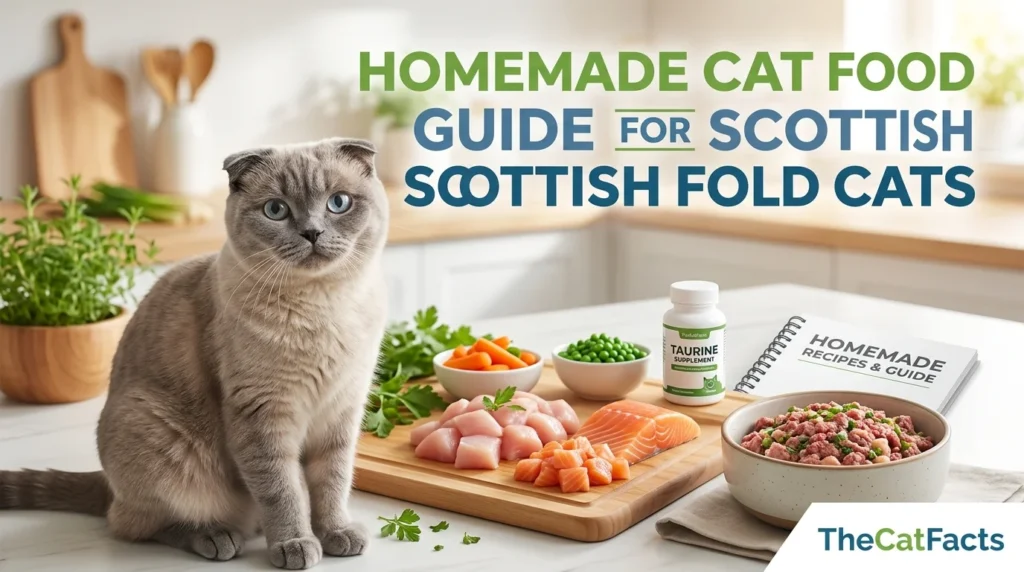
Scottish Fold cats are known for their adorable folded ears, gentle personality, and calm nature. While they share many nutritional needs with other domestic cats, this breed can benefit from carefully planned diets that support healthy joints, maintain an ideal body weight, and provide complete nutrition throughout every life stage.
Homemade cat food has become increasingly popular among pet owners who want greater control over ingredient quality and avoid unnecessary fillers or artificial additives. However, preparing meals for cats is much more complex than cooking for people or even dogs. Cats are obligate carnivores, meaning they require nutrients that are naturally found in animal tissues. Missing even one essential nutrient over time can lead to serious health problems.
This guide explains everything you need to know about preparing homemade food for Scottish Fold cats, including nutritional requirements, safe ingredients, balanced recipes, feeding guidelines, common mistakes, food safety practices, and when veterinary guidance is essential.
Is Homemade Food Good for Scottish Fold Cats?
Yes, homemade food can be healthy for Scottish Fold cats when it is nutritionally complete, balanced, and approved by a veterinarian or veterinary nutritionist. Homemade meals should never rely on meat alone because cats require many essential vitamins, minerals, and amino acids.
Many owners choose homemade diets because they want fresher ingredients or need better control over what their cat eats. Homemade food may also help some cats with food sensitivities when carefully planned.
However, homemade diets are not automatically healthier than high-quality commercial foods. The biggest challenge is ensuring every meal contains all required nutrients in the correct amounts.
Benefits of Homemade Cat Food
When properly formulated, homemade meals may offer several advantages.
Benefits include:
- Better control over ingredient quality
- No unnecessary fillers
- Easier elimination of allergens
- Freshly prepared proteins
- Customization for age and activity level
- Better moisture content than many dry foods
- Increased owner awareness of nutrition
- Potentially improved food acceptance in picky eaters
Challenges of Homemade Diets
Preparing balanced cat food requires more than cooking meat.
Potential challenges include:
- Nutritional deficiencies
- Incorrect calcium-to-phosphorus ratio
- Lack of taurine
- Vitamin deficiencies
- Inconsistent recipes
- Food contamination risks
- Longer preparation time
- Higher cost for premium ingredients
- Need for veterinary guidance
Understanding Scottish Fold Nutritional Needs
Scottish Fold cats require a high-protein, moderate-fat diet with adequate vitamins, minerals, taurine, and moisture. Because this breed may develop joint problems, maintaining a healthy body weight is especially important.
Unlike humans, cats obtain many essential nutrients only from animal sources. Plant-based homemade diets cannot provide complete nutrition for cats.
Why Protein Is Essential
Protein is the foundation of every healthy feline diet.
It supports:
- Muscle maintenance
- Organ function
- Skin health
- Immune system
- Hormone production
- Tissue repair
- Growth in kittens
Excellent animal protein sources include:
- Chicken
- Turkey
- Rabbit
- Duck
- Beef
- Lamb
- Quail
- Fish (occasionally)
Protein should make up the largest portion of every balanced homemade meal.
Healthy Fats
Cats use fat as a major energy source.
Healthy fats help support:
- Brain function
- Healthy skin
- Soft coat
- Vitamin absorption
- Energy production
- Cell function
Suitable fat sources include:
- Chicken fat
- Turkey fat
- Fish oil
- Salmon oil
- Sardine oil (small amounts)
Avoid excessive fat because overweight Scottish Fold cats place additional stress on their joints.
Essential Vitamins and Minerals
Homemade diets must provide numerous micronutrients.
Important nutrients include:
- Vitamin A
- Vitamin D
- Vitamin E
- Vitamin B complex
- Zinc
- Copper
- Iron
- Selenium
- Magnesium
- Potassium
- Sodium
- Iodine
These nutrients should come from a properly balanced recipe rather than random supplementation.
The Importance of Taurine
Taurine is one of the most important nutrients for cats.
Unlike many animals, cats cannot produce enough taurine on their own.
A taurine deficiency may cause:
- Heart disease
- Vision loss
- Poor reproduction
- Weak immune function
- Growth problems in kittens
Cooking reduces taurine levels, which is why homemade diets often require additional taurine supplementation under veterinary guidance.
Calcium and Phosphorus Balance
One of the most common mistakes in homemade cat food is providing too much phosphorus and too little calcium.
Feeding meat without enough calcium can eventually weaken bones and affect normal body functions.
Balanced recipes usually include a veterinary-approved calcium source instead of relying solely on meat.
Homemade vs Commercial Cat Food
Neither homemade nor commercial food is automatically better. The healthiest option is one that provides complete and balanced nutrition while meeting your Scottish Fold’s individual needs.
| Feature | Homemade Food | Commercial Food |
| Ingredient control | Excellent | Moderate |
| Nutritional consistency | Depends on recipe | Excellent |
| Convenience | Lower | High |
| Customization | Excellent | Limited |
| Preparation time | High | Very low |
| Risk of deficiencies | Higher if unbalanced | Low when complete and balanced |
| Moisture content | Usually high | Varies |
| Cost | Moderate to high | Varies |
Owners who choose homemade diets should prioritize nutritional balance over ingredient trends.
Best Ingredients for Homemade Scottish Fold Cat Food
Choose high-quality animal proteins, moderate healthy fats, limited digestible carbohydrates, and veterinarian-approved supplements. Avoid harmful human foods and excessive seasoning.
Best Animal Proteins
Lean meats are ideal for daily meals.
Good choices include:
- Skinless chicken
- Turkey breast
- Lean beef
- Rabbit
- Duck
- Lamb
- Quail
- Venison
Always cook meat thoroughly unless following a professionally formulated raw feeding plan under veterinary supervision.
Safe Organ Meats
Organ meats provide important vitamins and minerals.
Examples include:
- Chicken liver
- Beef liver
- Chicken heart
- Turkey heart
These should be fed in appropriate amounts because excessive liver may provide too much vitamin A.
Safe Fish Options
Fish should not be the main protein every day.
Occasional choices include:
- Salmon
- Sardines
- Mackerel
Benefits include:
- Omega 3 fatty acids
- Healthy skin
- Coat support
- Anti-inflammatory effects
Always remove bones before feeding.
Eggs
Cooked eggs are an excellent source of:
- Protein
- Healthy fats
- Vitamins
- Minerals
Serve plain without butter, salt, garlic, or onions.
Vegetables That Can Be Included
Cats do not require vegetables, but small amounts may provide fiber.
Safe options include:
- Pumpkin
- Zucchini
- Carrots
- Green beans
- Peas
Vegetables should make up only a small portion of the meal.
Healthy Oils
Small amounts of healthy oils may improve skin and coat health.
Suitable options include:
- Salmon oil
- Fish oil
- Sardine oil
Avoid excessive oil because it increases calorie intake.
Ingredients You Should Never Feed
Several common human foods are toxic to cats and should never be included in homemade recipes. Even small amounts can cause illness or life-threatening poisoning.
| Unsafe Ingredient | Why It Is Dangerous |
| Onion | Damages red blood cells |
| Garlic | Causes anemia |
| Grapes | May cause kidney damage |
| Raisins | Toxic to cats |
| Chocolate | Contains theobromine |
| Alcohol | Severe poisoning |
| Xylitol | Dangerous sweetener |
| Raw bread dough | Expands in the stomach |
| Cooked bones | Can splinter |
| Excess salt | May cause sodium poisoning |
| Caffeine | Affects the nervous system |
| Macadamia nuts | May cause illness |
| Highly seasoned foods | Digestive upset |
Always prepare your cat’s meals separately from family meals to avoid accidental exposure to unsafe ingredients.
Basic Homemade Cat Food Recipe
This recipe is intended as an example of a homemade meal and should not be used as a complete long-term diet without veterinary guidance. Cats require balanced supplementation that cannot be achieved with meat alone.
Ingredients
- 500 grams cooked skinless chicken thighs
- 50 grams chicken liver
- 25 grams chicken heart
- 1 cooked egg
- Small amount of cooked pumpkin puree
- Veterinary-approved calcium supplement
- Taurine supplement (if recommended)
- Fish oil according to veterinary instructions
Preparation Steps
- Cook the chicken thoroughly without seasoning.
- Cook the liver and heart until fully done.
- Chop or grind all meat into small pieces.
- Mix in the cooked egg.
- Add a small amount of pumpkin.
- Mix supplements according to veterinary directions.
- Divide into daily meal portions.
- Refrigerate or freeze immediately.
This recipe demonstrates the types of ingredients commonly used in homemade feline diets, but it should not replace a professionally formulated complete recipe.
How Much Should You Feed?
The right portion depends on your Scottish Fold’s age, weight, activity level, reproductive status, and overall health. Feeding too much increases the risk of obesity, while feeding too little can lead to nutrient deficiencies and weight loss.
| Life Stage | General Feeding Frequency |
| Kitten | 3 to 4 meals daily |
| Adult | 2 meals daily |
| Senior | 2 to 3 smaller meals |
| Pregnant | Multiple small meals |
| Nursing | Free access or frequent meals |
Daily calorie requirements vary widely. Your veterinarian can calculate your cat’s ideal calorie intake based on body condition and health status.
Homemade Recipes for Different Life Stages
Scottish Fold cats have different nutritional needs throughout life. Kittens require extra calories and nutrients for growth, adults need balanced maintenance diets, and senior cats often benefit from easily digestible meals with joint support.
Homemade Recipe for Scottish Fold Kittens
Kittens grow rapidly during their first year, so they need more protein, calories, calcium, and essential nutrients than adult cats.
| Ingredient | Amount |
| Cooked chicken thigh | 250 g |
| Chicken heart | 40 g |
| Chicken liver | 20 g |
| Cooked egg | 1 |
| Veterinary-approved calcium supplement | As directed |
| Taurine supplement | As directed |
| Fish oil | As directed |
Feed several small meals throughout the day. Never feed kittens an unbalanced homemade diet because nutritional deficiencies during growth can have lifelong consequences.
Homemade Recipe for Adult Scottish Fold Cats
Healthy adults need a diet that maintains muscle while preventing excessive weight gain.
A balanced adult meal may include:
- Lean cooked turkey or chicken
- Small amount of liver
- Chicken heart
- Veterinary-approved supplements
- Fish oil
- Limited pumpkin for fiber
Divide into two meals daily unless your veterinarian recommends otherwise.
Homemade Recipe for Senior Scottish Fold Cats
Older cats may have reduced appetite, dental disease, arthritis, or decreased kidney function.
Senior-friendly meals should include:
- Easily digested protein
- Moderate fat
- High moisture
- Veterinary-approved supplements
- Soft texture
Senior cats with chronic diseases should eat diets recommended by their veterinarian rather than homemade recipes without professional guidance.
Special Nutrition for Scottish Fold Joint Health
Scottish Fold cats are genetically predisposed to skeletal problems related to cartilage development. Nutrition cannot cure these conditions, but maintaining a healthy weight and providing supportive nutrients may help reduce stress on the joints.
Why Weight Management Matters
Excess body weight places additional pressure on joints.
Maintaining a lean body condition may help:
- Improve mobility
- Reduce joint stress
- Lower arthritis progression
- Increase daily activity
- Improve quality of life
Avoid frequent treats and excessive fat in homemade diets.
Joint Supporting Nutrients
Some nutrients commonly recommended by veterinarians include:
- Omega 3 fatty acids
- Glucosamine
- Chondroitin
- Green-lipped mussel extract
- Vitamin E
- High-quality protein
These supplements should only be used according to veterinary advice.
Supplements That Homemade Diets Often Require
Most homemade cat food recipes require supplements because meat alone cannot provide complete feline nutrition. Supplements should be chosen with veterinary guidance to avoid both deficiencies and excessive intake.
| Supplement | Purpose |
| Taurine | Heart and eye health |
| Calcium | Bone development |
| Vitamin E | Antioxidant support |
| B-complex vitamins | Energy metabolism |
| Fish oil | Omega 3 fatty acids |
| Trace minerals | Complete nutrition |
Never guess supplement amounts. Too much of certain vitamins or minerals can be as harmful as too little.
Foods Scottish Fold Cats Can Eat Occasionally
Some foods can be offered as occasional treats rather than daily staples.
Safe options include:
- Plain cooked chicken
- Cooked turkey
- Boiled egg
- Small amount of pumpkin
- Plain cooked green beans
- Small pieces of cooked salmon
- Plain rabbit meat
Treats should make up less than 10 percent of your cat’s daily calorie intake.
Foods to Limit
Certain foods are safe in moderation but should not become major parts of the diet.
These include:
- Tuna
- Cheese
- Milk
- Yogurt
- Rice
- Oatmeal
Many adult cats have difficulty digesting lactose, and excessive carbohydrates provide little nutritional benefit.
Transitioning to Homemade Food
Changing your Scottish Fold’s diet gradually helps reduce digestive upset and encourages acceptance of the new food. Sudden diet changes may cause vomiting, diarrhea, or refusal to eat.
Recommended Transition Schedule
| Day | Commercial Food | Homemade Food |
| 1 to 2 | 75% | 25% |
| 3 to 4 | 50% | 50% |
| 5 to 6 | 25% | 75% |
| 7 onward | 0 to 25% | 75 to 100% |
Some cats require a slower transition over two weeks or longer.
Signs the Transition Is Going Well
Look for:
- Normal stool
- Good appetite
- Stable energy
- Healthy hydration
- No vomiting
- Steady body weight
If digestive problems develop, slow the transition and contact your veterinarian if symptoms persist.
Safe Food Preparation Practices
Proper food handling reduces the risk of bacterial contamination and foodborne illness for both your cat and your family.
Follow these food safety guidelines:
- Wash hands before and after preparing food.
- Use separate cutting boards for raw meat.
- Cook meat thoroughly unless using a professionally supervised raw diet.
- Refrigerate leftovers promptly.
- Freeze extra portions.
- Label containers with preparation dates.
- Discard spoiled food immediately.
- Wash bowls after every meal.
Never leave homemade cat food at room temperature for several hours.
Storage Guidelines
Correct storage helps preserve freshness and nutritional quality.
| Storage Method | Recommended Time |
| Refrigerator | Up to 3 days |
| Freezer | Up to 2 to 3 months |
| Room temperature | No longer than 2 hours |
Thaw frozen meals in the refrigerator rather than on the kitchen counter.
Common Homemade Cat Food Mistakes
Many well-meaning owners accidentally create nutritionally incomplete diets. Understanding these mistakes can help protect your Scottish Fold’s long-term health.
Common errors include:
- Feeding only chicken breast
- Skipping calcium supplementation
- Forgetting taurine
- Feeding excessive liver
- Using recipes from unreliable internet sources
- Adding onions or garlic for flavor
- Overfeeding fish
- Ignoring calorie intake
- Not monitoring body weight
- Changing recipes too frequently
A balanced recipe should remain consistent unless modified under veterinary supervision.
Signs Your Cat May Not Be Getting Proper Nutrition
Watch for signs that may indicate dietary problems.
Possible warning signs include:
- Weight loss
- Weight gain
- Poor coat quality
- Hair loss
- Lethargy
- Weak muscles
- Frequent digestive upset
- Constipation
- Diarrhea
- Poor wound healing
- Reduced appetite
These signs are not specific to nutrition alone and should always be evaluated by a veterinarian.
When Homemade Food May Not Be Appropriate
Some Scottish Fold cats require specialized therapeutic diets that should not be replaced with homemade meals unless formulated by a veterinary nutritionist.
Examples include cats with:
- Chronic kidney disease
- Severe liver disease
- Diabetes mellitus
- Food allergies requiring prescription diets
- Urinary crystal disorders
- Pancreatitis
- Heart disease
- Cancer
These medical conditions often require carefully controlled nutrient levels that standard homemade recipes cannot safely provide.
Veterinary Advice Before Starting Homemade Diets
Consult your veterinarian before switching your Scottish Fold to homemade food. Professional guidance helps ensure the diet meets your cat’s nutritional needs while considering age, weight, medical history, and activity level.
A veterinarian may recommend:
- Body condition assessment
- Blood testing for cats with existing health conditions
- Calorie calculations
- Balanced recipe formulation
- Appropriate supplements
- Follow-up weight checks
- Periodic nutritional evaluations
Working with a board-certified veterinary nutritionist is the safest way to create a complete homemade diet for long-term feeding.
Homemade Cat Food Safety Checklist
Use this checklist before serving every meal.
- Use fresh, high-quality ingredients.
- Cook meat thoroughly unless otherwise directed by a veterinary nutritionist.
- Avoid toxic foods such as onions, garlic, grapes, raisins, chocolate, and xylitol.
- Include veterinarian-approved supplements.
- Measure ingredients accurately.
- Store food safely.
- Wash feeding bowls daily.
- Monitor your cat’s weight every month.
- Schedule regular veterinary checkups.
- Adjust portions based on age and activity level.
Expert Tips for Feeding Scottish Fold Cats
- Prioritize complete nutrition over trendy ingredients.
- Keep your cat lean to reduce stress on joints.
- Encourage water intake with moisture-rich meals.
- Rotate approved protein sources only if the diet remains balanced.
- Introduce new foods gradually.
- Measure portions instead of estimating.
- Monitor body condition rather than weight alone.
- Record any digestive changes after dietary adjustments.
- Use food scales for accurate meal preparation.
- Schedule routine veterinary examinations to ensure the homemade diet continues to meet your cat’s changing nutritional needs.
Conclusion
Homemade cat food can be an excellent option for Scottish Fold cats when it is carefully planned, nutritionally complete, and prepared safely. A balanced homemade diet provides high-quality protein, healthy fats, essential vitamins, minerals, and adequate moisture while allowing owners to control ingredient quality.
However, homemade feeding requires much more than cooking meat. Cats have unique nutritional requirements, including taurine, calcium, and several vitamins that must be provided in the correct amounts. Poorly balanced recipes can lead to serious health problems over time, even if they appear healthy in the short term.
The safest approach is to work with your veterinarian or a board-certified veterinary nutritionist before making homemade food a permanent part of your Scottish Fold’s diet. With proper planning, regular health monitoring, and careful food preparation, homemade meals can support a healthy, active, and comfortable life for your feline companion.
FAQs
Can Scottish Fold cats eat homemade food every day?
Yes, Scottish Fold cats can eat homemade food daily if it is complete and balanced. A diet made with only meat is not enough because cats also need taurine, calcium, vitamins, and minerals. Ask your veterinarian or a board-certified veterinary nutritionist to formulate a recipe suitable for long-term feeding.
Is homemade food better than commercial cat food?
Not necessarily. Homemade food gives you more control over ingredients, but it must be nutritionally balanced. High-quality commercial cat foods are formulated to meet established nutritional standards. The best choice depends on your cat’s health, lifestyle, and whether the homemade diet has been professionally formulated.
What is the best protein for homemade Scottish Fold cat food?
Chicken, turkey, rabbit, lean beef, and lamb are excellent protein choices. These animal proteins provide essential amino acids that cats need for healthy muscles, organs, and immune function. Rotating approved protein sources can add variety while maintaining balanced nutrition.
Can I feed my Scottish Fold only cooked chicken?
No. Cooked chicken alone does not provide complete nutrition. It lacks important nutrients such as calcium, taurine, and several vitamins and minerals. Feeding only chicken for an extended period can lead to nutritional deficiencies and serious health problems.
Do Scottish Fold cats need taurine supplements?
Many homemade diets require taurine supplementation because cooking reduces taurine levels in meat. The exact amount depends on the recipe and ingredients used. Your veterinarian or veterinary nutritionist can determine whether supplementation is necessary and recommend the appropriate dosage.
Are raw diets safe for Scottish Fold cats?
Raw diets can expose cats and people to harmful bacteria and parasites if not handled correctly. While some owners choose professionally formulated raw diets, they should only be fed under veterinary guidance. For most households, properly cooked homemade meals are considered a safer option.
How much homemade food should I feed my Scottish Fold?
The correct amount depends on your cat’s age, body weight, activity level, and health condition. Kittens usually require several small meals each day, while healthy adults often do well with two meals daily. Your veterinarian can calculate your cat’s daily calorie needs for accurate portion sizes.
Can homemade food help overweight Scottish Fold cats?
A carefully balanced homemade diet may help with weight management because you can control calories and ingredient quality. However, portion control is just as important as food selection. Regular exercise and routine weight monitoring are also essential for maintaining a healthy body condition.
Which foods should never be included in homemade cat food?
Never feed onions, garlic, grapes, raisins, chocolate, alcohol, caffeine, xylitol, cooked bones, or heavily seasoned foods. These ingredients can cause poisoning, digestive problems, anemia, kidney damage, or other serious health issues.
How should homemade cat food be stored?
Store homemade cat food in airtight containers in the refrigerator for up to three days or freeze individual portions for up to three months. Thaw frozen meals in the refrigerator and discard any food left at room temperature for more than two hours.

Isabella Morgan is a Veterinary Content Researcher with more than 12 years of experience researching companion animal health, preventive veterinary care, pet nutrition, and animal welfare. She specializes in translating complex veterinary information into clear, accurate, and reader friendly content that helps pet owners make informed decisions about the health and well being of their animals.
1 thought on “Homemade Cat Food Guide for Scottish Fold Cats”