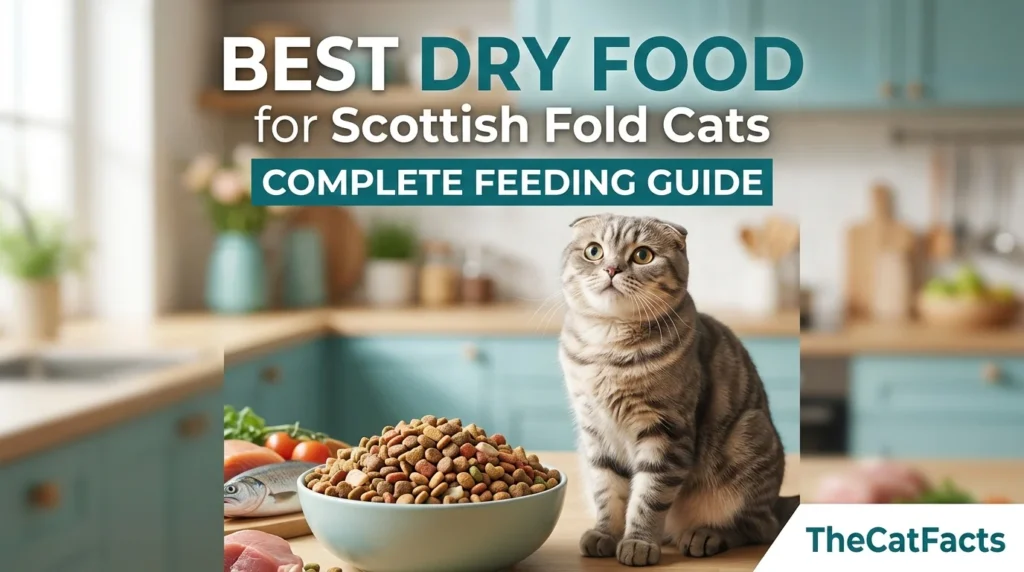
Scottish Fold cats are known for their adorable folded ears, round faces, and gentle personalities. While their unique appearance makes them one of the most recognizable cat breeds, it also comes with special health considerations that affect their nutritional needs. Choosing the best dry food for a Scottish Fold is not just about buying premium kibble. It is about providing balanced nutrition that supports healthy joints, muscles, bones, skin, coat, digestion, and long-term well-being.
A high-quality dry cat food can be part of a healthy diet when it contains animal-based protein, balanced fats, essential vitamins, minerals, and controlled calorie levels. Since Scottish Folds are genetically prone to cartilage and joint problems, their diet plays an important role in maintaining mobility and preventing obesity, which can worsen orthopedic conditions.
This complete guide explains everything you need to know about feeding dry food to Scottish Fold cats. Whether you have a playful kitten, an active adult, or a senior Foldie, you’ll learn how to select the right kibble, understand ingredient labels, avoid common feeding mistakes, and support your cat’s health through proper nutrition.
Why Choosing the Right Dry Food Matters for Scottish Fold Cats
The right dry food provides complete and balanced nutrition while supporting the breed’s unique health needs. Scottish Fold cats benefit from diets rich in high-quality animal protein, moderate healthy fats, and nutrients that help maintain healthy joints, muscles, and body weight.
Unlike many other breeds, Scottish Folds have an inherited genetic mutation that affects cartilage development. This mutation gives them their famous folded ears but can also increase the risk of painful joint disease called osteochondrodysplasia. Nutrition cannot cure this condition, but a balanced diet helps reduce unnecessary stress on the joints by supporting lean muscle mass and maintaining a healthy weight.
Choosing a nutritionally complete diet also supports:
- Strong muscles
- Healthy bones
- Joint mobility
- Healthy skin and shiny coat
- Good digestion
- Immune function
- Dental health
- Healthy urinary tract
Every meal contributes to your cat’s lifelong health, making food selection one of the most important responsibilities of pet ownership.
Understanding the Nutritional Needs of Scottish Fold Cats
Scottish Fold cats need a balanced diet that reflects their natural carnivorous biology. They require diets rich in animal protein with moderate fat, minimal unnecessary carbohydrates, and essential vitamins and minerals.
Why Protein Is the Most Important Nutrient
Cats are obligate carnivores, meaning their bodies are designed to obtain nutrients primarily from animal tissues.
Protein helps:
- Build lean muscle
- Repair body tissues
- Support immune function
- Maintain healthy skin
- Produce hormones and enzymes
- Provide energy
Look for dry foods that list real animal ingredients first, such as:
- Chicken
- Turkey
- Duck
- Salmon
- Whitefish
- Lamb
- Rabbit
Foods with meat listed as the primary ingredient generally provide higher-quality protein than diets relying heavily on plant proteins.
Healthy Fats Support Overall Health
Dietary fat supplies energy and supports many body functions.
Benefits include:
- Healthy skin
- Soft, glossy coat
- Brain function
- Eye health
- Vitamin absorption
- Cell development
Healthy fat sources include:
- Chicken fat
- Fish oil
- Salmon oil
- Herring oil
- Flaxseed (as a complementary source)
Omega-3 fatty acids are especially valuable because they may help support joint comfort and reduce inflammation throughout the body.
Controlled Carbohydrates Are Beneficial
Cats do not require large amounts of carbohydrates.
Excess carbohydrates may contribute to:
- Weight gain
- Increased calorie intake
- Reduced dietary protein percentage
Good carbohydrate sources include:
- Brown rice
- Oats
- Barley
- Sweet potatoes
- Peas (in moderation)
The focus should always remain on protein rather than starches.
Essential Vitamins and Minerals
Complete dry cat food should include vitamins and minerals that support overall health.
Important nutrients include:
| Nutrient | Why It Matters |
| Taurine | Heart and eye health |
| Vitamin A | Vision and immunity |
| Vitamin D | Bone development |
| Vitamin E | Antioxidant protection |
| Vitamin B Complex | Energy metabolism |
| Calcium | Bone strength |
| Phosphorus | Healthy teeth and bones |
| Zinc | Skin and coat |
| Selenium | Immune support |
| Potassium | Muscle and nerve function |
Dry Food vs Wet Food for Scottish Fold Cats
Both dry and wet food can be healthy choices. The best option depends on your cat’s health, lifestyle, hydration, and individual preferences.
Comparison of Dry and Wet Food
| Feature | Dry Food | Wet Food |
| Moisture | Low | High |
| Shelf Life | Long | Short after opening |
| Convenience | Excellent | Moderate |
| Dental Abrasion | Some chewing benefit | Minimal |
| Cost | Usually lower | Usually higher |
| Storage | Easy | Refrigeration needed after opening |
| Portion Control | Easy | Requires careful measurement |
Many veterinarians recommend feeding a combination of dry and wet food to balance convenience with hydration.
Benefits of High-Quality Dry Food
Premium dry food offers complete nutrition while being easy to store, measure, and serve.
Supports Dental Health
Crunchy kibble encourages chewing, which may help reduce the buildup of plaque on some teeth. However, dry food should not replace regular dental care such as brushing or veterinary dental cleanings.
Convenient for Busy Owners
Dry food:
- Stores well
- Is easy to measure
- Can be used in automatic feeders
- Produces less waste
- Is ideal for puzzle feeders
Nutritionally Complete
Quality commercial dry foods are formulated to meet established feline nutritional standards for different life stages.
Supports Healthy Body Weight
Measured portions make it easier to control calorie intake and prevent overeating.
Potential Drawbacks of Dry Food
Dry food is healthy when chosen carefully, but it also has limitations.
Low Moisture Content
Most kibble contains only about 8 to 10 percent moisture.
Cats naturally have a low thirst drive, so they may not drink enough water to compensate.
To encourage hydration:
- Provide multiple fresh water bowls.
- Use a cat water fountain.
- Offer wet food as part of the diet.
- Monitor water intake, especially during hot weather.
Calorie Density
Dry food contains more calories per cup than wet food.
Without portion control, cats can easily consume excess calories.
This is especially important because Scottish Folds can become less active if joint discomfort develops with age.
Lower Palatability for Some Cats
Some cats simply prefer the texture and aroma of wet food. Mixing a small amount of wet food with kibble may improve acceptance without compromising balanced nutrition.
Scottish Fold Health Conditions That Nutrition Can Support
Nutrition cannot prevent inherited diseases, but it can help manage overall health and reduce additional strain on the body.
Joint Health
Scottish Folds are predisposed to cartilage disorders.
Maintaining a healthy weight is one of the best ways to reduce pressure on painful joints.
Helpful nutrients include:
- Omega-3 fatty acids
- Glucosamine
- Chondroitin
- High-quality protein
- Vitamin E
Always discuss joint supplements with your veterinarian before adding them to your cat’s diet.
Weight Management
Excess body fat increases stress on:
- Hips
- Knees
- Spine
- Ankles
- Elbows
Keeping your Scottish Fold lean supports better mobility and quality of life.
Urinary Health
Cats eating dry food should always have easy access to fresh water.
Proper hydration helps support:
- Kidney function
- Urinary tract health
- Normal urine concentration
If your cat has a history of urinary tract disease, your veterinarian may recommend a specific therapeutic diet.
What Makes a High-Quality Dry Cat Food?
The best dry food is more than an attractive package or marketing claims. Reading the ingredient list and guaranteed analysis helps you understand what your cat is actually eating.
Animal Protein Should Be the First Ingredient
The first ingredient should ideally be a named animal protein such as:
- Deboned chicken
- Turkey
- Salmon
- Whitefish
- Lamb
Named protein sources are generally preferable to vague terms like “meat meal” or “animal by-products.”
Complete and Balanced Nutrition
Look for foods labeled as complete and balanced for your cat’s life stage, whether kitten, adult, or senior.
These diets are formulated to provide appropriate levels of essential nutrients without requiring additional supplementation in most healthy cats.
Moderate Fat Content
Healthy fats should come from quality animal sources rather than excessive plant oils.
Balanced fat levels help maintain energy while reducing the risk of unnecessary weight gain.
Limited Artificial Additives
Whenever possible, choose foods without:
- Artificial colors
- Artificial flavors
- Excessive chemical preservatives
- Large amounts of added sugars
Natural preservatives such as mixed tocopherols are commonly used in premium cat foods.
Reading a Cat Food Label Like a Veterinarian
Learning to read a pet food label helps you make informed decisions instead of relying solely on marketing claims.
Ingredient Order Matters
Ingredients are listed by weight before processing.
Fresh meat often appears first because it contains a high amount of water. Even so, quality meat ingredients remain an excellent foundation for feline diets.
Guaranteed Analysis
The guaranteed analysis shows minimum or maximum amounts of key nutrients.
Pay attention to:
- Crude protein
- Crude fat
- Crude fiber
- Moisture
- Ash (when listed)
Comparing foods on a dry matter basis provides a more accurate comparison, especially when evaluating dry versus wet diets.
Life Stage Statement
Choose food specifically formulated for your cat’s age:
- Kitten
- Adult
- Senior
- All life stages
Feeding the correct life-stage diet helps ensure your Scottish Fold receives appropriate levels of calories, protein, vitamins, and minerals as its nutritional needs change over time.
Ingredients to Look for in Dry Food for Scottish Fold Cats
Choosing dry food starts with understanding the ingredient list. The best formulas prioritize animal-based ingredients and provide balanced nutrition without unnecessary fillers.
High-Quality Animal Protein Sources
Cats thrive on protein from animal sources because it supplies essential amino acids that plant proteins cannot fully replace.
Look for ingredients such as:
- Deboned chicken
- Turkey
- Salmon
- Whitefish
- Duck
- Lamb
- Rabbit
Protein-rich diets help support:
- Lean muscle maintenance
- Healthy metabolism
- Strong immune function
- Tissue repair
- Healthy skin and coat
Healthy Fat Sources
Healthy fats provide concentrated energy and support many body systems.
Excellent fat sources include:
- Chicken fat
- Salmon oil
- Fish oil
- Herring oil
These ingredients are naturally rich in omega-3 and omega-6 fatty acids, which help maintain healthy skin and may support joint comfort.
Digestible Carbohydrates
Although cats do not require many carbohydrates, some digestible plant ingredients provide fiber, vitamins, and energy.
Better carbohydrate sources include:
- Brown rice
- Oats
- Sweet potatoes
- Pumpkin
- Barley
These ingredients are generally easier to digest than large amounts of corn or wheat.
Beneficial Fiber Sources
Fiber supports digestive health and helps reduce hairballs.
Look for ingredients such as:
- Pumpkin
- Beet pulp
- Psyllium
- Cellulose (in appropriate amounts)
- Chicory root
Natural Antioxidants
Antioxidants help protect cells from damage caused by free radicals.
Beneficial ingredients include:
- Blueberries
- Cranberries
- Spinach
- Kale
- Vitamin E
- Vitamin C
These nutrients contribute to overall immune health.
Ingredients to Avoid or Limit
Not every ingredient listed on a pet food label is harmful, but some provide little nutritional value or may not be ideal as major components.
Excessive Fillers
Some inexpensive foods rely heavily on fillers instead of animal protein.
Examples include:
- Large amounts of corn
- Excess wheat
- Soy protein concentrates
- Refined starches
Small amounts are not necessarily harmful, but they should not replace high-quality meat ingredients.
Artificial Colors
Cats choose food based primarily on smell rather than appearance.
Artificial coloring offers no nutritional benefit.
Artificial Flavor Enhancers
Quality foods rely on real meat ingredients for flavor instead of synthetic additives.
Excess Sugar
Added sugars are unnecessary in feline diets and can contribute to excess calorie intake.
Excess Sodium
Healthy adult cats can tolerate normal dietary sodium, but foods with unusually high salt levels should generally be avoided unless prescribed by a veterinarian.
Should Scottish Fold Cats Eat Grain-Free Dry Food?
Grain-free diets are not automatically healthier than grain-inclusive diets. What matters most is the overall nutritional quality of the food.
Many premium foods containing whole grains provide excellent nutrition.
Healthy grains may include:
- Oats
- Brown rice
- Barley
Grain-free diets may be appropriate if a veterinarian diagnoses a true food allergy, but most food allergies in cats are linked to proteins rather than grains.
Always choose a food based on its complete nutritional profile rather than marketing claims.
Best Dry Food by Life Stage
A Scottish Fold’s nutritional needs change throughout life. Feeding a life-stage appropriate diet supports healthy growth, maintenance, and aging.
Dry Food for Scottish Fold Kittens
Kittens grow rapidly during their first year.
Their food should contain:
- Higher protein
- Higher fat
- DHA for brain development
- Calcium and phosphorus for bones
- Taurine for heart and eye health
Kitten food provides more calories because young cats require extra energy for growth.
Dry Food for Adult Scottish Folds
Healthy adults benefit from balanced nutrition that maintains muscle while preventing unnecessary weight gain.
Focus on foods with:
- High animal protein
- Moderate fat
- Controlled calories
- Omega fatty acids
- Digestible ingredients
Portion control becomes increasingly important after neutering or spaying because calorie requirements often decrease.
Dry Food for Senior Scottish Fold Cats
Senior cats often become less active and may develop age-related health conditions.
Senior diets typically offer:
- Moderate calories
- Easily digestible protein
- Joint-supporting nutrients
- Increased antioxidants
- Controlled phosphorus levels (when appropriate)
Your veterinarian may recommend a specialized diet if your senior cat develops kidney disease, diabetes, or arthritis.
Feeding Guide by Age
Daily food requirements vary depending on your cat’s age, body weight, activity level, and the calorie density of the chosen food.
The table below provides general feeding estimates.
| Life Stage | Meals Per Day | General Feeding Goal |
| 8 to 12 weeks | 4 to 5 | Support rapid growth |
| 3 to 6 months | 3 to 4 | Maintain healthy development |
| 6 to 12 months | 2 to 3 | Transition toward adult feeding |
| Adult | 2 | Maintain ideal body condition |
| Senior | 2 to 3 | Support healthy aging |
Always follow the manufacturer’s feeding guidelines as a starting point and adjust portions based on your cat’s body condition.
How Much Dry Food Should a Scottish Fold Eat?
The ideal portion depends on several factors rather than body weight alone.
Consider:
- Age
- Activity level
- Indoor or outdoor lifestyle
- Neuter status
- Current weight
- Body condition score
- Medical conditions
Average Daily Feeding Estimates
| Weight | Approximate Daily Dry Food* |
| 5 pounds (2.3 kg) | ¼ to ⅓ cup |
| 8 pounds (3.6 kg) | ⅓ to ½ cup |
| 10 pounds (4.5 kg) | ½ cup |
| 12 pounds (5.4 kg) | ½ to ⅔ cup |
| 15 pounds (6.8 kg) | ⅔ cup |
*Amounts vary depending on calorie density. Always check the feeding guide on your cat’s food.
Maintaining a Healthy Weight
Scottish Fold cats benefit greatly from staying lean because excess weight increases pressure on their joints.
Signs your cat is at a healthy weight include:
- You can feel the ribs without pressing hard.
- The waist is visible from above.
- The abdomen has a slight upward tuck when viewed from the side.
- Your cat moves comfortably and remains active.
Signs Your Cat May Be Overweight
Watch for:
- Difficulty jumping
- Reduced activity
- Loss of a visible waist
- Fat deposits around the abdomen
- Heavy breathing after mild exercise
If your cat is overweight, work with your veterinarian to develop a gradual weight-loss plan. Rapid weight loss can be dangerous for cats.
Importance of Hydration When Feeding Dry Food
Because dry food contains very little moisture, encouraging water intake is essential.
Cats naturally evolved from desert-dwelling ancestors and often do not drink enough water voluntarily.
Ways to Increase Water Intake
Try these simple strategies:
- Place several water bowls around the home.
- Use a circulating water fountain.
- Refresh water daily.
- Keep bowls away from litter boxes.
- Offer wet food alongside kibble.
- Add a small amount of water to dry food if your cat accepts it.
Adequate hydration supports:
- Kidney health
- Urinary tract function
- Digestion
- Overall well-being
How to Transition to a New Dry Food
Changing foods too quickly can upset your cat’s digestive system.
A gradual transition over 7 to 10 days is usually recommended.
| Day | Old Food | New Food |
| 1 to 2 | 75% | 25% |
| 3 to 4 | 50% | 50% |
| 5 to 6 | 25% | 75% |
| 7 onward | 0% | 100% |
If vomiting, diarrhea, or refusal to eat occurs, slow the transition and consult your veterinarian if symptoms persist.
Can Scottish Fold Cats Eat Dry Food Only?
Many healthy Scottish Fold cats can thrive on a complete and balanced dry diet. However, feeding only kibble may not provide enough moisture for some cats.
Many veterinarians recommend combining dry and wet food because this approach offers:
- Better hydration
- Dietary variety
- Increased palatability
- Easier weight management for some cats
- Support for urinary tract health
The ideal feeding plan depends on your cat’s individual health, lifestyle, and veterinary recommendations.
Common Health Conditions That Nutrition Can Help Support
A nutritious diet cannot eliminate inherited health conditions, but it can help your Scottish Fold maintain a healthier body, better mobility, and improved quality of life. Proper nutrition also supports recovery from illness and promotes healthy aging.
Osteochondrodysplasia
Osteochondrodysplasia is an inherited disorder that affects cartilage and bone development. It is responsible for the folded ears that make Scottish Folds unique, but it can also lead to painful joint changes.
While diet cannot cure this condition, maintaining an ideal body weight reduces stress on affected joints.
Helpful nutrients include:
- High-quality animal protein
- Omega-3 fatty acids
- Glucosamine
- Chondroitin
- Vitamin E
- Manganese
Always consult your veterinarian before adding joint supplements.
Obesity
Scottish Fold cats often enjoy relaxing indoors, which can increase their risk of becoming overweight.
Extra weight places additional pressure on:
- Knees
- Hips
- Spine
- Ankles
- Elbows
A balanced diet combined with regular play sessions helps maintain a healthy body condition.
Urinary Tract Health
Cats eating primarily dry food should always have access to fresh water.
Adequate hydration helps support:
- Healthy kidneys
- Normal urine concentration
- Bladder function
- Urinary tract health
If your cat has urinary crystals, recurrent urinary tract problems, or kidney disease, your veterinarian may recommend a prescription diet instead of a regular commercial food.
Digestive Health
A healthy digestive system allows cats to absorb nutrients efficiently.
Ingredients that support digestion include:
- Prebiotics
- Probiotics
- Pumpkin
- Beet pulp
- Easily digestible proteins
If your Scottish Fold experiences frequent vomiting, diarrhea, or constipation, seek veterinary advice rather than changing foods repeatedly.
Should You Add Supplements?
Most premium dry foods already contain balanced levels of essential nutrients.
Healthy cats eating a complete and balanced commercial diet usually do not need additional supplements.
However, your veterinarian may recommend supplements for specific conditions.
Joint Supplements
Cats with arthritis or joint disease may benefit from supplements containing:
- Glucosamine
- Chondroitin sulfate
- Green-lipped mussel extract
- Omega-3 fatty acids
These products should only be used under veterinary guidance.
Fish Oil
Fish oil provides EPA and DHA, two important omega-3 fatty acids that support:
- Skin health
- Coat quality
- Joint comfort
- Brain function
Because excessive supplementation can cause digestive upset or interfere with nutrient balance, follow your veterinarian’s dosage recommendations.
Probiotics
Probiotics may help support:
- Digestive health
- Gut bacteria balance
- Recovery after antibiotic treatment
Not every cat needs probiotics, but they can be useful in selected cases.
Common Feeding Mistakes to Avoid
Even high-quality food cannot provide optimal benefits if feeding habits are poor.
Free Feeding All Day
Leaving food available at all times makes it difficult to monitor intake.
It may also contribute to:
- Obesity
- Overeating
- Reduced activity
Scheduled meals allow better portion control.
Ignoring Portion Sizes
Many owners accidentally overfeed because they estimate portions instead of measuring them.
Use:
- A measuring cup
- A digital kitchen scale
- Feeding guidelines from the manufacturer
Adjust portions according to your cat’s body condition.
Offering Too Many Treats
Treats should make up no more than about 10 percent of your cat’s daily calorie intake.
Healthier treat options include:
- Freeze-dried chicken
- Freeze-dried salmon
- Small pieces of cooked turkey
- Commercial single-ingredient treats
Changing Foods Too Frequently
Frequent diet changes can upset your cat’s digestive system.
Unless medically necessary, allow your cat time to adjust before deciding whether a food is suitable.
Ignoring Weight Changes
Monitor your cat’s weight every month.
Sudden weight gain or loss should be discussed with your veterinarian.
Dry Food Storage Tips
Proper storage preserves freshness and nutritional quality.
Store Food Correctly
For best results:
- Keep food in its original bag.
- Place the bag inside an airtight container.
- Store it in a cool, dry place.
- Keep it away from direct sunlight.
- Avoid humid environments.
Check Expiration Dates
Never feed expired kibble.
Old food may lose nutrients and develop rancid fats that reduce palatability.
Buy the Right Bag Size
Choose a bag your household can use within four to six weeks after opening.
Smaller bags often remain fresher than very large bags that stay open for months.
Daily Feeding Checklist
Use this checklist to support your Scottish Fold’s health every day.
✔ Measure every meal.
✔ Provide fresh drinking water.
✔ Clean food and water bowls daily.
✔ Monitor appetite.
✔ Observe stool quality.
✔ Encourage daily exercise.
✔ Check body condition monthly.
✔ Store food properly.
✔ Schedule regular veterinary wellness exams.
Signs Your Cat’s Food Is Working Well
A balanced diet should produce visible improvements in overall health.
Healthy signs include:
- Bright, clear eyes
- Soft, shiny coat
- Healthy skin
- Consistent energy levels
- Firm, well-formed stools
- Healthy body weight
- Strong muscles
- Good appetite
- Fresh breath with routine dental care
Signs the Current Food May Not Be Suitable
Consult your veterinarian if you notice:
- Frequent vomiting
- Persistent diarrhea
- Chronic constipation
- Weight loss
- Weight gain
- Poor coat quality
- Excessive shedding
- Itchy skin
- Low energy
- Poor appetite
- Difficulty chewing
- Increased thirst
- Frequent urination
These signs do not always indicate a food problem and may be caused by underlying medical conditions.
Expert Veterinary Advice
Veterinary nutritionists generally recommend focusing on nutritional quality rather than marketing terms.
When selecting a dry food:
- Choose a complete and balanced formula.
- Prioritize named animal proteins.
- Maintain an ideal body weight.
- Provide constant access to fresh water.
- Schedule routine veterinary checkups.
- Feed according to your cat’s life stage.
- Monitor changes in appetite and body condition.
Remember that every Scottish Fold is unique. Age, activity level, genetics, and medical history all influence nutritional requirements.
Quick Summary
| Topic | Key Takeaway |
| Best protein source | Named animal protein should be the first ingredient. |
| Healthy fats | Fish oil and chicken fat support skin, coat, and joints. |
| Hydration | Fresh water is essential when feeding dry food. |
| Weight control | Maintaining a lean body helps reduce joint stress. |
| Feeding schedule | Two measured meals daily are suitable for most adults. |
| Storage | Keep food sealed in a cool, dry place. |
| Supplements | Only use them if recommended by your veterinarian. |
| Veterinary care | Annual wellness exams help detect nutrition-related problems early. |
Conclusion
Choosing the best dry food for your Scottish Fold is one of the most important decisions you can make for your cat’s long-term health. A high-quality diet rich in animal protein, healthy fats, essential vitamins, and balanced minerals supports strong muscles, healthy joints, proper digestion, and a shiny coat.
Because Scottish Folds have unique genetic health concerns, maintaining a healthy body weight is just as important as selecting nutritious food. Measure meals carefully, encourage daily exercise, provide plenty of fresh water, and schedule regular veterinary checkups to monitor your cat’s overall well-being.
With thoughtful feeding and preventive care, your Scottish Fold can enjoy a healthy, active, and comfortable life for many years.
FAQs
Can Scottish Fold cats eat dry food every day?
Yes. Scottish Fold cats can eat dry food daily if it is complete and balanced for their life stage. Ensure your cat always has access to fresh water, measure portions carefully, and monitor body weight. Many veterinarians also recommend including some wet food to improve hydration and provide dietary variety.
Is grain-free dry food better for Scottish Fold cats?
Not necessarily. Grain-free food is not automatically healthier. Most Scottish Fold cats do well on high-quality grain-inclusive diets that contain digestible whole grains. Grain-free diets are generally only recommended when a veterinarian diagnoses a specific dietary sensitivity or allergy.
What protein is best for Scottish Fold cats?
Animal-based proteins such as chicken, turkey, salmon, duck, rabbit, and lamb are excellent choices. These proteins provide essential amino acids that support muscle development, immune function, healthy skin, and overall health.
How often should I feed my adult Scottish Fold?
Most healthy adult Scottish Fold cats do well with two measured meals each day. Scheduled feeding helps maintain a healthy weight and allows owners to monitor appetite more accurately than free feeding.
Can kittens eat adult dry food?
No. Scottish Fold kittens require kitten-specific food because it contains higher levels of calories, protein, fat, vitamins, and minerals needed for healthy growth and development. Adult food does not adequately support a kitten’s nutritional requirements.
How can I tell if my Scottish Fold is overweight?
A healthy Scottish Fold should have a visible waist when viewed from above, and you should be able to feel the ribs without pressing firmly. Difficulty jumping, reduced activity, and excess abdominal fat may indicate your cat is overweight.
Should I add joint supplements to my cat’s food?
Healthy cats eating a balanced commercial diet usually do not need supplements. However, cats with arthritis or joint disease may benefit from products containing glucosamine, chondroitin, or omega-3 fatty acids if recommended by a veterinarian.
What ingredients should I avoid in dry cat food?
Avoid foods that rely heavily on fillers, contain excessive artificial colors or flavors, or include unnecessary added sugars. Focus on diets with named animal proteins, balanced nutrients, and quality ingredients appropriate for your cat’s age.
How do I switch my Scottish Fold to a new dry food?
Introduce the new food gradually over seven to ten days by slowly increasing the proportion of the new food while reducing the old food. This approach helps minimize digestive upset and improves acceptance.
Is wet food better than dry food?
Both wet and dry foods can be healthy choices. Wet food provides more moisture, while dry food is convenient and easy to portion. Many veterinarians recommend feeding a combination of both to provide balanced nutrition and improve hydration.

Benjamin Hayes is a Senior Cat Behavior Researcher with more than 15 years of experience studying feline behavior, companion animal welfare, and human cat interactions. He specializes in translating scientific research into practical, easy to understand guidance that helps cat owners better understand their pets’ behavior, communication, health, and daily care.
1 thought on “Best Dry Food for Scottish Fold Cats | Complete Feeding Guide”