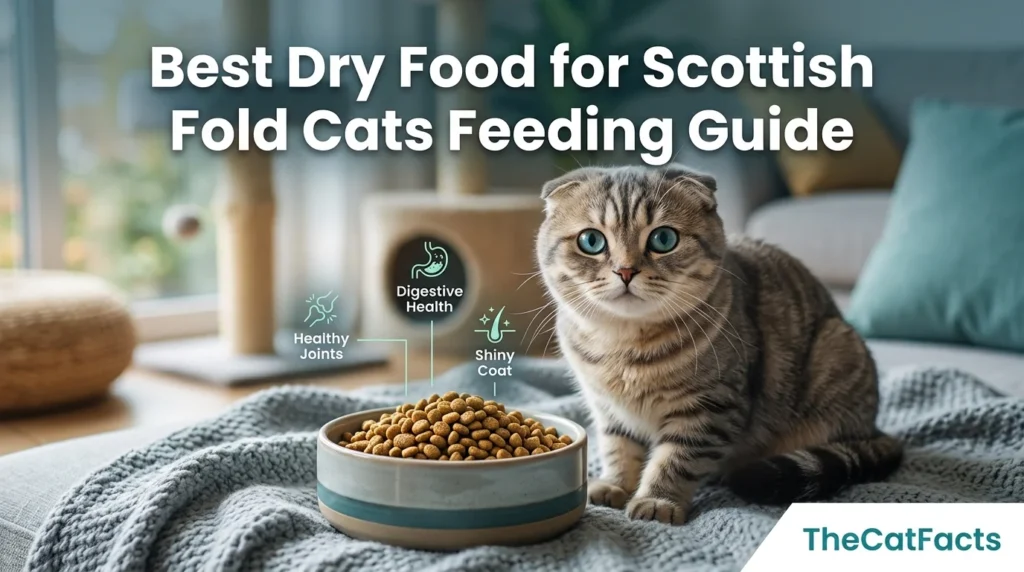
Choosing the best dry food for a Scottish Fold cat is about more than picking a popular brand. Scottish Folds have unique nutritional needs because they are prone to joint problems, weight gain, and certain hereditary health conditions. A high-quality dry diet rich in animal protein, healthy fats, vitamins, and minerals helps support lifelong health.
Whether you have a playful kitten, an active adult, or a senior Fold, feeding the right dry food can improve energy levels, maintain a healthy weight, support strong bones and joints, and keep their coat soft and shiny.
This guide explains everything you need to know about selecting the best dry food for Scottish Fold cats, including essential nutrients, ingredients to look for, foods to avoid, feeding recommendations, and veterinary-backed advice to help your cat thrive.
Why Choosing the Right Dry Food Matters for Scottish Fold Cats
A balanced, species-appropriate dry food supports your Scottish Fold’s overall health while helping reduce the risk of nutrition-related problems. Since this breed has unique genetic characteristics, proper nutrition becomes even more important throughout life.
Scottish Fold cats are known for their adorable folded ears, gentle personality, and round appearance. However, the same genetic mutation responsible for their folded ears is also linked to cartilage and bone abnormalities known as Scottish Fold osteochondrodysplasia.
Although diet cannot cure inherited joint disease, proper nutrition can help support healthy body weight, reduce stress on joints, and promote overall wellbeing.
Benefits of a high-quality dry diet include:
- Strong muscles from quality animal protein
- Healthy skin and a glossy coat
- Better immune system function
- Improved digestive health
- Controlled body weight
- Strong teeth through crunchy kibble texture
- Healthy bones and joints
- Long-term heart and eye health
Understanding the Nutritional Needs of Scottish Fold Cats
Scottish Fold cats require a high-protein, balanced diet that supports muscles, joints, digestion, and overall health. Every meal should provide complete and balanced nutrition based on your cat’s life stage.
Unlike humans, cats are obligate carnivores. Their bodies are designed to obtain nutrients primarily from animal sources.
High-Quality Animal Protein
Protein is the most important nutrient in a cat’s diet.
It helps maintain:
- Lean muscle mass
- Healthy organs
- Strong immune function
- Skin repair
- Tissue growth
- Energy production
Look for dry foods where the first ingredient is a named animal protein such as:
- Chicken
- Turkey
- Salmon
- Duck
- Whitefish
- Lamb
- Rabbit
Avoid foods where corn, wheat, or soy appear before meat ingredients.
Healthy Animal Fats
Healthy fats provide concentrated energy while supporting several body systems.
Benefits include:
- Healthy brain function
- Soft, shiny coat
- Healthy skin
- Better absorption of fat-soluble vitamins
- Energy for active cats
Look for foods containing:
- Chicken fat
- Salmon oil
- Fish oil
- Herring oil
Omega 3 fatty acids are especially valuable because they may help reduce inflammation and support joint health.
Joint-Supporting Nutrients
Scottish Fold cats can benefit from diets that include nutrients supporting cartilage and joint function.
Helpful ingredients include:
- Glucosamine
- Chondroitin
- Omega 3 fatty acids
- Green-lipped mussel
- EPA and DHA from fish oil
- Manganese
- Vitamin D
These nutrients do not reverse inherited bone disease, but they may help maintain healthy joint function when combined with veterinary care and weight management.
Taurine
Taurine is an essential amino acid that cats cannot produce in sufficient amounts.
Adequate taurine supports:
- Heart health
- Vision
- Reproduction
- Nervous system function
- Healthy immune response
Every complete commercial cat food should contain sufficient taurine.
Vitamins and Minerals
A complete dry food should provide balanced vitamins and minerals, including:
| Nutrient | Why It Matters |
| Vitamin A | Vision and immune health |
| Vitamin E | Antioxidant protection |
| Vitamin D | Bone development |
| Calcium | Strong bones |
| Phosphorus | Bone and teeth health |
| Zinc | Healthy skin |
| Selenium | Immune support |
| Iron | Healthy blood cells |
What Makes a Dry Cat Food High Quality?
The best dry cat food contains nutrient-dense ingredients, balanced nutrition, and minimal fillers. Reading the ingredient label is one of the easiest ways to judge food quality.
Real Meat as the First Ingredient
The first ingredient should always be a named animal protein.
Examples include:
- Deboned chicken
- Turkey meal
- Salmon
- Whitefish meal
- Duck meal
Animal meals are not necessarily poor-quality ingredients. High-quality chicken meal or salmon meal contains concentrated protein after moisture has been removed.
Complete and Balanced Nutrition
Look for products labeled as complete and balanced for your cat’s life stage.
These diets are formulated to meet established nutritional requirements for kittens, adults, or senior cats.
Moderate Fat Content
Too much fat can contribute to obesity, while too little may reduce energy levels and affect coat quality.
Healthy fats should come primarily from animal sources rather than vegetable oils.
Limited Artificial Additives
Choose foods with fewer artificial ingredients.
Avoid excessive amounts of:
- Artificial colors
- Artificial flavors
- Artificial preservatives when possible
Natural preservatives such as mixed tocopherols are generally preferred.
Digestible Ingredients
Highly digestible foods help maximize nutrient absorption and reduce digestive upset.
Beneficial ingredients include:
- Chicken
- Turkey
- Egg
- Fish
- Pumpkin
- Sweet potato
- Beet pulp in moderate amounts
- Prebiotic fibers
Ingredients to Look For
Choosing dry food becomes easier when you know which ingredients offer real nutritional value.
Premium Protein Sources
Excellent protein choices include:
- Chicken
- Turkey
- Salmon
- Ocean fish
- Rabbit
- Duck
- Lamb
Healthy Fat Sources
Look for:
- Chicken fat
- Salmon oil
- Fish oil
- Herring oil
Digestive Support
Helpful ingredients include:
- Chicory root
- Fructooligosaccharides (FOS)
- Mannanoligosaccharides (MOS)
- Pumpkin
- Probiotics
- Prebiotics
These ingredients help maintain a healthy balance of beneficial gut bacteria.
Antioxidant-Rich Ingredients
Natural antioxidants support immune health.
Look for foods containing:
- Blueberries
- Cranberries
- Spinach
- Carrots
- Pumpkin
- Vitamin E
Joint Support Ingredients
Some premium formulas include:
- Glucosamine
- Chondroitin sulfate
- Green-lipped mussel extract
- Marine collagen
These are especially beneficial for Scottish Fold cats as they age.
Ingredients to Avoid
Not every dry cat food offers the same nutritional value. Some products contain inexpensive fillers or unnecessary additives that provide little benefit.
While occasional inclusion of certain ingredients is not always harmful, they should not dominate the recipe.
Try to avoid foods with:
- Excessive corn
- Wheat as a primary ingredient
- Soy protein concentrates
- Artificial food dyes
- Excessive sugar
- Large amounts of unnamed meat by-products
- Chemical preservatives when better alternatives are available
Ingredient labels should clearly identify protein sources rather than using vague terms like “animal protein” or “meat meal.”
Dry Food vs Wet Food for Scottish Fold Cats
Both dry and wet food can be healthy choices when they are complete and balanced. Many veterinarians recommend feeding a combination of both to provide nutritional variety and improve water intake.
| Feature | Dry Food | Wet Food |
| Convenience | Excellent | Moderate |
| Cost | Usually lower | Usually higher |
| Dental support | May reduce tartar buildup | Minimal dental benefit |
| Moisture | Low | High |
| Storage | Easy | Refrigerate after opening |
| Portion control | Simple | Requires measuring each meal |
Dry food alone is not enough to meet a cat’s hydration needs. Always provide fresh, clean water, and consider including wet food if your cat drinks very little.
How to Choose the Best Dry Food Based on Your Cat’s Age
A Scottish Fold’s nutritional needs change throughout life. Feeding an age-appropriate diet supports healthy growth, weight management, and long-term wellness.
Best Dry Food for Scottish Fold Kittens
Kittens grow rapidly during their first year and need more calories, protein, and fat than adult cats.
Look for kitten formulas with:
- At least 35 percent protein
- DHA for brain development
- Balanced calcium and phosphorus
- High-quality animal protein
- Small kibble size
- Essential vitamins and minerals
Feed kittens several small meals each day to support steady growth.
Best Dry Food for Adult Scottish Fold Cats
Adult cats require balanced nutrition to maintain muscle mass without promoting excess weight gain.
An ideal adult formula should include:
- High animal protein
- Moderate fat
- Controlled calories
- Joint-support nutrients
- Omega 3 fatty acids
- Digestible carbohydrates in moderate amounts
Routine body weight checks help ensure your cat stays in healthy condition.
Best Dry Food for Senior Scottish Fold Cats
Older Scottish Fold cats often become less active and may develop arthritis or reduced muscle mass.
Senior diets should focus on:
- Easily digestible protein
- Joint support
- Controlled calories
- Omega 3 fatty acids
- Antioxidants
- High-quality ingredients
Regular veterinary examinations become increasingly important as cats age, allowing early detection of kidney disease, arthritis, dental disease, or other age-related conditions.
Understanding Cat Food Labels
Reading a pet food label helps you make informed decisions rather than relying solely on marketing claims.
Ingredient List
Ingredients are listed by weight before cooking. Fresh meat contains a high amount of water, while meat meals provide concentrated protein.
Do not judge a food based only on the first ingredient. Consider the overall ingredient quality and nutritional profile.
Guaranteed Analysis
This section shows minimum or maximum percentages for nutrients such as:
- Crude protein
- Crude fat
- Crude fiber
- Moisture
Comparing guaranteed analyses can help identify foods with appropriate protein and fat levels for your Scottish Fold.
Feeding Guidelines
Manufacturer feeding recommendations provide a useful starting point, but every cat is different. Activity level, age, health status, and body condition all affect calorie needs.
Adjust portions gradually while monitoring your cat’s weight and body condition.
Quick Checklist for Choosing the Best Dry Food
Before buying a new bag of dry food, ask yourself these questions:
✔ Is real animal protein the first ingredient?
✔ Is the food complete and balanced for your cat’s life stage?
✔ Does it contain taurine?
✔ Are omega 3 fatty acids included?
✔ Does it provide joint-support nutrients?
✔ Are artificial additives kept to a minimum?
✔ Is the calorie content appropriate for your cat’s activity level?
✔ Does the kibble size suit your cat’s age and chewing ability?
Choosing a diet that meets these criteria gives your Scottish Fold a strong nutritional foundation for a healthy and active life.
Recommended Types of Dry Food for Scottish Fold Cats
The best dry food depends on your Scottish Fold’s age, activity level, health, and any medical conditions. Rather than focusing only on brand names, choose a food that matches your cat’s individual nutritional needs.
High-Protein Dry Food
A high-protein diet closely matches a cat’s natural nutritional requirements.
Benefits include:
- Supports lean muscle development
- Helps maintain a healthy weight
- Keeps cats feeling satisfied longer
- Promotes healthy metabolism
- Provides sustained energy
Look for foods with at least 30 to 40 percent protein from animal sources.
Indoor Cat Formulas
Many Scottish Folds live exclusively indoors, making indoor formulas a suitable option.
These recipes often contain:
- Moderate calorie levels
- Higher fiber for hairball control
- Controlled fat content
- Balanced protein
- Added antioxidants
Indoor formulas can help reduce unnecessary weight gain when combined with regular play.
Weight Management Formulas
If your Scottish Fold is overweight, a veterinarian may recommend a weight-control diet.
These diets typically contain:
- Lower calorie density
- High-quality protein
- Increased fiber
- L-carnitine for fat metabolism
- Controlled fat levels
Weight loss should always be gradual. Rapid weight loss in cats can lead to serious liver disease called hepatic lipidosis.
Sensitive Stomach Formulas
Some Scottish Fold cats have sensitive digestion or food intolerances.
Sensitive digestion formulas often include:
- Limited ingredients
- Easily digestible proteins
- Prebiotics
- Probiotics
- Moderate fat content
These diets may help reduce digestive upset, although persistent vomiting or diarrhea always requires veterinary evaluation.
Joint Support Diets
Because Scottish Folds are prone to orthopedic problems, some cats benefit from diets designed to support joint health.
These formulas may include:
- Glucosamine
- Chondroitin sulfate
- Fish oil
- Green-lipped mussel
- Omega 3 fatty acids
- Collagen
While these nutrients are helpful, they should not replace veterinary treatment for arthritis or osteochondrodysplasia.
How Much Dry Food Should a Scottish Fold Eat?
Most healthy adult Scottish Fold cats eat about 1/3 to 2/3 cup of dry food daily, depending on calorie content, body weight, age, and activity level. Always use the feeding guide on the food package as a starting point and adjust based on your cat’s body condition.
No two cats have identical calorie needs.
Factors affecting food intake include:
- Age
- Body weight
- Activity level
- Whether the cat is neutered or spayed
- Indoor or outdoor lifestyle
- Medical conditions
- Pregnancy or nursing
Daily Feeding Guide
| Cat Weight | Approximate Daily Dry Food* |
| 2 to 3 kg (4.4 to 6.6 lb) | 30 to 45 g |
| 3 to 4 kg (6.6 to 8.8 lb) | 45 to 60 g |
| 4 to 5 kg (8.8 to 11 lb) | 60 to 75 g |
| 5 to 6 kg (11 to 13.2 lb) | 75 to 90 g |
*Amounts vary depending on calorie density. Always check the manufacturer’s feeding recommendations.
Feeding Schedule for Scottish Fold Cats
A consistent feeding routine helps maintain healthy digestion and prevents overeating.
Kittens
Young kittens have small stomachs but high energy requirements.
Recommended schedule:
| Age | Meals Per Day |
| 8 to 12 weeks | 4 meals |
| 3 to 6 months | 3 to 4 meals |
| 6 to 12 months | 2 to 3 meals |
Adult Cats
Healthy adults generally do well with:
- Two measured meals daily
- Fresh water available at all times
Some cats prefer multiple smaller meals throughout the day. Automatic feeders can help maintain a regular schedule.
Senior Cats
Senior cats often benefit from:
- Two or three smaller meals
- Easily digestible food
- Regular weight monitoring
Appetite changes in older cats should never be ignored.
Transitioning to a New Dry Food
Changing foods too quickly can upset your cat’s digestive system.
A gradual transition allows beneficial gut bacteria to adapt.
Seven-Day Transition Plan
| Day | Old Food | New Food |
| 1 to 2 | 75% | 25% |
| 3 to 4 | 50% | 50% |
| 5 to 6 | 25% | 75% |
| 7 | 0% | 100% |
If your cat develops vomiting, diarrhea, or refuses food, slow the transition and consult your veterinarian if symptoms continue.
Keeping Your Scottish Fold Hydrated
Although dry food is convenient, it contains much less moisture than wet food. Proper hydration supports kidney function, digestion, and urinary tract health.
Encourage water intake by:
- Providing multiple water bowls
- Cleaning bowls daily
- Using ceramic or stainless steel bowls
- Offering a pet water fountain
- Feeding occasional wet food meals
- Placing water away from litter boxes
Cats naturally have a low thirst drive, making hydration especially important.
Maintaining a Healthy Weight
Maintaining an ideal weight is one of the best ways to protect your Scottish Fold’s joints.
Every extra pound increases stress on bones and cartilage.
Signs Your Cat Is at a Healthy Weight
Healthy cats generally have:
- A visible waist from above
- A slight abdominal tuck
- Easily felt ribs without excess fat
- Good muscle tone
- Normal activity levels
Signs of Excess Weight
Watch for:
- Difficulty jumping
- Reduced activity
- Heavy breathing after play
- Fat deposits around the abdomen
- Rounded body shape
- Difficulty grooming
If your cat is overweight, your veterinarian can calculate an appropriate calorie target.
Special Dietary Considerations for Scottish Fold Cats
Some Scottish Folds have health conditions that require dietary adjustments.
Never change to a prescription diet without veterinary guidance.
Arthritis and Joint Disease
Cats with arthritis may benefit from diets containing:
- Omega 3 fatty acids
- Glucosamine
- Chondroitin
- Controlled calories
- High-quality protein
Maintaining a healthy weight remains the most effective nutritional strategy for reducing joint stress.
Urinary Health
Cats prone to urinary problems may need diets formulated to:
- Promote proper urine pH
- Encourage water intake
- Control mineral levels
- Support bladder health
Always seek veterinary care if your cat strains to urinate, urinates outside the litter box, or produces little to no urine, as urinary blockage is a medical emergency.
Kidney Disease
Cats diagnosed with chronic kidney disease often require specially formulated prescription diets.
These diets typically contain:
- Controlled phosphorus
- Moderate protein
- Increased omega 3 fatty acids
- Adjusted sodium levels
Do not feed kidney diets unless recommended by your veterinarian.
Food Allergies
Although true food allergies are uncommon, they can occur.
Possible signs include:
- Itchy skin
- Recurrent ear infections
- Vomiting
- Chronic diarrhea
- Excessive grooming
Your veterinarian may recommend a limited-ingredient or hydrolyzed protein diet to identify food allergies.
Common Feeding Mistakes to Avoid
Even high-quality food cannot provide its full benefits if feeding habits are poor.
Avoid these common mistakes.
Free Feeding All Day
Leaving food out constantly often leads to overeating and obesity.
Measured meals help monitor appetite and maintain a healthy weight.
Giving Too Many Treats
Treats should make up no more than 10 percent of your cat’s daily calorie intake.
Healthy treat options include:
- Freeze-dried chicken
- Freeze-dried salmon
- Small pieces of cooked turkey
- Commercial low-calorie cat treats
Ignoring Portion Sizes
Using a measuring cup or kitchen scale helps prevent accidental overfeeding.
Many owners unintentionally serve much larger portions than recommended.
Choosing Food Based Only on Price
The least expensive food is not always the best value.
Higher-quality diets often contain more digestible nutrients, meaning your cat absorbs more nutrition from each serving.
Changing Foods Frequently
Frequent diet changes can upset digestion and make it difficult to identify food sensitivities.
Unless medically necessary, stick with a high-quality food that your cat enjoys and tolerates well.
Veterinary Advice for Feeding Scottish Fold Cats
Nutrition plays an important role in your Scottish Fold’s long-term health, but it is only one part of a complete care plan.
Veterinarians generally recommend:
- Annual wellness examinations for healthy adults
- More frequent checkups for seniors
- Regular weight assessments
- Dental examinations
- Monitoring for signs of arthritis
- Routine body condition scoring
- Prompt evaluation of appetite changes
Early nutritional adjustments can help support better health outcomes as your cat ages.
Expert Tips for Choosing the Best Dry Food
Choosing the right food becomes much easier when you focus on nutrition instead of marketing.
Keep these expert tips in mind:
- Read the ingredient list before the front label.
- Select food formulated for your cat’s life stage.
- Prioritize named animal proteins.
- Monitor body weight every month.
- Transition to new foods gradually.
- Store dry food in a cool, dry place in its original bag inside an airtight container.
- Check expiration dates before purchasing.
- Discuss supplements with your veterinarian before adding them to your cat’s diet.
Myths vs Facts About Dry Food for Scottish Fold Cats
Many cat owners receive conflicting advice about dry food. Understanding the facts can help you make better feeding decisions for your Scottish Fold.
| Myth | Fact |
| Dry food is bad for every cat. | High-quality dry food can provide complete and balanced nutrition when fed correctly. |
| All grain-free diets are healthier. | Grain-free does not automatically mean better. Ingredient quality and overall nutrition matter more. |
| Scottish Fold cats need special breed-specific food. | Most Scottish Folds do well on any premium, complete diet that meets their life stage and health needs. |
| Dry food cleans a cat’s teeth completely. | Crunchy kibble may reduce some plaque, but it does not replace regular dental care. |
| More protein always means better nutrition. | Cats need high-quality, balanced protein along with appropriate fats, vitamins, and minerals. |
| Cats regulate their own food intake. | Many indoor cats overeat if food is available all day, increasing the risk of obesity. |
Signs Your Current Dry Food May Not Be the Right Choice
A healthy diet should help your Scottish Fold maintain a healthy body condition, shiny coat, and good energy levels. If you notice ongoing problems, the food may not be meeting your cat’s nutritional needs.
Watch for these signs:
- Frequent vomiting unrelated to hairballs
- Chronic diarrhea or constipation
- Dull or flaky coat
- Excessive shedding
- Itchy skin
- Weight gain or unexplained weight loss
- Low energy
- Poor muscle condition
- Bad breath that persists despite dental care
- Refusal to eat the food
- Recurrent digestive upset
These symptoms do not always indicate a food problem. They can also be signs of underlying medical conditions that require veterinary attention.
How to Store Dry Cat Food Properly
Proper storage keeps dry food fresh and helps preserve its nutritional value.
Follow these storage tips:
- Keep the food in its original bag whenever possible.
- Place the original bag inside an airtight container.
- Store it in a cool, dry location away from direct sunlight.
- Avoid exposing the food to heat or humidity.
- Wash the storage container before adding a new bag of food.
- Check the expiration date before feeding.
- Close the bag tightly after each use.
Poor storage can cause fats in the food to become rancid and may reduce vitamin potency over time.
Can Scottish Fold Cats Eat Homemade or Raw Diets?
Some owners are interested in homemade or raw diets. While these feeding methods can be successful in specific situations, they require careful planning.
Homemade diets should be formulated by a board-certified veterinary nutritionist to ensure they provide complete and balanced nutrition. Simply feeding cooked chicken or meat alone is not nutritionally adequate for cats.
Raw diets also carry potential risks, including:
- Bacterial contamination
- Nutritional imbalances
- Food safety concerns for people in the household
- Greater risk for kittens, senior cats, and cats with weakened immune systems
If you are considering a homemade or raw diet, discuss it with your veterinarian before making any changes.
Supplements for Scottish Fold Cats
Most healthy Scottish Fold cats eating a complete and balanced commercial diet do not require additional supplements.
However, some cats with specific medical conditions may benefit from supplements recommended by a veterinarian.
Common supplements include:
| Supplement | Potential Benefit |
| Fish oil | Supports skin, coat, and joint health |
| Glucosamine | May support joint function |
| Chondroitin | Helps maintain cartilage health |
| Probiotics | Supports digestive health |
| Omega 3 fatty acids | Helps reduce inflammation and supports heart health |
Never give human supplements without veterinary approval, as some ingredients or dosages may be harmful to cats.
Practical Feeding Tips for Everyday Success
Small daily habits can make a big difference in your cat’s long-term health.
Here are some practical tips:
- Measure every meal instead of estimating portions.
- Feed meals at the same time each day.
- Keep fresh water available at all times.
- Introduce new foods gradually.
- Use puzzle feeders to encourage mental stimulation.
- Weigh your cat every month if possible.
- Schedule routine veterinary checkups.
- Avoid feeding from the dinner table.
- Limit treats to less than 10 percent of daily calories.
- Monitor changes in appetite and drinking habits.
Quick Buying Checklist
Use this checklist before purchasing dry food for your Scottish Fold.
✔ Real meat is the first ingredient.
✔ Complete and balanced nutrition for the correct life stage.
✔ High-quality animal protein.
✔ Contains taurine.
✔ Includes omega 3 fatty acids.
✔ Moderate calorie content.
✔ Joint-supporting nutrients if appropriate.
✔ Minimal artificial colors and flavors.
✔ Digestible ingredients.
✔ Appropriate kibble size.
✔ Clearly labeled ingredients.
✔ Manufactured by a reputable pet food company with quality control standards.
Quick Summary
If you only remember a few things from this guide, keep these key points in mind:
- Scottish Fold cats thrive on high-quality, protein-rich diets.
- Maintaining a healthy weight is one of the best ways to support joint health.
- Look for real animal protein as the first ingredient.
- Choose food appropriate for your cat’s age and activity level.
- Ensure fresh water is always available.
- Introduce dietary changes gradually.
- Monitor your cat’s weight, appetite, and overall condition.
- Consult your veterinarian if you notice persistent health or digestive problems.
Conclusion
Choosing the best dry food for your Scottish Fold cat is one of the most important decisions you can make for their long-term health. While no single diet is perfect for every cat, a premium-quality dry food with high animal protein, healthy fats, essential vitamins, taurine, and joint-supporting nutrients provides an excellent nutritional foundation.
Because Scottish Folds are genetically predisposed to joint and cartilage disorders, maintaining a healthy body weight through proper nutrition is especially important. Pairing a balanced diet with regular exercise, routine veterinary checkups, dental care, and plenty of fresh water can help your cat enjoy a healthier and more comfortable life.
Remember that every cat is unique. Age, activity level, medical history, and individual preferences all influence nutritional needs. If you are unsure which food is best for your Scottish Fold, your veterinarian can recommend a diet tailored specifically to your cat.
FAQs
What is the best dry food for Scottish Fold cats?
The best dry food for Scottish Fold cats is a complete and balanced formula that lists real animal protein as the first ingredient. Look for foods rich in high-quality protein, healthy fats, taurine, omega 3 fatty acids, and essential vitamins and minerals. Diets with joint-supporting nutrients like glucosamine and chondroitin may also benefit this breed.
Can Scottish Fold cats eat only dry food?
Yes, Scottish Fold cats can eat only dry food if it is nutritionally complete and balanced for their life stage. However, because dry food contains little moisture, it’s important to provide plenty of fresh water. Including some wet food in the diet may also help improve hydration and support urinary tract health.
How often should I feed my Scottish Fold cat?
Most healthy adult Scottish Fold cats should be fed two measured meals each day. Kittens need three to four smaller meals daily to support their rapid growth, while senior cats may benefit from smaller, more frequent meals depending on their health and appetite.
Is grain-free dry food better for Scottish Fold cats?
Not necessarily. Grain-free food is not automatically healthier. The overall quality of the ingredients, protein source, and nutritional balance are more important than whether the food contains grains. Unless your veterinarian recommends a grain-free diet, there is usually no need to avoid grains.
Do Scottish Fold cats need joint supplements?
Not all Scottish Fold cats need joint supplements. However, because the breed is prone to joint and cartilage problems, some cats may benefit from supplements such as glucosamine, chondroitin, or fish oil. Always consult your veterinarian before adding supplements to your cat’s diet.
How can I tell if my Scottish Fold is overweight?
A healthy Scottish Fold should have a visible waist when viewed from above, a slight tummy tuck from the side, and ribs that can be felt without pressing hard. If your cat has difficulty grooming, jumping, or playing, it may be overweight. Regular weight checks and veterinary exams can help monitor body condition.
How should I transition my Scottish Fold to a new dry food?
Switch to a new dry food gradually over seven to ten days by mixing increasing amounts of the new food with the old food. This slow transition helps prevent digestive upset and allows your cat to adjust to the new diet more comfortably.
What ingredients should I avoid in dry cat food?
Avoid foods that rely heavily on fillers such as excessive corn or wheat, contain artificial colors or flavors, or use vague meat ingredients like “animal by-products” without specifying the source. Choose foods with clearly identified animal proteins and balanced nutrition instead.
Should indoor Scottish Fold cats eat a special indoor formula?
Indoor formulas can be a good option because they are often lower in calories and include added fiber to help manage weight and reduce hairballs. Choose one that still provides high-quality animal protein and meets your cat’s nutritional requirements.
Can Scottish Fold kittens and adult cats eat the same dry food?
No. Scottish Fold kittens have different nutritional needs than adults. They require more protein, calories, healthy fats, and nutrients to support growth and development. Feed a kitten-specific formula until your veterinarian recommends transitioning to an adult diet, usually around 12 months of age.

Amelia Scott is a Cat Breed Specialist with more than 12 years of experience researching feline breeds, cat behavior, breed characteristics, and responsible cat ownership. She specializes in studying the history, temperament, appearance, health considerations, and unique traits of different cat breeds to create accurate and informative resources for cat lovers.