
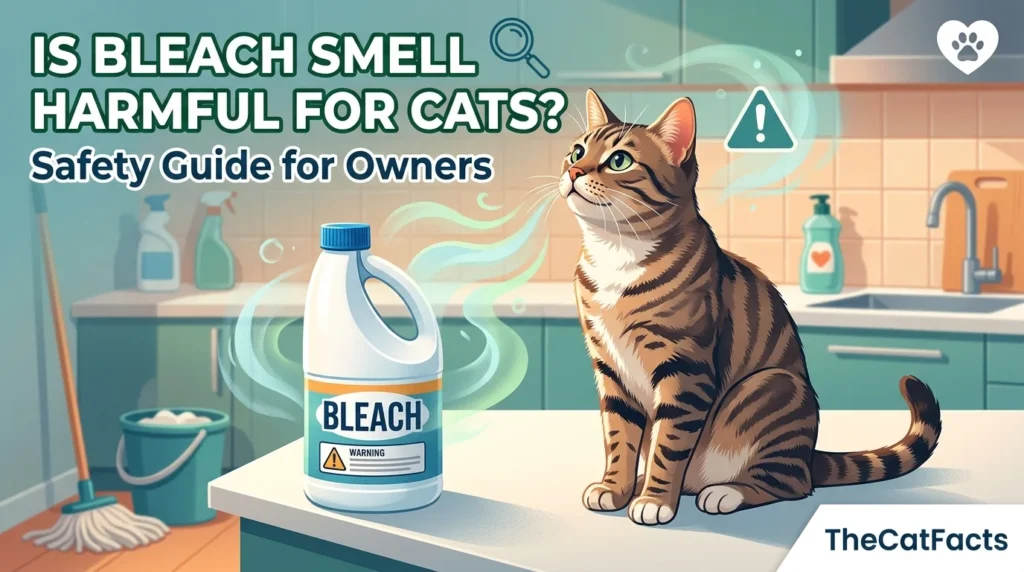
Cats are naturally curious, and many owners are surprised to find their cat rolling on the floor, rubbing against freshly cleaned surfaces, or sniffing areas that smell like bleach. While this behavior may seem amusing, it raises an important question: Is the smell of bleach harmful to cats?
The short answer is yes. Bleach fumes can irritate a cat’s eyes, nose, throat, and lungs. Direct contact or ingestion is even more dangerous and can cause chemical burns, poisoning, breathing problems, and other serious health issues. Although some cats appear attracted to bleach because its scent resembles compounds found in feline urine and pheromones, that attraction does not mean it is safe.
Understanding why cats react to bleach, recognizing the signs of exposure, and knowing how to clean your home safely can help protect your pet from unnecessary risks.
In this guide, you’ll learn:
- Why some cats seem to enjoy the smell of bleach
- Whether bleach fumes are dangerous
- Symptoms of bleach poisoning
- When exposure becomes a veterinary emergency
- Safe alternatives to bleach
- Practical cleaning tips for cat owners
- How to prevent accidental bleach poisoning
Is the Smell of Bleach Harmful for Cats?
Yes. Bleach fumes can irritate a cat’s respiratory system, eyes, and skin. While brief exposure to diluted bleach in a well-ventilated room is usually not life-threatening, concentrated fumes, direct contact, or ingestion can quickly become dangerous.
Household bleach contains chemicals called sodium hypochlorite, which are highly effective at killing bacteria, viruses, and mold. Unfortunately, these same chemicals can damage delicate tissues inside a cat’s body.
Cats have:
- Smaller lungs than humans
- Sensitive nasal passages
- Thin skin around the nose and paw pads
- A fast respiratory rate
Because of these differences, they can react more strongly to chemical fumes than people do.
Quick Safety Guide
| Situation | Risk Level |
| Smelling faint bleach after cleaning | Low if room is well ventilated |
| Walking on wet bleach | Moderate |
| Licking bleach residue | High |
| Drinking bleach solution | Emergency |
| Mixing bleach with ammonia cleaners | Extremely dangerous for both cats and humans |
Even if your cat appears healthy after exposure, continued contact with bleach fumes may lead to irritation or delayed symptoms.
Why Are Cats Attracted to the Smell of Bleach?
Many cats are drawn to bleach because some of its chemical compounds resemble substances naturally found in feline urine and scent markings. Their attraction is behavioral, not nutritional, and it does not mean bleach is safe.
This behavior often surprises pet owners because bleach has a strong odor that most people dislike.
Bleach Can Mimic Cat Pheromones
Cats rely heavily on scent to understand their surroundings.
Bleach releases chlorine-based compounds that may resemble chemicals found in:
- Cat urine
- Territorial scent markings
- Facial pheromones
- Sweat from paw pads
To a cat, these smells can seem familiar or interesting.
As a result, your cat may:
- Rub against recently cleaned floors
- Roll on bleach-scented laundry
- Sniff cleaned bathrooms
- Lick surfaces before the smell completely disappears
- Scratch or mark areas cleaned with bleach
This response varies among individual cats. Some completely ignore bleach, while others become intensely interested.
Their Powerful Sense of Smell Changes Everything
A cat’s sense of smell is estimated to be many times stronger than that of humans.
Cats possess approximately 200 million scent receptors, allowing them to detect odors that humans barely notice.
Because of this remarkable ability:
- Even small amounts of bleach can smell extremely strong.
- Residual odors remain noticeable long after humans can no longer detect them.
- Cats may continue investigating cleaned areas for several hours.
Curiosity Can Increase Exposure
Cats naturally investigate anything new in their environment.
A freshly cleaned kitchen or bathroom contains:
- New scents
- Different textures
- Wet surfaces
- Strong chemical odors
Curiosity often leads cats to sniff, lick, or walk across freshly cleaned areas, increasing the risk of exposure.
Why Bleach Is More Dangerous Than Many Owners Realize
Bleach exposure is not limited to poisoning. It can damage tissues through inhalation, skin contact, eye exposure, and ingestion. The severity depends on the concentration, duration of exposure, and the amount involved.
Many people assume bleach only becomes dangerous if swallowed.
In reality, problems can begin much earlier.
Inhaling Bleach Fumes
When bleach evaporates, chlorine-containing vapors enter the air.
Cats exposed to these fumes may experience:
- Eye irritation
- Sneezing
- Runny nose
- Coughing
- Increased breathing rate
- Difficulty breathing
Young kittens, senior cats, and cats with asthma or chronic respiratory disease are especially vulnerable.
Contact With Skin
Bleach can strip away natural oils that protect the skin.
After walking across wet bleach, a cat may develop:
- Red paw pads
- Skin irritation
- Pain
- Excessive paw licking
- Small chemical burns
Cats then groom themselves, increasing the chance of swallowing bleach residue.
Eye Exposure
Bleach splashes or fumes may irritate the eyes.
Possible symptoms include:
- Squinting
- Watery eyes
- Redness
- Pawing at the face
- Cloudy eyes in severe cases
Eye injuries should never be ignored because chemical damage can worsen quickly.
Ingestion Is the Greatest Risk
Swallowing bleach is far more dangerous than smelling it.
A cat may ingest bleach by:
- Drinking cleaning solution
- Grooming contaminated fur
- Licking floors
- Chewing bleach-soaked cloths
- Drinking from cleaning buckets
Bleach can burn tissues inside the:
- Mouth
- Tongue
- Throat
- Esophagus
- Stomach
Large amounts may also affect breathing and overall health.
What Happens If a Cat Smells Bleach?
Most cats exposed to mild bleach odors experience temporary irritation, but prolonged or concentrated exposure can cause respiratory distress and should not be ignored.
The effects depend on several factors:
- Bleach concentration
- Room ventilation
- Duration of exposure
- Individual sensitivity
- Age
- Existing health conditions
Mild Exposure
Many healthy cats recover quickly after leaving the area.
Possible mild symptoms include:
- Sneezing
- Temporary watery eyes
- Sniffing repeatedly
- Mild coughing
- Avoiding the room
These signs often improve once fresh air is available.
Moderate Exposure
Longer exposure can lead to:
- Frequent coughing
- Drooling
- Rapid breathing
- Restlessness
- Reduced appetite
- Vomiting after grooming
Veterinary evaluation is recommended if these symptoms continue.
Severe Exposure
Heavy exposure or inhalation in poorly ventilated areas may cause:
- Open-mouth breathing
- Wheezing
- Blue or pale gums
- Collapse
- Severe coughing
- Extreme lethargy
These symptoms require immediate emergency veterinary care.
Signs of Bleach Exposure in Cats
Recognizing early symptoms allows faster treatment and reduces the risk of serious complications.
Watch for any unusual behavior after using bleach.
Respiratory Signs
- Sneezing
- Coughing
- Wheezing
- Rapid breathing
- Labored breathing
- Open-mouth breathing
Digestive Signs
- Excessive drooling
- Vomiting
- Difficulty swallowing
- Loss of appetite
- Mouth pain
- Lip licking
Skin and Paw Signs
- Redness
- Swelling
- Excessive grooming
- Paw licking
- Skin irritation
- Chemical burns
Eye Signs
- Squinting
- Excessive tearing
- Red eyes
- Cloudy appearance
- Rubbing the eyes
Behavioral Changes
Some cats become noticeably different after exposure.
You may notice:
- Hiding
- Agitation
- Restlessness
- Reduced activity
- Refusal to eat
- Increased vocalization
Which Cats Are Most at Risk?
While any cat can be affected by bleach, some are much more sensitive and can develop symptoms after lower levels of exposure.
Kittens
Young kittens have:
- Developing lungs
- Smaller body size
- Immature immune systems
Even minor exposure can have a greater impact compared with healthy adults.
Senior Cats
Older cats often have reduced organ function and may recover more slowly from chemical irritation.
Cats With Asthma
Cats diagnosed with asthma or chronic bronchitis are particularly vulnerable to airborne chemicals.
Bleach fumes can trigger:
- Airway inflammation
- Asthma attacks
- Wheezing
- Difficulty breathing
Owners of asthmatic cats should avoid using bleach whenever possible.
Pregnant or Nursing Cats
Pregnant queens should be kept away from strong chemical cleaners to reduce stress and minimize unnecessary exposure to irritating fumes.
Cats With Chronic Illnesses
Cats suffering from:
- Heart disease
- Kidney disease
- Liver disease
- Immune disorders
may have a lower tolerance for chemical exposure and should be protected from bleach fumes whenever possible.
What Should You Do If Your Cat Is Exposed to Bleach?
Act quickly but stay calm. Remove your cat from the source of exposure, prevent further contact, and contact your veterinarian if your cat develops symptoms or has ingested bleach. Never try home remedies without professional advice.
The correct response depends on how your cat was exposed.
If Your Cat Inhaled Bleach Fumes
Move your cat to an area with fresh air immediately.
Then:
- Open windows and doors.
- Increase ventilation with fans if possible.
- Keep your cat calm and avoid exercise.
- Watch for coughing, wheezing, or rapid breathing.
- Contact your veterinarian if symptoms continue for more than a few minutes or worsen.
Cats with asthma or breathing disorders should be evaluated sooner because bleach fumes can trigger serious respiratory problems.
If Bleach Gets on Your Cat’s Fur
Bleach remaining on the coat can be swallowed during grooming.
Take these steps:
- Wear gloves if available.
- Rinse the affected area thoroughly with lukewarm water.
- Use a cat-safe shampoo if recommended by your veterinarian.
- Dry your cat with a clean towel.
- Prevent excessive grooming until the fur is completely clean.
Avoid using harsh soaps or additional cleaning chemicals.
If Bleach Gets Into the Eyes
Chemical exposure to the eyes is always considered urgent.
Immediately:
- Flush the eye with clean, lukewarm water or sterile saline for 10 to 15 minutes.
- Keep your cat as calm as possible.
- Seek veterinary care promptly.
Even if the eye appears normal afterward, damage may continue to develop.
If Your Cat Walked Across Wet Bleach
Bleach on the paws is a common source of accidental poisoning because cats groom themselves.
Clean each paw thoroughly using lukewarm water.
Check for:
- Redness
- Cracked paw pads
- Swelling
- Pain
- Excessive licking
Monitor your cat for digestive signs if grooming occurred before you cleaned the paws.
If Your Cat Drank Bleach
This is a veterinary emergency.
Do not:
- Force vomiting.
- Give salt.
- Give milk unless specifically instructed by a veterinarian.
- Administer medications without professional advice.
Instead:
- Remove access to the bleach.
- Offer fresh drinking water if your cat can swallow comfortably.
- Contact your veterinarian or an emergency veterinary clinic immediately.
- Take the bleach container with you if possible so the veterinary team knows the concentration involved.
Symptoms That Require Immediate Emergency Care
Certain signs indicate significant bleach exposure and require urgent veterinary attention.
Seek emergency care immediately if your cat develops:
- Difficulty breathing
- Open-mouth breathing
- Blue or gray gums
- Collapse
- Continuous vomiting
- Bloody vomit
- Difficulty swallowing
- Seizures
- Severe drooling
- Loss of consciousness
- Large chemical burns
- Eye injuries
- Refusal to drink after ingestion
Waiting for symptoms to improve on their own can delay treatment and increase the risk of complications.
How Veterinarians Diagnose Bleach Exposure
Diagnosis is based on your cat’s history, physical examination, symptoms, and the suspected amount of bleach involved.
Your veterinarian will ask questions such as:
- What type of bleach was used?
- Was it diluted?
- How long ago did exposure occur?
- Did your cat inhale, lick, or drink it?
- What symptoms have appeared?
Providing accurate information helps determine the most appropriate treatment.
Physical Examination
The veterinarian may examine:
- Mouth and tongue for burns
- Eyes for irritation
- Skin and paw pads
- Heart rate
- Breathing
- Body temperature
- Hydration status
Diagnostic Tests
Not every cat needs laboratory testing.
If symptoms are moderate or severe, your veterinarian may recommend:
| Test | Purpose |
| Blood tests | Evaluate organ function and hydration |
| Urinalysis | Assess kidney health |
| Chest X-rays | Check for lung irritation or aspiration |
| Oxygen monitoring | Measure blood oxygen levels |
| Eye examination | Detect corneal injury after chemical exposure |
Testing depends on the severity of exposure rather than the smell alone.
Veterinary Treatment for Bleach Poisoning
Treatment focuses on reducing chemical damage, supporting breathing, controlling pain, and preventing complications.
No single antidote exists for bleach poisoning.
Instead, treatment is tailored to the cat’s condition.
Oxygen Therapy
Cats struggling to breathe may receive supplemental oxygen.
This helps improve oxygen levels while irritated airways recover.
Intravenous Fluids
Cats that have vomited or become dehydrated often receive IV fluids to maintain circulation and support recovery.
Pain Management
Chemical burns inside the mouth or throat can be painful.
Veterinarians may prescribe medications to improve comfort while healing occurs.
Never give human pain medications to cats.
Medications
Depending on the situation, treatment may include:
- Anti-nausea medication
- Eye medications
- Protective medications for the digestive tract
- Antibiotics if secondary infection develops
- Bronchodilators for cats with airway disease
Medications should only be used under veterinary supervision.
Hospitalization
Cats with severe poisoning may remain hospitalized for:
- Oxygen support
- Fluid therapy
- Frequent monitoring
- Nutritional support
- Pain control
Hospitalization improves survival in serious cases.
Can Bleach Cause Long-Term Problems?
Most cats recover completely after mild exposure, but severe poisoning can lead to lasting damage, especially if treatment is delayed.
Potential long-term complications include:
- Chronic airway irritation
- Scarring of the mouth or esophagus
- Persistent eye damage
- Reduced appetite during healing
- Secondary infections after chemical burns
Prompt veterinary treatment greatly reduces the risk of permanent injury.
Recovery Timeline
Recovery depends on the amount of bleach involved and how quickly treatment begins.
| Exposure Severity | Typical Recovery |
| Mild fumes | Several hours to 24 hours |
| Mild skin irritation | 1 to 3 days |
| Eye irritation | Several days with treatment |
| Mild ingestion | Several days |
| Severe poisoning | Days to several weeks |
Your veterinarian may recommend follow-up visits for cats with significant burns or respiratory injury.
Is Bleach Safe After It Dries?
Dry bleach residue is generally less hazardous than wet bleach, but it should never be considered completely safe for cats.
Residue may remain on:
- Floors
- Countertops
- Food bowls
- Litter box areas
- Toys
- Bedding
Cats frequently lick these surfaces while grooming.
For this reason:
- Always rinse surfaces that pets may contact.
- Allow cleaned areas to dry completely.
- Ventilate the room before allowing pets back inside.
Safe Cleaning Alternatives for Cat Owners
Pet-friendly cleaners are often a safer choice than bleach for routine household cleaning.
Some safer options include:
| Cleaner | Suitable Around Cats? | Notes |
| Mild dish soap | Yes | Good for routine cleaning |
| Pet-safe enzymatic cleaners | Yes | Excellent for urine stains |
| Warm water | Yes | Safe for everyday wiping |
| Veterinary-approved disinfectants | Yes | Follow label directions |
| Diluted white vinegar (used carefully) | Sometimes | Avoid mixing with bleach |
Always follow the manufacturer’s instructions, even with pet-safe products.
Avoid Mixing Cleaning Products
Never mix bleach with:
- Ammonia
- Vinegar
- Toilet bowl cleaners
- Acid-based cleaners
- Alcohol
- Hydrogen peroxide unless specifically instructed by the product label
Mixing chemicals can release toxic gases that are dangerous for both people and pets.
How to Clean Safely If You Own Cats
Good cleaning habits reduce the risk of accidental exposure without sacrificing hygiene.
Follow this checklist every time you clean.
Safe Cleaning Checklist
✔ Remove your cat from the room.
✔ Wear gloves.
✔ Dilute bleach exactly as directed.
✔ Never use more bleach than necessary.
✔ Open windows for ventilation.
✔ Rinse surfaces your cat may lick.
✔ Allow surfaces to dry completely.
✔ Store cleaning products securely.
✔ Dispose of cleaning cloths safely.
✔ Wash your hands before handling your cat.
These simple habits significantly reduce the chance of bleach-related accidents.
Common Mistakes Cat Owners Make With Bleach
Most bleach-related accidents are preventable. Understanding the most common mistakes can help keep your cat safe.
Even experienced cat owners may unintentionally expose their pets to harmful chemicals during routine cleaning.
Letting Cats Back Into the Room Too Soon
A freshly cleaned floor may still have wet bleach residue or lingering fumes.
Always wait until:
- Surfaces are completely dry.
- The room has been well ventilated.
- The bleach smell has mostly disappeared.
Using Too Much Bleach
More bleach does not mean better cleaning.
Using concentrated bleach increases:
- Airborne fumes
- Skin irritation
- Risk of poisoning
- Chemical residue on surfaces
Always dilute bleach according to the product label.
Forgetting That Cats Groom Constantly
Cats spend a large part of their day grooming.
Even a small amount of bleach on:
- Paw pads
- Fur
- Belly
- Tail
can be swallowed during grooming.
Leaving Cleaning Buckets Unattended
Open buckets containing bleach solution are a serious hazard.
Curious cats may:
- Drink the liquid
- Step inside
- Splash bleach onto their face
- Walk through the solution
Always empty buckets immediately after use.
Storing Bleach Within Reach
Store bleach:
- In its original container
- With the lid tightly closed
- Inside a locked cabinet
- Away from pet food and litter supplies
Never transfer bleach into food or drink containers.
Bleach Products That Pose the Greatest Risk
Some bleach-containing products are more dangerous because they are more concentrated or easier for cats to access.
Common household sources include:
| Product | Potential Risk |
| Liquid household bleach | High |
| Toilet bowl cleaners with bleach | High |
| Mold removers | High |
| Bathroom disinfectants | Moderate to high |
| Kitchen disinfectant sprays | Moderate |
| Laundry bleach | High |
| Pool chlorine products | Very high |
| Bleach cleaning wipes | Moderate if chewed |
Pool chemicals and concentrated industrial bleach products are especially hazardous and should never be accessible to pets.
Bleach Versus Other Household Cleaners
Not all cleaning products pose the same level of risk, but any household chemical should be used carefully around cats.
| Cleaner | Risk to Cats | Main Concern |
| Bleach | High | Chemical burns and respiratory irritation |
| Ammonia | High | Strong fumes and airway irritation |
| Phenol-based cleaners | Very high | Toxic if absorbed or ingested |
| Enzymatic pet cleaners | Low | Generally safe when used correctly |
| Mild dish soap | Low | May cause mild stomach upset if ingested |
| Pet-safe disinfectants | Low | Follow label directions carefully |
Choosing products specifically labeled as pet safe can reduce the likelihood of accidental exposure.
Bleach Myths vs Facts
Understanding the facts helps owners make better decisions.
| Myth | Fact |
| Cats love bleach, so it must be safe. | Attraction does not mean it is harmless. |
| A little bleach cannot hurt a cat. | Even small amounts can irritate sensitive cats. |
| If I cannot smell bleach anymore, it is completely gone. | Cats have a much stronger sense of smell than humans. |
| Bleach is the only way to disinfect a home. | Many effective pet-safe disinfectants are available. |
| Only swallowing bleach is dangerous. | Inhalation, eye contact, and skin exposure can also cause injury. |
| Outdoor ventilation is unnecessary. | Good airflow helps reduce harmful fumes. |
Veterinary Advice for Safe Bleach Use Around Cats
Veterinarians generally recommend limiting bleach use whenever possible, especially in homes with kittens, senior cats, or cats with respiratory disease.
If bleach must be used:
- Dilute it properly.
- Keep pets away during cleaning.
- Rinse food preparation areas thoroughly.
- Allow surfaces to dry.
- Ventilate the room well.
- Never spray bleach directly near your cat.
- Keep cleaning products locked away after use.
If you are unsure whether a disinfectant is safe, ask your veterinarian before using it around your pets.
Expert Tips to Protect Your Cat From Household Chemicals
Following a few simple habits can greatly reduce the risk of accidental poisoning.
Daily Safety Tips
- Keep all cleaning products in closed cabinets.
- Read product labels before use.
- Clean one room at a time so your cat has a safe space.
- Wash reusable cleaning cloths after each use.
- Replace damaged chemical containers immediately.
- Keep kittens away from recently cleaned floors.
- Avoid heavily scented cleaning products whenever possible.
Multi-Cat Household Tips
If you have several cats:
- Separate them from cleaning areas.
- Watch for cats grooming one another after exposure.
- Clean shared food bowls after disinfecting nearby surfaces.
- Ensure all cats have access to a clean, chemical-free resting area.
When to Contact Your Veterinarian
Contact your veterinarian whenever you suspect your cat has swallowed bleach, developed breathing problems, or has persistent symptoms after exposure.
Do not wait if your cat has:
- Repeated vomiting
- Difficulty breathing
- Severe drooling
- Burns in the mouth
- Eye injuries
- Trouble swallowing
- Collapse
- Unusual weakness
Early treatment often results in a faster recovery and fewer complications.
Quick Safety Checklist
Use this checklist to reduce bleach-related risks in your home.
Before Cleaning
✔ Move your cat to another room.
✔ Gather cleaning supplies.
✔ Open windows for ventilation.
✔ Wear protective gloves.
During Cleaning
✔ Dilute bleach correctly.
✔ Never mix bleach with other cleaners.
✔ Keep buckets and bottles out of reach.
✔ Prevent your cat from entering the area.
After Cleaning
✔ Rinse surfaces your cat may touch.
✔ Allow surfaces to dry completely.
✔ Dispose of leftover bleach safely.
✔ Wash your hands before handling your cat.
✔ Return your cat only after the room is well ventilated.
Conclusion
Bleach is an effective household disinfectant, but it should always be used cautiously around cats. Although some cats seem attracted to its scent because it resembles certain natural feline odor compounds, this attraction does not make bleach safe. Even brief exposure to concentrated fumes can irritate the eyes and respiratory tract, while direct contact or ingestion can lead to chemical burns and poisoning.
The safest approach is to minimize your cat’s exposure by cleaning in well-ventilated areas, using bleach only when necessary, following dilution instructions carefully, and keeping your cat away until all surfaces are dry. Pet-safe cleaning products are often a better choice for everyday household use.
If your cat develops breathing difficulties, excessive drooling, vomiting, eye irritation, or has swallowed bleach, seek veterinary care immediately. Quick action can prevent complications and help your cat recover safely.
FAQs
Is bleach smell toxic to cats?
Bleach fumes can irritate a cat’s eyes, nose, throat, and lungs. Mild exposure in a well-ventilated room may only cause temporary discomfort, but concentrated fumes or prolonged exposure can become dangerous, especially for kittens, senior cats, and cats with asthma.
Why does my cat roll on the floor after I use bleach?
Some cats are attracted to bleach because certain chemical compounds resemble substances found in feline scent markings or urine. This behavior is instinctive and does not mean the product is safe. Prevent your cat from accessing recently cleaned areas.
Can smelling bleach alone poison a cat?
Brief exposure to mild bleach odors is unlikely to cause poisoning in most healthy cats. However, concentrated fumes can irritate the respiratory tract and may trigger breathing problems in sensitive cats. Good ventilation is important whenever bleach is used.
What happens if my cat licks bleach from the floor?
Licking bleach residue can cause drooling, mouth irritation, vomiting, difficulty swallowing, and chemical burns. Contact your veterinarian immediately if you suspect your cat has ingested bleach, even if symptoms appear mild at first.
How long should I keep my cat away after cleaning with bleach?
Keep your cat out of the cleaned area until surfaces are completely dry and the room has been thoroughly ventilated. This usually takes at least several hours, depending on airflow and the amount of bleach used.
Is diluted bleach safe around cats?
Properly diluted bleach is less hazardous than concentrated bleach, but it should still be used carefully. Cats should not have access to wet surfaces, cleaning buckets, or bleach residue, and all pet-contact surfaces should be rinsed thoroughly when appropriate.
Can bleach trigger asthma in cats?
Yes. Cats with asthma or chronic respiratory disease are particularly sensitive to bleach fumes. Exposure may trigger coughing, wheezing, or difficulty breathing, making it important to use alternative cleaning products whenever possible.
What should I do if bleach gets on my cat’s paws?
Rinse your cat’s paws immediately with lukewarm water to remove the chemical. Dry the paws gently and monitor for redness, swelling, or excessive licking. Contact your veterinarian if irritation develops or if your cat may have ingested bleach while grooming.
Are bleach cleaning wipes dangerous for cats?
Yes. Used or unused bleach wipes can expose cats to chemical residue if they chew, lick, or play with them. Dispose of wipes promptly in a secure trash container that pets cannot access.
What is the safest disinfectant for homes with cats?
Pet-safe disinfectants and enzymatic cleaners are generally safer choices for routine cleaning. Always follow the manufacturer’s instructions and keep cats away from treated surfaces until they are dry.

Jack Turner is a Pet Care Content Writer with more than 9 years of experience creating informative, engaging, and research based content focused on companion animal care, pet health, behavior, nutrition, grooming, and responsible ownership. He specializes in transforming expert pet care information into simple and practical resources that help pet owners make better decisions for their animals.