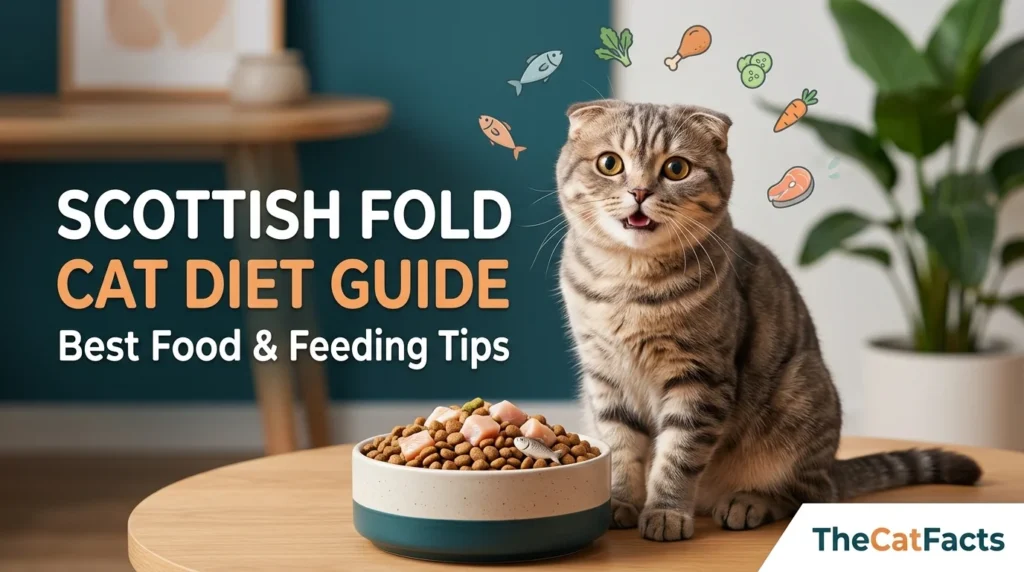
Scottish Fold cats are known for their adorable folded ears, gentle personalities, and affectionate nature. While their unique appearance makes them one of the most recognizable cat breeds, it also comes with specific health considerations, particularly involving their bones and joints. A balanced, species-appropriate diet plays a major role in supporting their overall health, maintaining a healthy weight, and improving their quality of life.
Unlike many other breeds, Scottish Folds may be genetically predisposed to cartilage and skeletal problems. Although nutrition cannot prevent inherited conditions, feeding a complete and balanced diet can help support healthy muscles, joints, skin, coat, and immune function while reducing the risk of obesity, which places extra stress on their joints.
This comprehensive guide explains everything you need to know about feeding a Scottish Fold, from choosing the best foods to creating a healthy feeding schedule, avoiding dangerous ingredients, and understanding nutritional needs throughout every stage of life.
What Is the Ideal Scottish Fold Cat Diet?
A Scottish Fold cat should eat a nutritionally complete, high-protein diet that supports muscle maintenance, joint health, healthy body weight, and overall wellness. Most veterinarians recommend commercial cat foods that meet established nutritional standards while providing animal-based protein as the primary ingredient.
Since cats are obligate carnivores, their bodies rely on nutrients found naturally in meat. Their diet should focus on high-quality animal proteins rather than excessive carbohydrates or plant fillers.
An ideal Scottish Fold diet includes:
- High-quality animal protein
- Moderate healthy fats
- Essential vitamins and minerals
- Controlled carbohydrate levels
- Adequate moisture intake
- Balanced calcium and phosphorus
- Taurine
- Omega-3 fatty acids
Providing complete nutrition every day helps reduce nutritional deficiencies and supports long-term health.
Why Diet Matters for Scottish Fold Cats
Proper nutrition does far more than satisfy hunger. It influences nearly every body system.
A well-balanced diet helps support:
- Healthy bone development
- Strong muscles
- Flexible joints
- Healthy cartilage
- Brain function
- Digestive health
- Healthy skin and coat
- Immune function
- Dental health
- Ideal body condition
Because Scottish Folds often have reduced activity compared to highly energetic breeds, overeating can quickly lead to obesity. Excess body weight increases pressure on joints that may already be vulnerable because of inherited cartilage abnormalities.
Maintaining a lean body condition is one of the best long-term health strategies for this breed.
Understanding the Nutritional Needs of Scottish Fold Cats
Scottish Fold cats have nutritional requirements similar to other domestic cats, but careful attention to body weight and joint support is especially important.
Protein Requirements
Protein is the foundation of every healthy feline diet.
Cats require protein to:
- Build muscle
- Repair tissues
- Produce enzymes
- Maintain immune health
- Support organ function
Look for foods where real animal protein is the first ingredient, such as:
- Chicken
- Turkey
- Duck
- Rabbit
- Beef
- Lamb
- Salmon
- Tuna (occasionally)
- Whitefish
Adult Scottish Fold cats generally thrive on foods containing approximately 30% to 40% protein on a dry matter basis, although exact needs vary depending on age, health status, and activity level.
Healthy Fats
Dietary fat provides energy while supporting healthy skin, brain function, and vitamin absorption.
Beneficial fat sources include:
- Chicken fat
- Fish oil
- Salmon oil
- Sardine oil
Healthy fats also improve coat softness and help reduce dry skin.
Omega-3 Fatty Acids
Omega-3 fatty acids are especially valuable for Scottish Fold cats because they help support joint comfort and reduce inflammation associated with aging.
Common sources include:
- Salmon oil
- Krill oil
- Sardines
- Anchovies
These fatty acids may also benefit:
- Skin
- Coat
- Heart
- Brain
- Eyes
Always consult your veterinarian before adding supplements, as excessive amounts can cause digestive upset or interfere with certain medications.
Taurine
Taurine is an essential amino acid that cats cannot produce in sufficient amounts.
Without adequate taurine, cats may develop:
- Vision problems
- Heart disease
- Reproductive issues
- Immune dysfunction
Complete commercial cat foods contain appropriate taurine levels, making supplementation unnecessary unless advised by a veterinarian.
Vitamins and Minerals
Scottish Fold cats require balanced levels of:
| Nutrient | Why It Matters |
| Calcium | Healthy bones and teeth |
| Phosphorus | Bone growth and energy production |
| Vitamin A | Vision and immune health |
| Vitamin D | Calcium regulation |
| Vitamin E | Antioxidant protection |
| Zinc | Skin and coat health |
| Iron | Healthy red blood cells |
| Selenium | Immune support |
| Copper | Enzyme function |
Avoid giving separate vitamin supplements unless prescribed, as excessive intake can be harmful.
Scottish Fold Nutrition Through Every Life Stage
A cat’s nutritional needs change significantly throughout its life.
Kitten (Birth to 12 Months)
Scottish Fold kittens require higher calories and protein to support rapid growth.
Their diet should include:
- High protein
- Higher fat content
- DHA for brain development
- Balanced calcium
- Controlled phosphorus
- Plenty of fresh water
Kittens typically need several small meals each day.
Adult (1 to 7 Years)
Healthy adult Scottish Folds require balanced nutrition to maintain muscle mass without excessive calorie intake.
Goals include:
- Maintaining lean body weight
- Preventing obesity
- Supporting joint health
- Preserving healthy digestion
Adults usually do well with measured meals rather than unlimited free feeding.
Senior (7 Years and Older)
Older Scottish Fold cats may experience reduced mobility and slower metabolism.
Senior diets often include:
- Easily digestible proteins
- Controlled calories
- Increased omega-3 fatty acids
- Joint-supporting nutrients
- Moderate phosphorus levels when appropriate
Senior cats should receive regular veterinary examinations to identify any medical conditions that require dietary adjustments.
Best Foods for Scottish Fold Cats
The best food is one that is nutritionally complete, appropriate for your cat’s age and health, and made with high-quality ingredients.
Look for foods containing:
- Named animal protein first
- Animal fat sources
- Taurine
- Omega-3 fatty acids
- Vitamins and minerals
- Moderate carbohydrate levels
Ingredients to Look For
High-quality ingredients include:
- Chicken
- Turkey
- Salmon
- Duck
- Rabbit
- Eggs
- Chicken liver
- Fish oil
- Pumpkin
- Sweet potato (in moderation)
Ingredients to Limit
Some ingredients are not necessarily harmful but offer less nutritional value when used excessively.
These include:
- Large amounts of corn
- Wheat fillers
- Soy protein concentrates
- Artificial colors
- Excessive sugar
- High-sodium additives
Reading ingredient labels helps you compare products beyond marketing claims.
Wet Food vs Dry Food for Scottish Fold Cats
Both wet and dry food can be healthy choices when they are complete and balanced.
Many veterinarians recommend feeding a combination of both to provide hydration benefits while supporting dental enrichment and dietary variety.
| Feature | Wet Food | Dry Food |
| Moisture | Very high | Low |
| Protein | Often higher | Varies |
| Calories | Usually lower per serving | More calorie dense |
| Hydration | Excellent | Limited |
| Shelf Life | Short after opening | Longer |
| Cost | Generally higher | Usually lower |
Benefits of Wet Food
Wet food offers several advantages.
It helps:
- Increase water intake
- Support urinary health
- Improve satiety
- Benefit cats with dental discomfort
- Encourage picky eaters
Benefits of Dry Food
Dry food can also be useful.
Advantages include:
- Convenient storage
- Easy portion measurement
- Longer freshness after opening
- Useful in food puzzles
- Generally lower cost
A mixed feeding approach often provides the advantages of both.
Creating the Right Feeding Schedule
A consistent feeding routine supports healthy digestion and helps prevent overeating.
Kittens
- 4 to 5 meals daily
- Small portions
- Regular schedule
Young Adults
- 2 to 3 meals daily
- Measured portions
- Fresh water always available
Adults
- 2 meals daily
- Avoid constant free feeding
- Monitor weight monthly
Seniors
- 2 to 3 smaller meals
- Adjust calories if activity decreases
- Monitor appetite closely
Consistency helps maintain a healthy metabolism and allows owners to notice appetite changes that may signal illness.
How Much Should a Scottish Fold Eat?
There is no single serving size for every Scottish Fold.
Daily food intake depends on:
- Age
- Weight
- Activity level
- Indoor or outdoor lifestyle
- Neuter status
- Health conditions
- Food calorie density
Always use the feeding guidelines on the food packaging as a starting point, then adjust based on your cat’s body condition and your veterinarian’s recommendations.
Portion Control Tips
To prevent weight gain:
- Measure every meal.
- Use a kitchen scale or measuring cup.
- Avoid frequent table scraps.
- Limit treats to no more than 10% of daily calories.
- Reassess portions every few months.
Regular weight checks are one of the easiest ways to catch gradual weight gain before it becomes a health problem.
Foods Scottish Fold Cats Should Never Eat
Some human foods are toxic or dangerous for cats, even in small amounts.
| Food | Why It Is Dangerous |
| Chocolate | Contains theobromine and caffeine |
| Onions | Can damage red blood cells |
| Garlic | Toxic even in small amounts |
| Grapes | May cause kidney damage |
| Raisins | Linked to kidney failure |
| Alcohol | Affects the nervous system |
| Xylitol | Can cause severe illness |
| Raw bread dough | Expands in the stomach and produces alcohol |
| Cooked bones | Can splinter and injure the digestive tract |
| Excess fatty foods | May trigger digestive upset or pancreatitis |
If your cat eats a potentially toxic food, contact your veterinarian immediately rather than waiting for symptoms to appear.
Quick Nutrition Comparison Table
| Life Stage | Protein Needs | Fat Needs | Feeding Frequency | Primary Goal |
| Kitten | Very High | High | 4 to 5 meals | Growth and development |
| Adult | High | Moderate | 2 meals | Weight maintenance |
| Senior | High quality, digestible | Moderate | 2 to 3 meals | Joint support and healthy aging |
Choosing a High-Quality Cat Food Checklist
Before purchasing a new food, ask yourself:
- Is real animal protein listed as the first ingredient?
- Does the food provide complete and balanced nutrition?
- Is it appropriate for your cat’s life stage?
- Does it contain taurine?
- Does it include healthy omega-3 fatty acids?
- Is the calorie content suitable for your cat’s activity level?
- Are artificial colors and unnecessary fillers kept to a minimum?
- Does your cat enjoy eating it without digestive problems?
Selecting food based on nutritional quality rather than marketing claims can make a significant difference in your Scottish Fold’s long-term health.
Special Diets for Scottish Fold Cats
A Scottish Fold’s diet should be tailored to its age, activity level, body condition, and overall health. While healthy cats can usually eat a complete commercial diet, some may require specialized nutrition to manage weight, digestive sensitivity, allergies, or chronic health conditions.
Consult your veterinarian before making significant dietary changes, especially if your cat has a diagnosed medical condition.
Diet for Indoor Scottish Fold Cats
Indoor Scottish Folds often burn fewer calories than outdoor cats. Their lower activity level increases the risk of obesity if calorie intake is not carefully managed.
A healthy indoor diet should include:
- High-quality animal protein
- Moderate fat
- Controlled calorie content
- Adequate fiber for digestive health
- Plenty of fresh water
Daily play sessions also help maintain a healthy weight and muscle tone.
Diet for Outdoor Scottish Fold Cats
Outdoor cats generally use more energy exploring, climbing, and hunting.
These cats may need:
- Slightly higher calorie intake
- Additional protein for muscle maintenance
- Reliable hydration
- Routine parasite prevention
Even outdoor cats should receive measured meals instead of unlimited feeding.
Diet for Neutered or Spayed Cats
After neutering or spaying, many cats experience:
- Reduced calorie requirements
- Increased appetite
- Slower metabolism
- Greater risk of weight gain
To maintain a healthy weight:
- Measure every meal.
- Avoid overfeeding treats.
- Encourage daily exercise.
- Monitor body condition every month.
Many pet food manufacturers offer formulas specifically designed for sterilized cats.
Nutrition for Joint Health
Scottish Fold cats are prone to cartilage and joint problems due to a genetic mutation that affects cartilage development. While diet cannot cure this condition, proper nutrition can support joint comfort and mobility.
Nutrients That Support Healthy Joints
Several nutrients may help maintain healthy joints.
| Nutrient | Potential Benefits |
| Omega-3 fatty acids | Support normal inflammatory response |
| Glucosamine | Supports cartilage health |
| Chondroitin | Helps maintain joint cartilage |
| High-quality protein | Maintains muscle mass |
| Vitamin E | Antioxidant support |
| Manganese | Supports connective tissue |
Some premium cat foods include these ingredients, while others may require veterinary-approved supplements.
Why Maintaining a Healthy Weight Matters
Even a small amount of excess body weight places additional stress on joints.
Healthy weight management may help:
- Improve mobility
- Reduce joint strain
- Increase activity
- Support overall quality of life
- Lower the risk of obesity-related diseases
Keeping your Scottish Fold lean is one of the most effective ways to support long-term joint health.
Weight Management for Scottish Fold Cats
Obesity is one of the most common nutritional problems in pet cats.
A Scottish Fold that carries extra weight may be at increased risk for:
- Joint discomfort
- Diabetes
- Urinary disease
- Reduced activity
- Heart strain
- Shorter lifespan
Signs Your Cat May Be Overweight
Your cat may be overweight if:
- You cannot easily feel the ribs.
- The waist is difficult to see from above.
- The belly hangs noticeably.
- Your cat tires easily during play.
- Grooming becomes difficult.
Your veterinarian can perform a body condition score to determine whether your cat is at a healthy weight.
Safe Weight Loss Tips
Weight loss should always be gradual.
A healthy plan includes:
- Measure food accurately.
- Reduce calories only under veterinary guidance.
- Increase interactive play.
- Feed multiple small meals.
- Avoid high-calorie treats.
- Recheck weight every few weeks.
Rapid weight loss can be dangerous for cats and may lead to hepatic lipidosis (fatty liver disease).
Homemade Diets for Scottish Fold Cats
Homemade diets can be prepared safely, but they require careful planning to meet all of a cat’s nutritional needs.
Many homemade recipes found online lack essential nutrients such as taurine, calcium, and certain vitamins.
Advantages of Homemade Diets
Potential benefits include:
- Ingredient control
- Fresh food preparation
- Customization for food sensitivities
- Avoidance of unnecessary additives
Challenges
Homemade diets can also present challenges.
These include:
- Nutritional imbalance
- Time-consuming preparation
- Difficulty meeting vitamin requirements
- Food safety concerns
- Higher cost
If you wish to prepare homemade meals, work with a veterinary nutritionist to develop a complete and balanced recipe.
Is a Raw Diet Good for Scottish Fold Cats?
Raw feeding remains a topic of debate among veterinarians.
Some owners believe raw diets are more natural, while veterinary organizations caution that improperly prepared raw food may contain harmful bacteria and nutritional deficiencies.
Potential Benefits
Supporters report:
- Improved coat quality
- High protein intake
- Increased palatability
Potential Risks
Possible risks include:
- Salmonella contamination
- E. coli infection
- Nutritional imbalance
- Bone injuries
- Risk to people handling raw meat
Commercial raw diets formulated to meet nutritional standards are generally safer than homemade raw diets, but they still require careful handling.
Best Treats for Scottish Fold Cats
Treats should complement, not replace, a balanced diet.
Healthy treat options include:
- Freeze-dried chicken
- Freeze-dried salmon
- Small cooked chicken pieces
- Commercial dental treats
- Catnip treats in moderation
Avoid giving treats containing excessive sugar, salt, or artificial ingredients.
The 10 Percent Rule
Treats should make up no more than 10 percent of your cat’s total daily calorie intake.
Too many treats can lead to:
- Weight gain
- Nutritional imbalance
- Picky eating habits
Hydration and Water Intake
Cats naturally have a low thirst drive, making adequate hydration especially important.
Proper water intake supports:
- Kidney health
- Urinary tract function
- Digestion
- Temperature regulation
Ways to Encourage Drinking
Try these strategies:
- Provide multiple water bowls.
- Use a pet water fountain.
- Feed wet food regularly.
- Refresh water daily.
- Place bowls away from litter boxes.
Many cats prefer wide, shallow bowls that prevent their whiskers from touching the sides.
Transitioning to a New Cat Food
Changing foods too quickly can upset your cat’s digestive system.
A gradual transition allows beneficial gut bacteria to adjust.
Recommended Transition Schedule
| Days | Old Food | New Food |
| 1 to 2 | 75% | 25% |
| 3 to 4 | 50% | 50% |
| 5 to 6 | 25% | 75% |
| Day 7 onward | 0% | 100% |
If vomiting, diarrhea, or refusal to eat occurs, slow the transition and consult your veterinarian if symptoms persist.
Common Feeding Mistakes
Many well-meaning owners accidentally make feeding mistakes that can affect their cat’s health.
Avoid these common errors:
- Leaving food available all day.
- Feeding excessive treats.
- Ignoring calorie content.
- Offering unsafe human foods.
- Switching diets suddenly.
- Feeding dog food.
- Overusing supplements.
- Assuming all grain-free foods are healthier.
- Not measuring portions.
- Ignoring gradual weight gain.
Correcting these habits can significantly improve your cat’s long-term health.
Reading Cat Food Labels
Understanding food labels helps you choose better nutrition.
Look for:
- Named meat as the first ingredient
- Complete and balanced statement
- Appropriate life stage
- Feeding guidelines
- Calorie information
- Expiration date
Avoid selecting food based only on attractive packaging or marketing terms.
Veterinary Advice for Feeding Scottish Fold Cats
Every Scottish Fold is different, and no single diet is perfect for every cat.
Seek veterinary guidance if your cat:
- Loses weight unexpectedly.
- Gains weight rapidly.
- Stops eating for more than 24 hours.
- Vomits frequently.
- Has chronic diarrhea.
- Drinks excessive amounts of water.
- Shows difficulty chewing.
- Develops joint stiffness or reduced mobility.
Routine wellness examinations allow your veterinarian to monitor your cat’s nutritional status and recommend dietary adjustments as your cat ages.
Daily Feeding Checklist
Use this checklist to help keep your Scottish Fold healthy every day.
- Feed measured portions based on your cat’s needs.
- Provide fresh, clean water at all times.
- Choose a complete and balanced cat food.
- Include wet food if possible to increase moisture intake.
- Limit treats to less than 10 percent of daily calories.
- Monitor your cat’s weight monthly.
- Encourage at least 20 to 30 minutes of interactive play each day.
- Clean food and water bowls regularly.
- Store cat food according to the manufacturer’s instructions.
- Schedule regular veterinary checkups to review your cat’s diet and body condition.
Diet Adjustments for Common Health Conditions
Certain health problems may require changes to your Scottish Fold’s diet. Never switch to a therapeutic diet without first consulting your veterinarian.
Arthritis and Joint Disease
Scottish Fold cats are genetically predisposed to a condition called osteochondrodysplasia, which affects cartilage and bone development. Cats with joint disease benefit from maintaining a healthy weight to reduce stress on painful joints.
A veterinarian may recommend a diet that includes:
- Controlled calories
- High-quality protein
- Omega-3 fatty acids
- Joint-supporting nutrients
- Antioxidants
Food Allergies and Sensitivities
Although true food allergies are uncommon, some cats develop sensitivities to certain proteins or ingredients.
Possible signs include:
- Itchy skin
- Hair loss
- Ear infections
- Vomiting
- Chronic diarrhea
Your veterinarian may recommend a limited-ingredient or hydrolyzed protein diet to identify the trigger.
Kidney Disease
Senior Scottish Fold cats may develop chronic kidney disease.
Nutritional management often includes:
- Controlled phosphorus
- Moderate protein from high-quality sources
- Increased moisture
- Balanced minerals
Prescription kidney diets should only be fed under veterinary supervision.
Diabetes
Overweight cats have a higher risk of developing diabetes mellitus.
Nutritional goals include:
- Weight management
- High-protein nutrition
- Controlled carbohydrates
- Consistent meal times
Some diabetic cats require prescription diets and insulin therapy.
Sensitive Stomach
Cats with digestive issues often benefit from highly digestible foods containing:
- Easily digested proteins
- Moderate fat
- Prebiotics
- Probiotics
- Added fiber when appropriate
Persistent digestive problems always require veterinary evaluation.
Signs Your Scottish Fold May Have a Poor Diet
A balanced diet should support your cat’s overall health and energy. Nutritional deficiencies or excesses often appear gradually.
Watch for these warning signs:
- Dull or greasy coat
- Excessive shedding
- Dry, flaky skin
- Weight gain
- Weight loss
- Low energy
- Poor muscle condition
- Bad breath
- Frequent digestive upset
- Constipation
- Diarrhea
- Increased hunger
- Poor growth in kittens
If these signs continue despite feeding a complete diet, schedule a veterinary examination.
Emergency Warning Signs
Some symptoms require immediate veterinary attention and should never be treated by changing food alone.
Seek emergency care if your Scottish Fold:
- Stops eating for more than 24 hours.
- Cannot stand or walk normally.
- Has repeated vomiting.
- Experiences severe diarrhea.
- Has difficulty breathing.
- Appears extremely weak.
- Shows signs of severe pain.
- Has blood in vomit or stool.
- Cannot urinate.
- Eats a toxic food or poisonous substance.
Prompt treatment greatly improves the chances of recovery.
Sample Daily Feeding Routine
The exact schedule depends on your cat’s age and lifestyle, but this example works well for many healthy adult Scottish Folds.
| Time | Activity |
| Morning | Serve measured breakfast and refresh water |
| Midday | Interactive play session and small treat if appropriate |
| Evening | Serve measured dinner |
| Night | Check water bowls and remove leftover wet food |
Maintaining a consistent routine helps regulate appetite and makes it easier to notice changes in eating habits.
Body Condition Score Guide
Instead of focusing only on body weight, veterinarians evaluate a cat’s Body Condition Score (BCS).
| Body Condition | Description |
| Too Thin | Ribs and spine are very prominent, little body fat |
| Ideal | Ribs easily felt with a visible waist from above |
| Overweight | Waist is less visible, slight fat covering over ribs |
| Obese | Large fat deposits, no visible waist, abdominal fat pad |
Your veterinarian can show you how to assess your cat’s body condition at home.
Myths vs Facts About Scottish Fold Cat Diets
| Myth | Fact |
| Milk is good for adult cats. | Most adult cats are lactose intolerant and may develop digestive upset. |
| Grain-free food is always healthier. | Grain-free diets are not automatically better. Overall nutritional balance matters more. |
| Cats can safely eat any meat. | Some meats, seasonings, and preparation methods are unsafe for cats. |
| Supplements are always beneficial. | Too many supplements may cause nutritional imbalances or toxicity. |
| Chubby cats are healthier. | Excess weight increases the risk of joint disease, diabetes, and other health problems. |
| Dry food cleans teeth completely. | Dry food may provide limited dental benefits but does not replace regular dental care. |
Expert Tips for Feeding Scottish Fold Cats
Follow these practical recommendations to support your cat’s long-term health.
- Keep your cat at a lean, healthy weight.
- Feed measured meals instead of free feeding.
- Offer both wet and dry food when appropriate.
- Encourage daily exercise with interactive toys.
- Monitor appetite and water intake.
- Weigh your cat every month.
- Schedule routine veterinary wellness exams.
- Introduce new foods gradually.
- Choose foods designed for your cat’s life stage.
- Store food properly to maintain freshness.
Quick Summary
Here are the most important points to remember.
- Scottish Fold cats require a high-quality, animal-based diet.
- Maintaining a healthy body weight is essential for joint health.
- Wet food helps improve hydration and urinary health.
- Feed measured portions rather than leaving food out all day.
- Avoid toxic human foods such as onions, garlic, chocolate, grapes, and alcohol.
- Transition to new foods gradually over about one week.
- Consult your veterinarian before using supplements or homemade diets.
- Regular veterinary checkups help ensure your cat’s nutritional needs continue to be met throughout life.
Conclusion
A nutritious diet is one of the best investments you can make in your Scottish Fold’s health. While no food can eliminate the genetic conditions associated with this unique breed, proper nutrition can support healthy muscles, joints, skin, digestion, and immune function throughout every stage of life.
Choose a complete and balanced diet made with high-quality animal protein, monitor your cat’s weight regularly, provide fresh water every day, and avoid overfeeding. Combined with regular exercise and routine veterinary care, these simple habits can help your Scottish Fold enjoy a healthier, happier, and more comfortable life for many years.
FAQs
What is the best diet for a Scottish Fold cat?
A Scottish Fold cat thrives on a complete and balanced diet rich in animal protein, healthy fats, essential vitamins, minerals, and taurine. Wet food can improve hydration, while measured portions help maintain a healthy weight and reduce stress on the joints.
How much should a Scottish Fold cat eat each day?
The ideal amount depends on your cat’s age, weight, activity level, and the calorie content of the food. Follow the feeding guidelines on the label as a starting point, then adjust with your veterinarian’s advice to maintain an ideal body condition.
Is wet food better than dry food for Scottish Fold cats?
Neither is universally better. Wet food increases water intake and supports urinary health, while dry food is convenient and calorie dense. Many veterinarians recommend feeding a combination of both if it suits your cat’s health and lifestyle.
Can Scottish Fold cats eat homemade food?
Yes, but homemade diets must be nutritionally complete. Many recipes found online lack essential nutrients such as taurine and calcium. Work with a veterinary nutritionist to develop a balanced recipe before feeding homemade meals regularly.
Should Scottish Fold cats take joint supplements?
Some cats may benefit from veterinarian-approved joint supplements containing ingredients like omega-3 fatty acids, glucosamine, or chondroitin. Supplements should only be used after discussing your cat’s specific needs with your veterinarian.
Are Scottish Fold cats prone to obesity?
Yes. Their calm personality and lower activity level can increase the risk of weight gain. Feeding measured portions, limiting treats, and encouraging daily play help maintain a healthy body weight.
What foods should Scottish Fold cats never eat?
Avoid chocolate, onions, garlic, grapes, raisins, alcohol, xylitol, cooked bones, raw bread dough, and heavily seasoned or fatty foods. These can cause serious illness and require immediate veterinary attention.
How often should I feed my Scottish Fold?
Most healthy adult Scottish Fold cats do well with two measured meals each day. Kittens usually require four to five smaller meals daily, while senior cats may benefit from two or three smaller meals depending on their health.
Can Scottish Fold cats drink milk?
Most adult cats are lactose intolerant and may develop stomach upset after drinking cow’s milk. Fresh, clean water should always be their primary source of hydration.
What are the signs that my Scottish Fold needs a different diet?
Persistent vomiting, diarrhea, poor coat quality, unexplained weight changes, low energy, skin problems, or changes in appetite may indicate that your cat needs veterinary evaluation and possibly a dietary adjustment.

Amelia Scott is a Cat Breed Specialist with more than 12 years of experience researching feline breeds, cat behavior, breed characteristics, and responsible cat ownership. She specializes in studying the history, temperament, appearance, health considerations, and unique traits of different cat breeds to create accurate and informative resources for cat lovers.
1 thought on “Scottish Fold Cat Diet Guide, Best Food & Feeding Tips”