
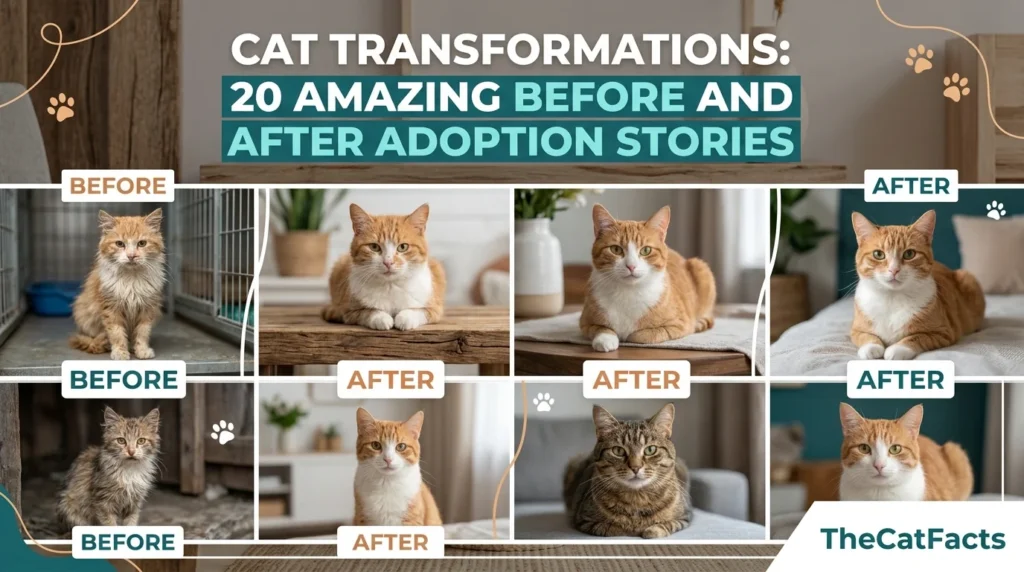
Few things are more inspiring than seeing a neglected, frightened, or sick cat transform into a healthy and happy companion. Adoption changes lives, not only for cats but also for the people who welcome them into their homes.
Many rescue cats arrive at shelters suffering from malnutrition, illness, stress, injury, or emotional trauma. With proper veterinary care, good nutrition, patience, and love, these cats often undergo remarkable physical and emotional transformations.
This collection of heart-melting before and after adoption stories highlights the incredible resilience of cats and demonstrates why adoption remains one of the most rewarding ways to add a feline companion to your family.
Whether you are considering adopting a cat or simply love heartwarming rescue stories, these transformations showcase the life-changing power of compassion.
Understanding why cats sit like a loaf position can reveal clues about comfort, relaxation, and feline body language.
Why Do Rescue Cats Change So Dramatically After Adoption?
Most adopted cats improve dramatically because their basic physical and emotional needs are finally met.
A rescued cat often experiences positive changes after receiving:
- Regular meals
- Veterinary treatment
- Parasite control
- Vaccinations
- Safe shelter
- Emotional security
- Social interaction
- Proper grooming
- Mental enrichment
Once stress levels decrease and health improves, a cat’s body can begin recovering. Fur becomes shinier, eyes become brighter, and behavior often becomes more confident and affectionate.
The Science Behind Cat Transformations
Stress affects nearly every body system in cats.
Long-term stress may contribute to:
| Effect of Chronic Stress | Possible Result |
| Reduced appetite | Weight loss |
| Weak immune system | Increased illness |
| Poor grooming | Matted coat |
| Anxiety | Hiding behavior |
| Sleep disruption | Fatigue |
| Digestive issues | Poor nutrient absorption |
After adoption, many cats experience a dramatic improvement because these stressors are removed.
20 Heart-Melting Cat Adoption Transformations
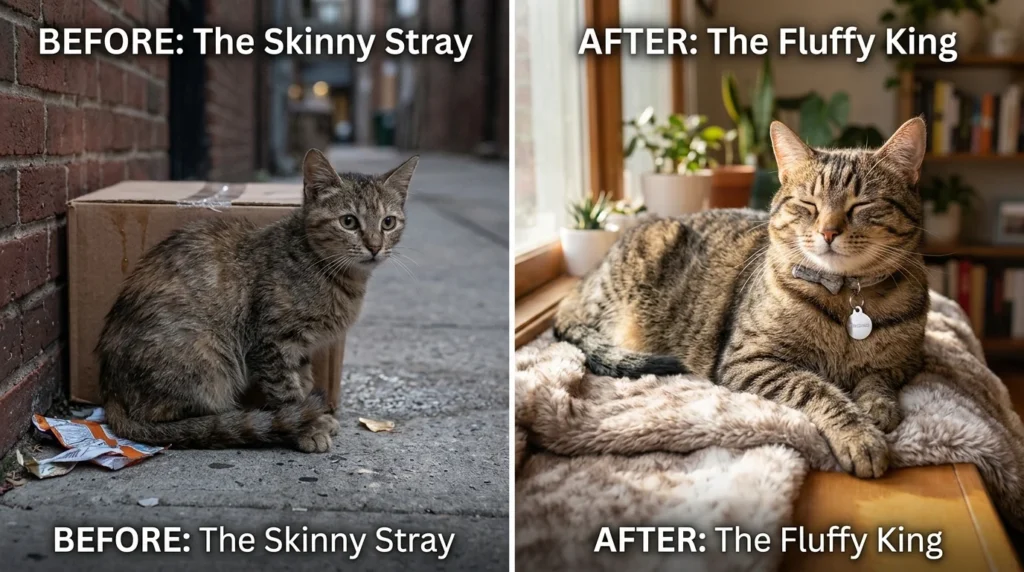
1. The Skinny Stray Who Became a Fluffy King
Before adoption, this cat wandered the streets searching for scraps. His ribs were visible, and his fur appeared dull.
After several months of proper nutrition and veterinary care, he gained healthy weight and developed a luxurious coat that made him almost unrecognisable.
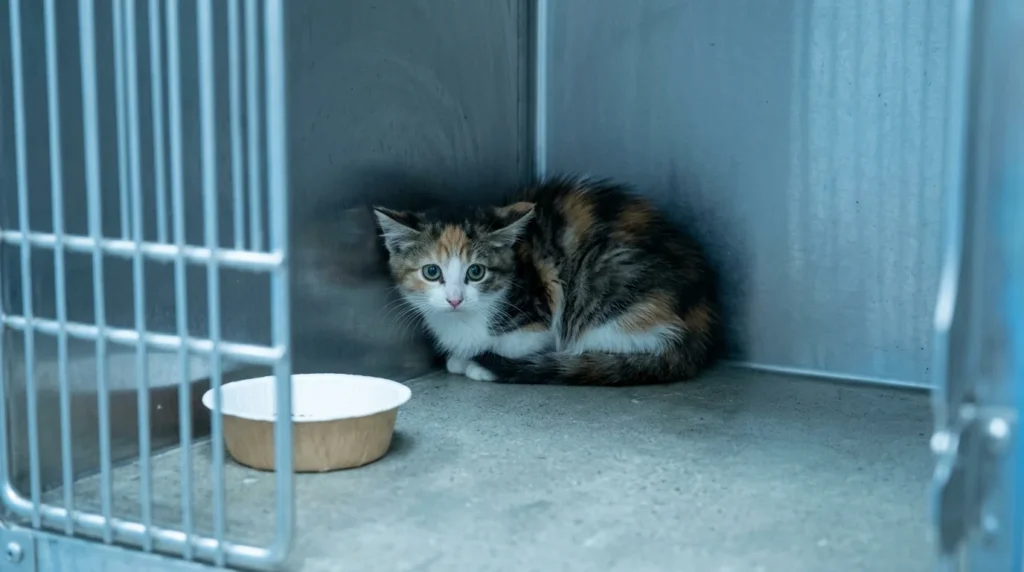
2. The Scared Shelter Kitten Who Learned to Trust
This tiny kitten spent most of her time hiding in the corner of her kennel.
Following adoption, daily interaction, gentle handling, and a calm environment helped her become playful, curious, and affectionate.
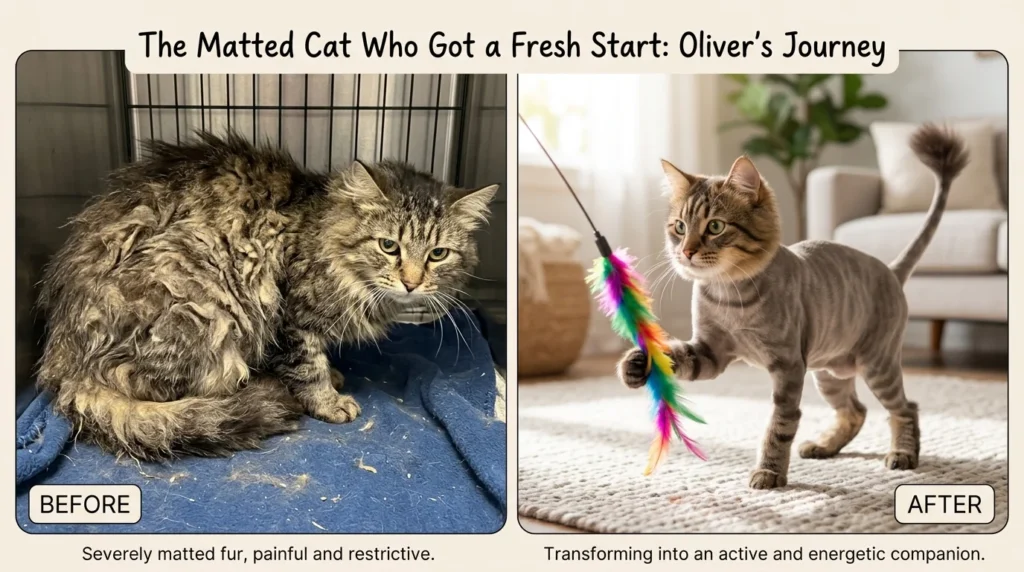
3. The Matted Cat Who Got a Fresh Start
Severely matted fur can be painful and restrict movement.
After grooming treatment and consistent coat care, this cat transformed from uncomfortable and withdrawn to active and energetic.
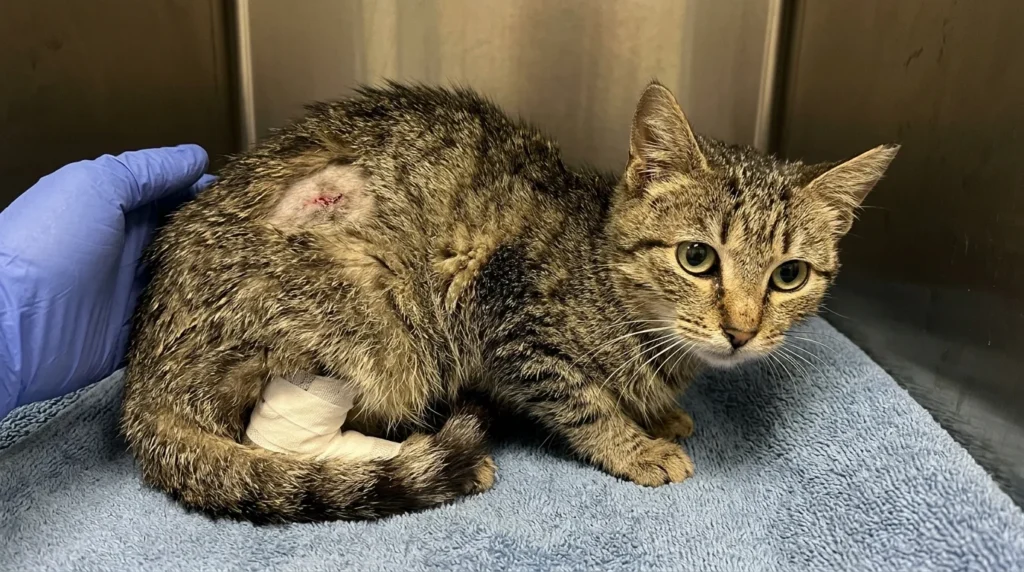
4. The Injured Rescue Who Made a Full Recovery
A rescue cat found with injuries often requires extensive veterinary treatment.
Months later, many of these cats recover physically and emotionally, proving how resilient felines can be.
5. The Senior Cat Who Found a Forever Home
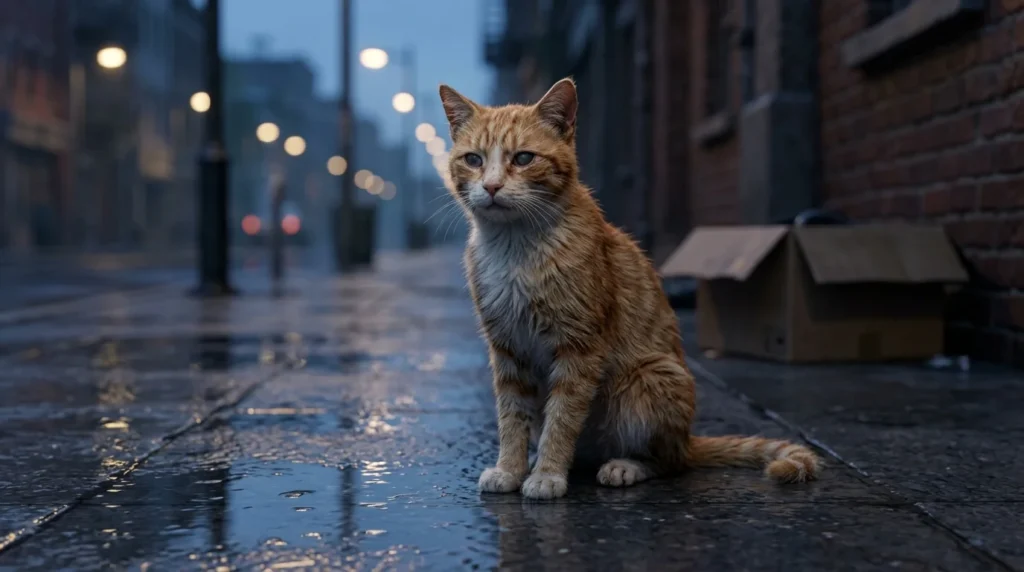
Older cats are frequently overlooked in shelters.
After adoption, senior cats often thrive in quiet homes where they receive individualised attention and medical support.
6. The Underweight Kitten Who Blossomed
Kittens require adequate calories for healthy growth.
With proper nutrition and regular veterinary checkups, this once fragile kitten developed into a strong and healthy adult cat.
7. The Fearful Feral Cat Who Became a Lap Cat
Not all feral or semi-feral cats remain fearful forever.
Some gradually learn to trust humans through patience, positive experiences, and consistent care.
8. The Cat With Eye Infections Who Found Comfort
Eye infections can make cats appear tired and uncomfortable.
Following treatment, these cats often regain a bright, alert appearance.
9. The Neglected Cat Who Rediscovered Play
Cats deprived of stimulation may appear withdrawn.
After adoption, toys, climbing structures, and interaction often reveal their playful personalities.
10. The Shelter Cat Who Finally Relaxed
Shelter environments can be stressful.
Many cats show dramatic improvements in body language after moving into a stable home environment.
11. The Hairless Recovery Story
Some rescued cats suffer severe fur loss due to parasites, allergies, or illness.
Proper diagnosis and treatment frequently allow healthy fur regrowth.
12. The Cat Who Overcame Malnutrition
Poor nutrition affects skin, muscles, and overall health.
Balanced diets rich in quality protein help many rescued cats recover remarkably.
13. The Timid Cat Who Became Social
Shy cats often require extra time to adjust.
Gradual introductions and positive reinforcement can lead to significant behavioral improvement.
14. The Street Survivor Who Learned Indoor Life
Many former street cats initially struggle with indoor living.
With patience and enrichment, they often adapt successfully and enjoy greater safety.
15. The Abandoned Kitten Who Thrived
Bottle-fed orphan kittens require intensive care.
Many grow into affectionate adults when provided proper nutrition and socialization.
16. The Cat Who Overcame Parasite Infestations
Fleas, ticks, and intestinal worms can severely affect health.
Veterinary treatment frequently leads to dramatic physical transformation.
17. The Cat With Dental Pain Who Found Relief
Untreated dental disease can cause chronic discomfort.
After dental treatment, cats often eat better, groom more effectively, and appear happier.
18. The Nervous Multi-Cat Rescue
Some rescued cats come from overcrowded situations.
Individual care and reduced competition can significantly improve their well-being.
19. The Overlooked Black Cat Who Found Love
Black cats are sometimes adopted less frequently than other cats.
Many become beloved family members and demonstrate extraordinary affection and loyalty.
20. The Once-Hopeless Rescue Who Became Family
Perhaps the most touching transformations involve cats given a second chance after difficult circumstances.
Their recovery often reflects the dedication of rescuers, veterinarians, foster families, and adopters.
Common Physical Changes Seen After Cat Adoption
Most rescued cats experience several visible improvements.
Weight Gain and Better Body Condition
Healthy weight restoration is one of the first noticeable changes.
Veterinarians commonly monitor:
- Body condition score
- Muscle mass
- Hydration status
- Appetite
- Growth in kittens
Improved Coat Quality
A healthy coat usually indicates improved overall health.
Signs of improvement include:
- Shinier fur
- Reduced shedding
- Fewer mats
- Better grooming habits
- Fuller coat density
Beginners can build confidence with Scottish Fold cat care tips for beginners covering essential daily routines.
Brighter Eyes
Healthy eyes generally appear:
- Clear
- Bright
- Free from discharge
- Comfortable
- Alert
Emotional Transformations After Adoption
Behavioral changes can be just as dramatic as physical improvements.
Increased Confidence
Many adopted cats become more comfortable exploring their surroundings.
Signs include:
- Walking with tail held high
- Exploring new rooms
- Approaching people voluntarily
- Using scratching posts
Stronger Human Bonds
As trust develops, cats may:
- Sit near owners
- Seek petting
- Follow family members
- Sleep beside people
- Purr more frequently
Reduced Anxiety
A stable routine helps many rescue cats feel safe.
Consistent feeding times, quiet spaces, and predictable interactions reduce stress.
Timeline of a Typical Rescue Cat Transformation
Every cat is different, but many follow a similar adjustment timeline.
| Time After Adoption | Common Changes |
| First 24 Hours | Hiding, observing environment |
| First Week | Beginning to eat normally |
| 2 to 4 Weeks | Increased confidence |
| 1 to 3 Months | Weight gain and improved coat |
| 3 to 6 Months | Strong human bonding |
| 6 to 12 Months | Full personality emerges |
What Helps Rescue Cats Thrive?
The most successful transformations occur when adopters provide comprehensive care.
Veterinary Care
A newly adopted cat should receive:
- Physical examination
- Vaccinations
- Parasite screening
- Dental evaluation
- Weight assessment
- Microchip verification
Proper Nutrition
A balanced feline diet should include:
| Nutritional Need | Importance |
| Animal protein | Muscle maintenance |
| Taurine | Heart and eye health |
| Essential fatty acids | Skin and coat health |
| Water | Hydration |
| Vitamins and minerals | Overall wellness |
Mental Enrichment
Cats benefit from:
- Interactive toys
- Puzzle feeders
- Window perches
- Cat trees
- Scratching posts
- Play sessions
Common Challenges During the Adjustment Period
Not every adoption transition is immediate.
Hiding
Many newly adopted cats hide initially. This behavior is normal and often temporary.
Appetite Changes
Stress can temporarily reduce appetite.
Consult a veterinarian if a cat refuses food for an extended period.
Litter Box Problems
Environmental changes may contribute to temporary litter box issues.
Providing clean boxes in quiet locations often helps.
Myths vs Facts About Rescue Cat Transformations
| Myth | Fact |
| Rescue cats never recover emotionally | Most adapt very well with time |
| Older cats cannot change | Senior cats often thrive after adoption |
| Shy cats stay shy forever | Many become affectionate companions |
| Mixed-breed cats are less healthy | Health depends on many factors |
| Shelter cats are damaged | Most simply need care and stability |
Signs a Rescue Cat Is Settling Into Its New Home
Many adopters wonder when their cat finally feels comfortable.
Common signs include:
- Eating normally
- Playing regularly
- Grooming themselves
- Seeking attention
- Sleeping openly
- Using the litter box consistently
- Exploring confidently
Expert Veterinary Advice for New Cat Adopters
Veterinarians recommend focusing on patience during the first few weeks.
Important tips include:
- Give the cat a safe room initially.
- Avoid forcing interactions.
- Schedule a veterinary examination promptly.
- Maintain a predictable routine.
- Offer high-quality nutrition.
- Monitor eating and drinking habits.
- Use positive reinforcement.
- Allow the cat to adjust at its own pace.
How Adoption Changes Human Lives Too
The transformation is not limited to the cat.
Many adopters report:
- Reduced stress
- Greater companionship
- Increased happiness
- Emotional fulfillment
- Strong family bonds
The connection formed through rescuing a cat can become one of the most rewarding relationships a person experiences.
Conclusion
The most heart-melting cat transformations are powerful reminders of how resilient cats can be when given proper care, safety, and love. Whether a cat arrives underweight, frightened, neglected, or ill, many go on to become healthy, confident, and affectionate companions.
These before and after adoption stories highlight the importance of animal rescue, responsible pet ownership, and veterinary care. Every adopted cat has the potential for an incredible transformation, and every adoption creates the opportunity for a new beginning.
FAQs
How long does it take for an adopted cat to adjust to a new home?
Many cats begin adjusting within a few days, but complete emotional adaptation can take weeks or months. Some cats settle quickly, while shy or previously traumatized cats may require additional patience and support before feeling completely comfortable.
Why do rescue cats often look so different after adoption?
Rescue cats frequently improve because they receive proper nutrition, medical treatment, parasite control, grooming, and a stress-free environment. These factors contribute to healthier coats, better body condition, and improved overall well-being.
Can older shelter cats experience major transformations?
Yes. Senior cats often show remarkable improvements after adoption. Better nutrition, veterinary care, pain management, and a stable environment can significantly enhance their quality of life and appearance.
Do shy cats eventually become affectionate?
Many shy cats become affectionate over time. Trust develops gradually through positive interactions, consistent routines, and patience. Each cat progresses at its own pace.
What is the 3-3-3 rule for adopted cats?
The 3-3-3 guideline suggests that many cats need about 3 days to decompress, 3 weeks to learn household routines, and 3 months to fully settle into their new environment and reveal their true personality.
What health improvements are commonly seen after adoption?
Common improvements include healthy weight gain, better coat condition, brighter eyes, increased energy levels, stronger immune function, and reduced signs of stress or anxiety.
Why do newly adopted cats hide?
Hiding is a natural coping behavior. New surroundings can feel overwhelming, and hiding allows cats to observe their environment while feeling secure. Most cats gradually become more confident.
How soon should a newly adopted cat visit a veterinarian?
Ideally, a newly adopted cat should receive a veterinary examination within the first few days after adoption. Early evaluation helps identify health concerns and establish preventive care.
Are rescue cats grateful to their adopters?
Cats do not express gratitude in human terms, but many demonstrate trust, affection, companionship, and strong bonds with the people who provide care and security.
What helps rescue cats recover emotionally?
Consistent routines, gentle handling, enrichment activities, safe hiding places, positive reinforcement, and patience all help cats develop confidence and emotional security.

Isabella Morgan is a Veterinary Content Researcher with more than 12 years of experience researching companion animal health, preventive veterinary care, pet nutrition, and animal welfare. She specializes in translating complex veterinary information into clear, accurate, and reader friendly content that helps pet owners make informed decisions about the health and well being of their animals.