

Many cat owners enjoy sharing a bed with their feline companion. A warm, purring cat can be comforting and may even help reduce stress before sleep. However, sleeping with your cat is not the right choice for everyone.
Whether your cat should sleep with you depends on your health, your cat’s behavior, your sleeping habits, and household safety considerations. For most healthy adults with well-cared-for indoor cats, bed sharing is generally safe. However, people with allergies, weakened immune systems, sleep disorders, or very young children may need to reconsider.
This guide covers the benefits, risks, veterinary considerations, safety concerns, and practical tips to help you decide what is best for both you and your cat.
Understanding why cats have whiskers reveals how these sensitive facial hairs support everyday feline awareness.
Quick Answer: Should My Cat Sleep With Me?
Yes, many cats can safely sleep with their owners, and it may strengthen the human-animal bond. However, it is not ideal for everyone. Factors such as allergies, sleep quality, cat behavior, health conditions, and hygiene should all be considered before allowing a cat to share your bed.
Why Do Cats Want to Sleep With Their Owners?
Cats often sleep with people because they feel safe, warm, and emotionally connected.
In the wild, cats seek secure sleeping locations to avoid danger. Your bed provides warmth, comfort, and protection. Many cats also develop strong attachments to their owners and choose to sleep nearby because they enjoy the companionship.
Cats See You as Part of Their Social Group
Although cats are often viewed as independent, they can form deep bonds with humans.
Signs your cat trusts you include:
- Sleeping against your body
- Purring while resting near you
- Following you around the house
- Slow blinking
- Grooming you
- Choosing your bed over other sleeping spots
Warmth Is Highly Attractive to Cats
Cats naturally seek warm sleeping areas.
Your body heat makes the bed one of the warmest places in the house, especially during colder months.
Your Bed Feels Safe
Cats are vulnerable when sleeping.
By resting beside a trusted owner, many cats feel protected and relaxed enough to enter deeper sleep cycles.
Benefits of Letting Your Cat Sleep With You
For many households, co-sleeping can offer benefits for both cats and owners.
Strengthens the Human-Cat Bond
Sleeping together can reinforce trust and companionship.
Many owners report feeling more connected to their cats after establishing a nighttime routine.
Provides Comfort and Emotional Support
The rhythmic sound of purring can be calming.
Research has shown that interacting with pets may help reduce stress and improve emotional well-being.
May Help Some People Relax
Many people find a sleeping cat soothing.
The presence of a trusted pet may help create feelings of security and comfort before bedtime.
Helps Cats Feel Secure
Cats that are anxious, newly adopted, or adjusting to a new environment may gain confidence from sleeping near their owners.
Encourages Routine
Cats thrive on predictable schedules.
Sharing a consistent bedtime routine may help some cats settle more easily at night.
Potential Risks of Sleeping With Your Cat
While many benefits exist, there are also important drawbacks.
Sleep Disruption
Sleep interruption is one of the most common complaints.
Cats are naturally crepuscular, meaning they are most active around dawn and dusk.
Your cat may:
- Walk across your face
- Meow early in the morning
- Jump on and off the bed
- Play with blankets
- Chase imaginary prey at night
- Demand food before sunrise
Allergies Can Worsen

People with cat allergies often experience more symptoms when a cat sleeps in the bed.
Common symptoms include:
- Sneezing
- Nasal congestion
- Itchy eyes
- Skin irritation
- Asthma flare-ups
Exposure to Parasites
Cats can occasionally carry parasites that may contaminate bedding.
Examples include:
| Parasite | Possible Risk |
| Fleas | Skin irritation |
| Ticks | Disease transmission |
| Roundworms | Environmental contamination |
| Hookworms | Rare human infection |
| Mites | Skin irritation |
Routine veterinary care greatly reduces these risks.
Understanding how to clean Scottish Fold ears safely makes routine grooming easier and more comfortable for your cat.
Risk of Minor Injuries
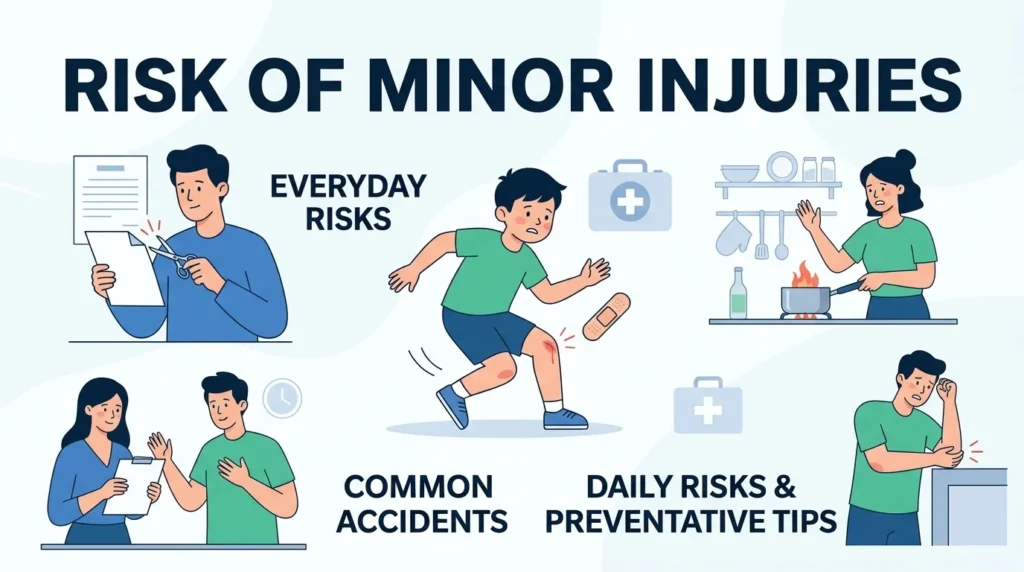
Even friendly cats can accidentally scratch or bite while sleeping.
This is more likely if:
- The cat becomes startled
- The owner moves suddenly
- The cat has pain or arthritis
- Multiple pets compete for bed space
Increased Germ Exposure
Cats can carry bacteria and microorganisms from litter boxes, outdoor environments, or hunting activities.
For healthy adults, the risk is generally low, but certain individuals should exercise caution.
Who Should Avoid Sleeping With Their Cat?
For some people, sleeping separately is the safer option.
People With Severe Allergies
Keeping cats out of the bedroom may significantly reduce symptoms.
Individuals With Asthma
Cat dander can trigger breathing difficulties in sensitive individuals.
Immunocompromised People
Veterinarians and physicians often recommend extra caution for:
- Organ transplant recipients
- Cancer patients undergoing treatment
- People with HIV/AIDS
- Individuals taking immune-suppressing medications
Very Young Infants
Cats should never be allowed to sleep unsupervised with infants.
There is a risk of accidental suffocation or overheating.
People With Serious Sleep Disorders
If your cat frequently disrupts sleep, separate sleeping arrangements may improve overall health and rest quality.
Is It Safe for Kittens to Sleep in Your Bed?
Usually, young kittens should not sleep in an owner’s bed unsupervised.
Small kittens can:
- Become trapped in bedding
- Fall from the bed
- Be accidentally rolled onto
- Get injured while jumping
Safe Alternatives for Kittens
Consider:
- A kitten bed beside your bed
- A secure crate setup
- A heated pet bed (used according to manufacturer guidelines)
- A kitten-safe sleeping enclosure
Many veterinarians recommend waiting until kittens are larger and more coordinated before allowing bed sharing.
Is It Safe for Senior Cats to Sleep With You?
Yes, many senior cats enjoy sleeping with their owners.
Older cats often seek additional warmth and comfort.
However, consider potential issues such as:
- Arthritis
- Mobility limitations
- Vision loss
- Cognitive decline
Helping Senior Cats Access the Bed
Helpful solutions include:
- Pet stairs
- Ramps
- Lower bed frames
- Soft orthopedic bedding
Indoor Cats vs Outdoor Cats
Indoor cats generally present fewer health concerns for bed sharing.
| Factor | Indoor Cat | Outdoor Cat |
| Parasite exposure | Lower | Higher |
| Wildlife contact | Rare | Common |
| Dirt exposure | Lower | Higher |
| Disease exposure | Lower | Higher |
| Bed-sharing safety | Usually better | Requires more caution |
If your cat spends time outdoors, regular veterinary examinations become even more important.
Veterinary Health Considerations
A healthy cat is a safer sleeping companion.
Keep Preventive Care Up to Date
Important preventive measures include:
- Annual wellness exams
- Vaccinations
- Flea prevention
- Tick prevention
- Deworming
- Dental care
Monitor for Signs of Illness
Avoid bed sharing if your cat has:
- Diarrhea
- Vomiting
- Open wounds
- Skin infections
- Contagious conditions
- Unexplained behavioral changes
Consult your veterinarian if you have concerns.
How to Make Sleeping With Your Cat More Hygienic
Good hygiene helps reduce potential health risks.
Wash Bedding Regularly
Wash sheets, blankets, and pillowcases frequently to remove:
- Dander
- Hair
- Dirt
- Allergens
Maintain Litter Box Cleanliness
A clean litter box reduces contamination risks.
Recommended practices:
- Scoop daily
- Change litter regularly
- Wash the litter box routinely
Groom Your Cat
Regular grooming can reduce:
- Loose hair
- Dander buildup
- Matting
- Dirt accumulation
Keep Parasite Prevention Current
Year-round parasite prevention is one of the most effective ways to reduce risks associated with bed sharing.
Where Should Your Cat Sleep in the Bed?
The safest location is usually near your feet or beside you rather than directly on your face or pillow.
Better Sleeping Locations
- At the foot of the bed
- Beside your legs
- On a designated blanket
- In a cat bed placed next to your bed
Locations to Avoid
- Directly on your face
- Covering your nose or mouth
- Near infants
- Near people with respiratory conditions
Signs Your Cat Enjoys Sleeping With You
Cats often show clear signs when they enjoy nighttime companionship.
Look for:
- Returning nightly
- Kneading blankets before sleeping
- Purring while settling down
- Sleeping in relaxed positions
- Slow blinking before resting
- Remaining nearby through the night
These behaviors generally indicate comfort and trust.
Signs Sleeping Together May Not Be Working
Not every cat enjoys sharing a bed.
Warning signs include:
- Aggression
- Excessive nighttime activity
- Frequent biting or scratching
- Constant sleep disruption
- Stress behaviors
- Inappropriate urination
If these issues occur, separate sleeping arrangements may be beneficial.
How to Train a Cat Not to Sleep in Your Bed
If you decide not to share your bed, consistency is important.
Step 1: Create an Appealing Alternative
Provide:
- Soft bedding
- Warm blankets
- Elevated sleeping spots
- Quiet locations
Step 2: Reward Desired Behavior
Praise and reward your cat when it chooses its designated sleeping area.
Step 3: Establish a Bedtime Routine
A predictable routine helps cats understand expectations.
Include:
- Evening play sessions
- Feeding before bedtime
- Quiet relaxation time
Step 4: Stay Consistent
Avoid allowing your cat into the bed some nights but not others.
Mixed signals can confuse cats and slow training progress.
Common Myths About Cats Sleeping With Humans
Myth: Cats Steal Babies’ Breath
This is a long-standing myth.
Cats do not intentionally steal a baby’s breath. However, cats should not sleep unsupervised with infants due to safety concerns.
Myth: Sleeping With Cats Is Always Unsafe
For healthy adults and healthy cats, bed sharing is often safe when proper hygiene and veterinary care are maintained.
Myth: Cats Only Sleep With People for Warmth
Warmth is one reason, but affection, trust, routine, and security also play important roles.
Myth: Independent Cats Do Not Form Attachments
Research and owner experience show that cats can develop strong emotional bonds with humans.
Expert Veterinary Advice
Most veterinarians agree that sleeping with a cat is a personal choice rather than a medical necessity.
Bed sharing is generally appropriate when:
- The cat is healthy
- Parasite prevention is current
- The owner has no significant allergy concerns
- Sleep quality remains unaffected
- Household safety risks are minimal
Discuss concerns with both your veterinarian and healthcare provider if special health conditions exist.
Pros and Cons of Sleeping With Your Cat
| Pros | Cons |
| Strengthens bonding | Sleep disruption |
| Provides comfort | Allergy flare-ups |
| Reduces feelings of loneliness | Increased exposure to dander |
| Helps some people relax | Potential scratches |
| Creates routine | Parasite concerns if prevention is lacking |
| Gives cats security | Not ideal for infants or immunocompromised people |
Practical Checklist Before Letting Your Cat Sleep With You
Use this checklist:
- Cat receives regular veterinary care
- Vaccinations are current
- Flea prevention is active
- Deworming schedule is followed
- Cat is healthy
- Owner has no severe allergies
- Sleep quality remains good
- Bed area is safe
- No infants share the sleeping space
- Cat has alternative sleeping locations available
Conclusion
Allowing your cat to sleep with you can be a rewarding experience that strengthens your bond and provides comfort for both of you. For most healthy adults with healthy, well-cared-for cats, sleeping together is generally safe and enjoyable.
However, it is important to consider allergies, sleep quality, hygiene, age-related concerns, and individual health conditions. The best sleeping arrangement is one that keeps both you and your cat comfortable, healthy, and safe. If bed sharing causes stress, sleep disruption, or health concerns, providing your cat with a cozy sleeping area nearby can be an excellent alternative.
FAQs
Can cats sleep with their owners every night?
Yes. Many cats sleep with their owners every night without problems. As long as the cat is healthy, receives regular veterinary care, and does not interfere with sleep quality, nightly bed sharing is generally acceptable for healthy adults.
Do cats sleep with people because they love them?
Cats often sleep with people they trust and feel attached to. While warmth and comfort are factors, choosing to sleep near a person can also indicate affection, security, and a strong social bond.
Is it unhealthy to let my cat sleep on my pillow?
Sleeping on a pillow is not necessarily unhealthy, but it may increase exposure to dander, hair, and allergens. It can also interfere with sleep if the cat moves frequently during the night.
Can sleeping with a cat cause allergies?
Yes. Cat dander, saliva proteins, and shed hair can trigger allergy symptoms in sensitive individuals. Keeping cats out of the bedroom may help reduce symptoms in people with moderate to severe allergies.
Should kittens sleep in bed with humans?
Very young kittens should not sleep in an adult bed unsupervised. They can become trapped in bedding, fall, or be accidentally injured. A separate sleeping area is usually safer until they are older.
Why does my cat sleep on my chest?
Cats often sleep on their owner’s chest because it provides warmth, security, and access to familiar sounds such as breathing and heartbeat. Many cats find this position comforting.
Can indoor cats safely sleep with their owners?
Indoor cats generally present fewer health risks than outdoor cats because they have less exposure to parasites, wildlife, and infectious diseases. Regular veterinary care further improves safety.
Should I stop my cat from sleeping with me if I am pregnant?
Most pregnant women can safely sleep with healthy indoor cats. However, good litter box hygiene and parasite prevention are important. Discuss any concerns with your healthcare provider.
What if my cat wakes me up every morning?
Early morning wake-ups are common. Increasing daytime activity, providing evening play sessions, and avoiding feeding immediately after waking can help reduce attention-seeking behaviors.
Do cats sleep with their favorite person?
Often, yes. Cats frequently choose to sleep near the person they trust most, who provides care, attention, comfort, and a sense of security.

Isabella Morgan is a Veterinary Content Researcher with more than 12 years of experience researching companion animal health, preventive veterinary care, pet nutrition, and animal welfare. She specializes in translating complex veterinary information into clear, accurate, and reader friendly content that helps pet owners make informed decisions about the health and well being of their animals.