
Indoor cats have different nutritional needs than outdoor cats. Because they usually exercise less, spend more time resting, and are more prone to weight gain, hairballs, and boredom-related eating, choosing the right food is one of the most important decisions a cat owner can make.
The best cat food for indoor cats should provide high-quality animal protein, moderate calories, healthy fats, digestive support, and essential vitamins and minerals. It should also help maintain a healthy weight while supporting muscle mass, urinary health, and overall wellbeing.
This guide reviews the best cat foods for indoor cats, explains what ingredients matter most, and helps you choose the right diet for your cat’s age, lifestyle, and health needs.
Explore creative possibilities using unique calico cat names with generator examples that suit different personalities and appearances.
Quick Answer: What Is the Best Cat Food for Indoor Cats?
The best cat food for indoor cats is a protein-rich, nutritionally complete diet made primarily from animal ingredients. It should support healthy body weight, digestive health, and muscle maintenance while avoiding excessive calories and unnecessary fillers.
Top choices typically include:
- High-protein wet foods
- Grain-inclusive or grain-free foods with quality ingredients
- Indoor-specific formulas
- Foods containing fiber for hairball control
- Diets with controlled calorie levels
- Foods that support urinary tract health
- Age-appropriate nutrition
Why Indoor Cats Need Specialized Nutrition
Indoor cats generally burn fewer calories than outdoor cats and often have different health challenges.
Lower Activity Levels
Many indoor cats spend most of their day sleeping, grooming, or lounging. Less physical activity means fewer calories are burned, increasing the risk of obesity.
Increased Hairball Risk
Indoor cats frequently groom themselves. This can lead to increased hair ingestion and more hairball formation.
Weight Gain Concerns
Obesity is one of the most common health problems seen in indoor cats. Excess weight increases the risk of:
- Diabetes
- Arthritis
- Heart disease
- Urinary tract problems
- Reduced lifespan
Urinary Health Challenges
Indoor cats may drink less water than they should. This can contribute to concentrated urine and urinary tract issues.
What to Look for in the Best Indoor Cat Food
The ideal indoor cat food should provide balanced nutrition while addressing common indoor lifestyle concerns.
High Animal Protein
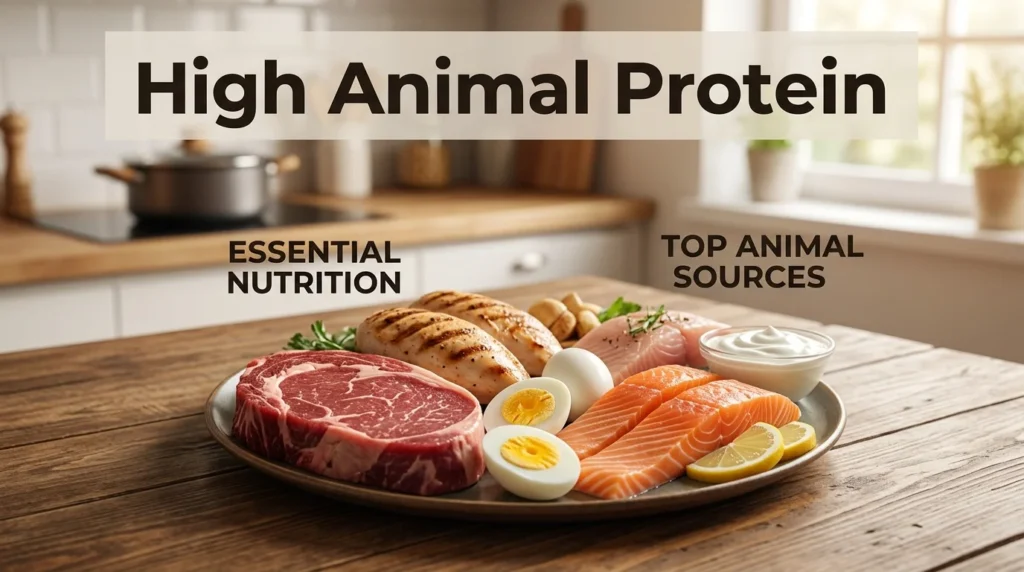
Cats are obligate carnivores. Their bodies are designed to obtain nutrients primarily from animal sources.
Look for foods with:
- Chicken
- Turkey
- Rabbit
- Duck
- Beef
- Salmon
- Whitefish
The first ingredient should ideally be a named animal protein.
Moderate Calorie Content
Indoor cats generally require fewer calories than active outdoor cats.
Calorie control helps prevent:
- Obesity
- Excessive fat accumulation
- Metabolic disorders
Healthy Fiber Content
Moderate fiber can help:
- Reduce hairballs
- Improve digestion
- Promote satiety
- Support healthy stools
Common fiber sources include:
- Pumpkin
- Beet pulp
- Psyllium husk
- Cellulose
- Chicory root
Find creative inspiration through cat transformations before and after examples that showcase remarkable feline changes.
Adequate Moisture

Wet food naturally contains much more water than dry kibble.
Benefits include:
- Better hydration
- Urinary tract support
- Improved kidney health
- Greater fullness after meals
Essential Nutrients
Indoor cat food should contain:
| Nutrient | Why It Matters |
| Taurine | Heart and eye health |
| Omega-3 fatty acids | Skin and coat support |
| Vitamin A | Vision and immunity |
| Vitamin E | Antioxidant protection |
| Calcium | Bone health |
| Phosphorus | Metabolic functions |
| Zinc | Skin and immune health |
7 Best Cat Foods for Indoor Cats
1. High-Protein Wet Food Formula
A moisture-rich wet food with animal protein as the primary ingredient is often considered the gold standard for indoor cats.
Benefits
- High moisture content
- Excellent protein levels
- Supports urinary health
- Helps manage weight
Best For
- Most adult indoor cats
- Cats prone to urinary issues
- Overweight cats
2. Indoor Formula Chicken Recipe
Indoor-specific formulas are designed with controlled calories and added fiber.
Benefits
- Weight management support
- Hairball control
- Balanced nutrition
Best For
- Sedentary cats
- Apartment cats
- Cats with mild weight concerns
3. Limited Ingredient Cat Food
Limited ingredient diets contain fewer components and may help sensitive cats.
Benefits
- Easier digestion
- Reduced food sensitivities
- Simpler ingredient lists
Best For
- Cats with digestive issues
- Food-sensitive cats
4. Grain-Inclusive Premium Cat Food
Contrary to popular belief, many cats tolerate grains very well.
Benefits
- Affordable
- Balanced nutrition
- Good energy source
Best For
- Healthy adult indoor cats
- Budget-conscious owners
5. Grain-Free High-Meat Formula
These diets focus heavily on animal proteins.
Benefits
- High protein content
- Lower carbohydrate levels
- Excellent palatability
Best For
- Active indoor cats
- Cats that prefer meat-rich diets
6. Hairball Control Formula
Hairball-specific foods contain targeted fiber blends.
Benefits
- Supports hair passage
- Improves digestion
- Reduces vomiting from hairballs
Best For
- Long-haired cats
- Heavy groomers
7. Senior Indoor Cat Formula
Older cats have unique nutritional needs.
Benefits
- Joint support nutrients
- Controlled phosphorus
- Highly digestible proteins
Best For
- Cats over 7 years old
- Less active senior cats
Wet Food vs Dry Food for Indoor Cats
Wet food is generally preferred because it provides more hydration and often contains fewer carbohydrates.
| Feature | Wet Food | Dry Food |
| Moisture | Very high | Low |
| Hydration Support | Excellent | Limited |
| Calories | Often lower per serving | Often higher |
| Storage | Shorter after opening | Longer shelf life |
| Cost | Higher | Lower |
| Urinary Support | Better | Less effective |
Which Is Better?
For many indoor cats, a combination of wet and dry food provides a practical balance of hydration, nutrition, and convenience.
Best Food Based on Life Stage
Cats have different nutritional needs throughout life.
| Life Stage | Recommended Focus |
| Kitten | High calories and protein |
| Adult | Weight maintenance |
| Senior | Joint and kidney support |
| Pregnant Cat | Increased calories and protein |
| Nursing Cat | Energy-dense nutrition |
Get practical guidance from Scottish Fold cat care tips for beginners before bringing home your new companion.
Ingredients to Avoid
Not every cat food is created equal.
Be cautious of foods containing excessive amounts of:
- Artificial preservatives
- Artificial colors
- Excessive sugar
- Large amounts of unnamed meat by-products
- Low-quality fillers
- Excessive carbohydrate content
Understanding By-Products
Not all by-products are harmful. Some organ meats provide valuable nutrients. The key is choosing reputable manufacturers that maintain quality standards.
Feeding Guidelines for Indoor Cats
Portion control is just as important as food quality.
General Feeding Recommendations
| Cat Weight | Approximate Daily Calories |
| 8 lbs (3.6 kg) | 180 to 220 |
| 10 lbs (4.5 kg) | 200 to 250 |
| 12 lbs (5.4 kg) | 240 to 300 |
| 15 lbs (6.8 kg) | 280 to 350 |
Individual needs vary based on age, activity level, and health status.
Avoid Free Feeding
Leaving food available all day can encourage overeating.
Instead:
- Measure meals
- Feed on a schedule
- Monitor body condition regularly
Signs Your Indoor Cat May Need a Diet Change
Certain symptoms may indicate that a food is not meeting your cat’s needs.
Watch for:
- Weight gain
- Weight loss
- Frequent hairballs
- Dull coat
- Excessive shedding
- Digestive upset
- Chronic diarrhea
- Constipation
- Increased hunger
- Reduced appetite
Consult a veterinarian if symptoms persist.
Common Nutrition Mistakes Indoor Cat Owners Make
Feeding Too Many Treats
Treats should generally make up less than 10% of daily calories.
Ignoring Portion Sizes
Even premium food can cause obesity if overfed.
Choosing Food Based Only on Marketing
Terms such as “natural” or “premium” do not automatically indicate superior nutrition.
Not Providing Enough Water
Fresh water should always be available.
Consider:
- Cat fountains
- Multiple water bowls
- Wet food meals
Veterinary Advice for Indoor Cat Nutrition
Veterinarians generally recommend focusing on overall nutritional quality rather than marketing claims.
Key priorities include:
- Maintaining a healthy body condition score.
- Feeding complete and balanced diets.
- Monitoring weight regularly.
- Encouraging hydration.
- Scheduling routine veterinary exams.
Cats with medical conditions may require prescription diets tailored to specific health needs.
Indoor Cat Food Comparison Table
| Food Type | Protein Level | Moisture | Weight Control | Hairball Support |
| Wet Food | High | Excellent | Good | Moderate |
| Dry Indoor Formula | Moderate | Low | Good | Good |
| Hairball Formula | Moderate | Varies | Moderate | Excellent |
| Limited Ingredient Diet | Moderate to High | Varies | Moderate | Moderate |
| Senior Formula | Moderate | Varies | Good | Moderate |
Expert Tips for Feeding Indoor Cats
Rotate Textures Carefully
Many cats enjoy a mix of wet and dry food. Gradual transitions help prevent digestive upset.
Monitor Body Condition
You should be able to feel your cat’s ribs without seeing them prominently.
Encourage Activity
Nutrition works best when combined with exercise.
Try:
- Interactive toys
- Puzzle feeders
- Climbing trees
- Daily play sessions
Weigh Your Cat Monthly
Regular weight checks help identify problems early.
Indoor Cat Nutrition Myths vs Facts
| Myth | Fact |
| Indoor cats need very little protein. | Cats require high-quality animal protein throughout life. |
| Grain-free always means healthier. | Grain-free is not automatically superior for every cat. |
| Dry food cleans teeth completely. | Dry food offers limited dental benefits. |
| Fat cats are healthy cats. | Obesity significantly increases disease risk. |
| All cat foods are nutritionally equal. | Ingredient quality and formulation vary widely. |
Conclusion
Choosing the best cat food for indoor cats involves more than picking a bag labeled “indoor formula.” The ideal diet should provide high-quality animal protein, controlled calories, adequate moisture, and nutrients that support weight management, digestion, urinary health, and overall wellness.
Wet food often provides the greatest health benefits because of its high moisture content, but many indoor cats thrive on a carefully balanced combination of wet and dry foods. Regular weight monitoring, portion control, and routine veterinary care are equally important for keeping indoor cats healthy throughout life.
By selecting a nutritionally complete diet and adjusting feeding practices to your cat’s age, activity level, and health status, you can help your indoor companion enjoy a longer, healthier, and happier life.
FAQs
What food is best for indoor cats?
The best food for indoor cats is a complete and balanced diet rich in animal protein with moderate calories and adequate moisture. Wet foods are often preferred because they support hydration and urinary health while helping with weight management.
Is wet food better than dry food for indoor cats?
Wet food is generally better for hydration and urinary tract health because it contains significantly more moisture. However, many indoor cats do well on a combination of wet and dry food when portions are properly controlled.
Do indoor cats need special indoor cat food?
Not always. Many regular high-quality cat foods meet the needs of indoor cats. However, indoor formulas often contain fewer calories and more fiber to help manage weight and reduce hairballs.
How many times a day should an indoor cat eat?
Most healthy adult indoor cats do well with two to four small meals daily. Meal feeding helps control calorie intake and may reduce boredom-related eating behaviors.
Why do indoor cats gain weight easily?
Indoor cats usually exercise less and burn fewer calories than outdoor cats. Overfeeding, excessive treats, and free-feeding can contribute to weight gain and obesity.
Are grain-free diets necessary for indoor cats?
Most indoor cats do not require grain-free diets. Unless a veterinarian diagnoses a specific food sensitivity, many cats can digest properly formulated grain-inclusive foods without issues.
What ingredients should I look for in indoor cat food?
Look for named animal proteins, taurine, omega fatty acids, vitamins, minerals, and appropriate fiber sources. High-quality protein should ideally appear as the first ingredient.
How can I reduce hairballs in my indoor cat?
Regular brushing, adequate hydration, wet food, and diets containing moderate fiber can help reduce hairball formation. Long-haired cats may benefit from specialized hairball-control formulas.
Can indoor cats eat the same food as outdoor cats?
Yes, but indoor cats often require fewer calories. Foods designed for highly active outdoor cats may contribute to weight gain if fed in excessive amounts.
How do I know if my cat’s food is causing digestive problems?
Signs may include vomiting, diarrhea, constipation, excessive gas, poor appetite, or changes in stool quality. Persistent symptoms should be evaluated by a veterinarian.
What protein is best for indoor cats?
High quality animal proteins such as chicken, turkey, salmon, and rabbit are among the best choices for indoor cats. These proteins provide essential amino acids, especially taurine, which supports heart health, vision, and overall well being.
What is the highest protein food for cats?
Freeze-dried raw cat foods and high meat-content wet foods typically contain the highest levels of protein. Foods made primarily from animal ingredients with minimal fillers generally offer the most protein per serving.
What are the top 5 healthiest cat foods for indoor cats?
Some of the healthiest options for indoor cats include high quality wet foods, grain-free recipes with real meat, limited ingredient diets, balanced raw diets, and veterinarian-approved indoor cat formulas. The best choice depends on your cat’s age, health, and activity level.
What cat food is best for hyperthyroidism?
Cats with hyperthyroidism often benefit from veterinarian-recommended therapeutic diets. In some cases, low-iodine prescription foods may be used as part of treatment. Always consult your veterinarian before changing the diet of a cat with hyperthyroidism.

Amelia Scott is a Cat Breed Specialist with more than 12 years of experience researching feline breeds, cat behavior, breed characteristics, and responsible cat ownership. She specializes in studying the history, temperament, appearance, health considerations, and unique traits of different cat breeds to create accurate and informative resources for cat lovers.
2 thoughts on “7 Best High-Protein Cat Foods for Indoor Cats”